

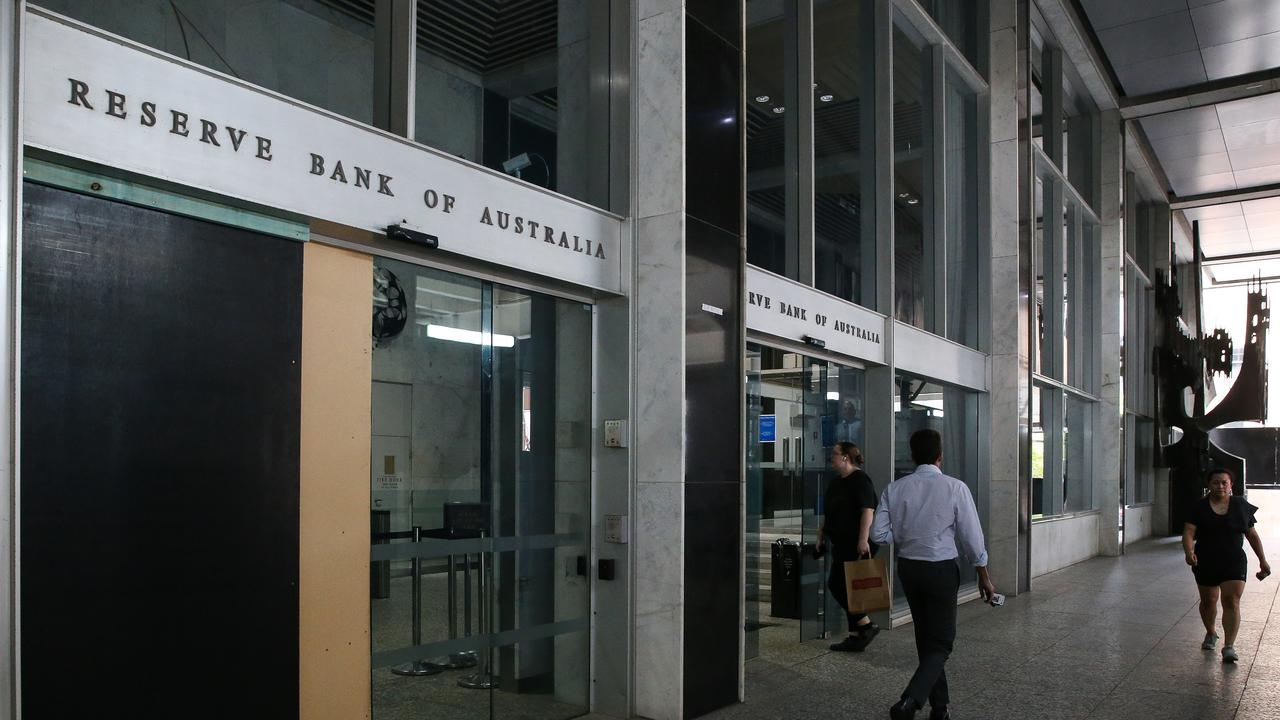
The Reserve Bank has revealed “encouraging signs” of falling inflationary pressures across the economy were behind its decision to grant borrowers a reprieve ahead of the festive season.
At its final board meeting of the year on December 5, the central bank kept rates on hold at 4.35 per cent as it monitored the delayed impact of its 13 previous rate hikes since May 2022.
The RBA is battling to return inflation, which peaked at 7.8 per cent in December 2022 but has fallen to 4.9 per cent on most recent measures, back to its 2 to 3 per cent target band.
The minutes of its December meeting, released on Tuesday morning, showed that while the RBA considered lifting the cash rate to 4.6 per cent, data received ahead of the decision did not radically change the economic outlook.
“Inflation had continued to decline but remained high. Wages growth had reached 4 per cent a little sooner than had been expected but … was unlikely to rise much further. Output growth had continued below trend and the labour market was tight but easing gradually,” the minutes read.
In reaching its decision, the board also noted that the pace of disinflation – a decrease in the rate of inflation – had picked up overseas, potentially easing local price pressures.
“If emulated in Australia, this would be helpful in bringing inflation back to target.”
Board members were also conscious of the risks to the jobs market, noting “there is the possibility of a larger rise in the unemployment rate than anticipated”.
“Members agreed there was sufficient value in waiting for further (economic) data to assess how the balance of risks was evolving and how best to balance these risks when setting policy.
“The case to leave the cash rate target unchanged at this meeting was the stronger one.”
Ahead of the meeting, a reprieve from further tightening was widely expected, with economists almost unanimously forecasting a hold, while money markets were pricing a near zero chance of a hike to 4.6 per cent.
As the RBA has ratcheted up interest rates, mortgagors have witnessed a substantial increase in their repayments, causing households to experience “a painful squeeze on their finances”, the central bank said.
Indeed, borrowers with an average-sized variable rate loan of $585,000 are already paying more than $1500 extra every month than they were before the RBA started its tightening cycle, according to loan comparison website Compare the Market.
Analysts’ attention now turns to whether the RBA has done enough to slow the economy and tame inflation or if fresh inflation data for the December quarter, due in early February, could force a 14th rate hike at the next board decision, scheduled for February 6.
In the meeting minutes, board members also noted any further tightening would be dependent on whether incoming data would “alter the economic outlook and the evolving assessment of risks”.
“In making its decisions, the board will continue to pay close attention to developments in the global economy, trends in domestic demand, and the outlook for inflation and the labour market,” the minutes read.


