

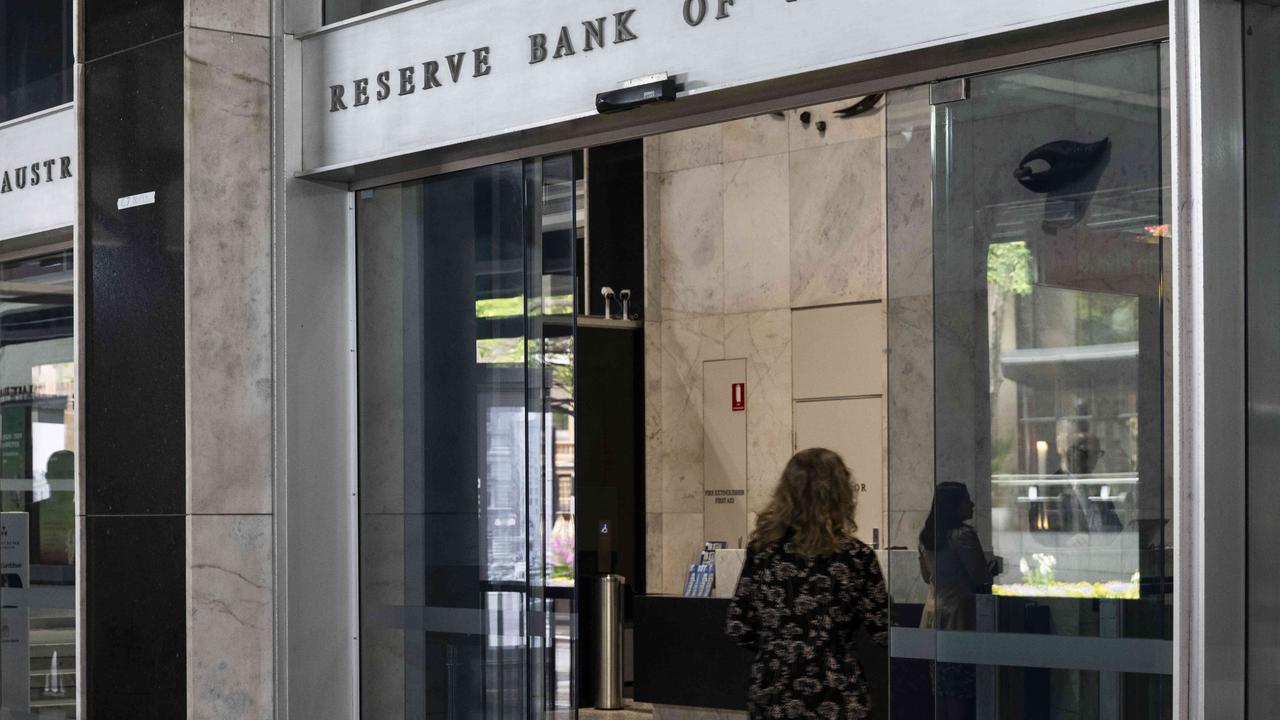
The Reserve Bank has spared borrowers fresh pain, but households crunched under the cost of living risk facing further rate hikes.
In a statement announcing the decision to keep rates on hold at 4.35 per cent, the RBA board said despite recent progress on lowering inflation, it remained high.
Governor Michele Bullock said at a media conference after the announcement that the board was not “ruling anything in or out” – including rate cuts.
“I really understand that the mortgage holders are sweating on this. I do understand that. But the big issue that’s confronting not just mortgage holders, but everyone, is inflation,” she said.
She said the economic data was key to future decisions.
“We have had encouraging news so far, but it’s still got a 4 in front of it.”
In its statement, the board said it expected it would be “some time yet” before inflation is sustainably in the target range.”
Ahead of the decision, the RBA was almost universally expected to keep the cash rate on hold at its first meeting for 2024 following softer-than-expected CPI figures that showed inflation eased to just 4.1 per cent in the year to December.
RBA’s new forecast for inflation
In fresh forecasts simultaneously released by the RBA, the bank’s economists slashed their near-term inflation projections, citing the easing of supply chain blockages and consumers spending less as they are crunched by the soaring cost of living.
To the relief of households, headline inflation is now expected to decline a little quicker than previously thought, easing to just 3.3 per cent by mid-year – a significant reduction from the RBA’s September projection of 3.9 per cent.
However, price pressures for services such as hairdressing, pet grooming and car repairs will be far stickier, which the RBA expects will ease much more gradually than goods.
“Recent high inflation outcomes reflect the still-strong level of demand for services as well as strong growth in domestic costs,” the statement read.
These costs included wages, insurance and administrative costs, the RBA said, which would be subsequently passed through to consumers.
In the second half of 2025, inflation will return to the RBA’s 2 to 3 per cent target band, easing to 2.8 per cent by December, it forecasts.
The RBA’s preferred measure of price growth, trimmed mean inflation – which strips out volatile items such as fuel and groceries – is also expected to ease faster than previously anticipated, slowing to 3.3 per cent in June, down from 3.9 per cent in previous projections.
Even as updated forecasts show the jobs market will remain “robust”, the unemployment rate will rise to 4.4 per cent, up from its current rate of 3.9 per cent.
Meanwhile, pay packets are expected to grow slightly faster in the near-term, rising by 4.1 per cent in first half of 2024, with workers set to enjoy real wages growth over the next couple of years.
But the rate of wages growth will drop away as the jobless rate rises, the RBA expects.
“Wages growth has already begun to moderate in some parts of the private sector and the moderation is expected to deepen and broaden out over the coming year,” the statement said.
Driven by real income growth, household consumption is expected to return to its pre-pandemic levels in the next year or so.
The bank’s forecasts are predicated on the market assumption that the cash rate will remain at its current level until the middle of the year, with two cuts to the cash rate by year’s end.
In its statement, the central bank cautioned of key risks which clouded the economic outlook.
Inflation could fall faster than anticipated, the RBA said, as household consumption remained weak, however, this would likely lead to a weakening in the jobs market.
On the flip side, inflationary pressures could be more stubborn, as a combination of global supply shocks, low productivity and strong demand fuelled price growth.
Tuesday’s cash rate call marks a new era for the RBA, which will now hold eight, two-day board meetings a year, simultaneously release fresh forecasts alongside the decision and hold a post-meeting press conference.
The changes follow an independent review of the RBA that recommended a suite of measures designed to improve the bank’s communications and internal deliberations.
Economy cools ahead of cash rate call
In the last 20 months, the RBA has aggressively tightened monetary policy as it works to cool the economy and tame inflationary pressures that surged during the Covid-19 pandemic on the back of supply chain disruptions, labour shortages and surging aggregate demand.
But under the weight of 13 rate hikes and severe cost-of-living pressures, the economy has sharply deteriorated.
Fresh retail trade data showed consumer spending plunged in December over the usually popular Boxing Day sales, while the jobs market has also loosened, shedding more than 65,000 positions over the same month.
Indebted households have also been harshly affected. Borrowers with an average variable-rate mortgage of $585,000 are spending an additional $1513 on their monthly repayments.
The next board meeting will be held March 18-19.


