
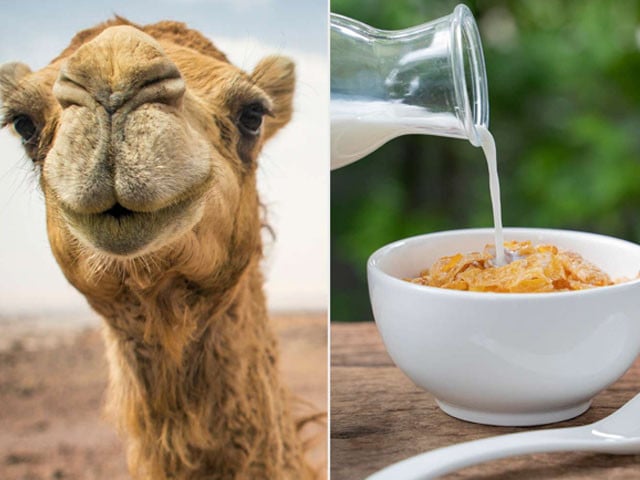
New Australian research suggests camel milk could offer significant health benefits over cow’s milk, highlighting its potential for gut health and hypoallergenic properties.
Researchers from Edith Cowan University found that camel milk contains higher levels of bioactive peptides, which PhD student Manujaya Jayamanna Mohittige said could create a healthier gut environment and reduce the risk of cardiovascular diseases.
“These bioactive peptides can selectively inhibit certain pathogens, creating a healthy gut environment,” Mohittige said. “They also have antimicrobial and anti-hypertensive properties.”
Camel milk, which is also lower in lactose than cow’s milk, has been found to contain 87-90% water, with protein levels ranging from 2.15% to 4.9% and fat content between 1.2% and 4.5%. By comparison, cow’s milk contains 85-87% water, with higher fat and lactose levels.
Globally, camel milk accounts for just 0.4% of milk production, with cows contributing 81%.
Australia, with its semi-arid climate and existing camel population, has the potential to increase camel milk production, Mohittige said. “Arid or semi-arid areas can be challenging for traditional cattle farming but perfect for camels,” he added.
Despite the growing interest, camel milk production remains limited. A camel produces only around five litres of milk per day compared to a dairy cow’s 28 litres.
While camel dairies are emerging in Australia, production volumes remain low. Researchers say further testing is needed to explore the potency of bioactive peptides and their full health benefits.