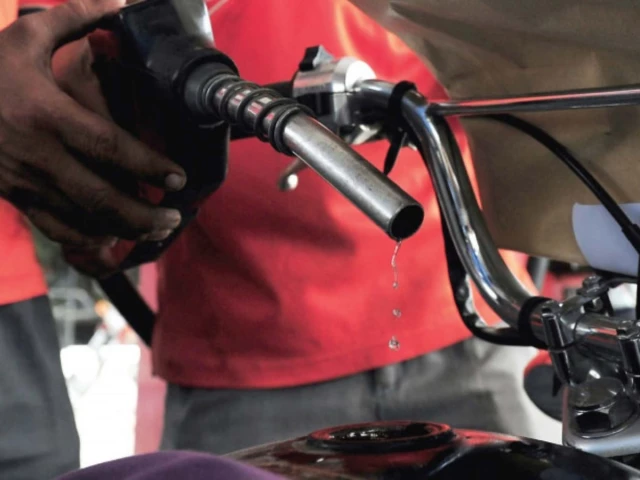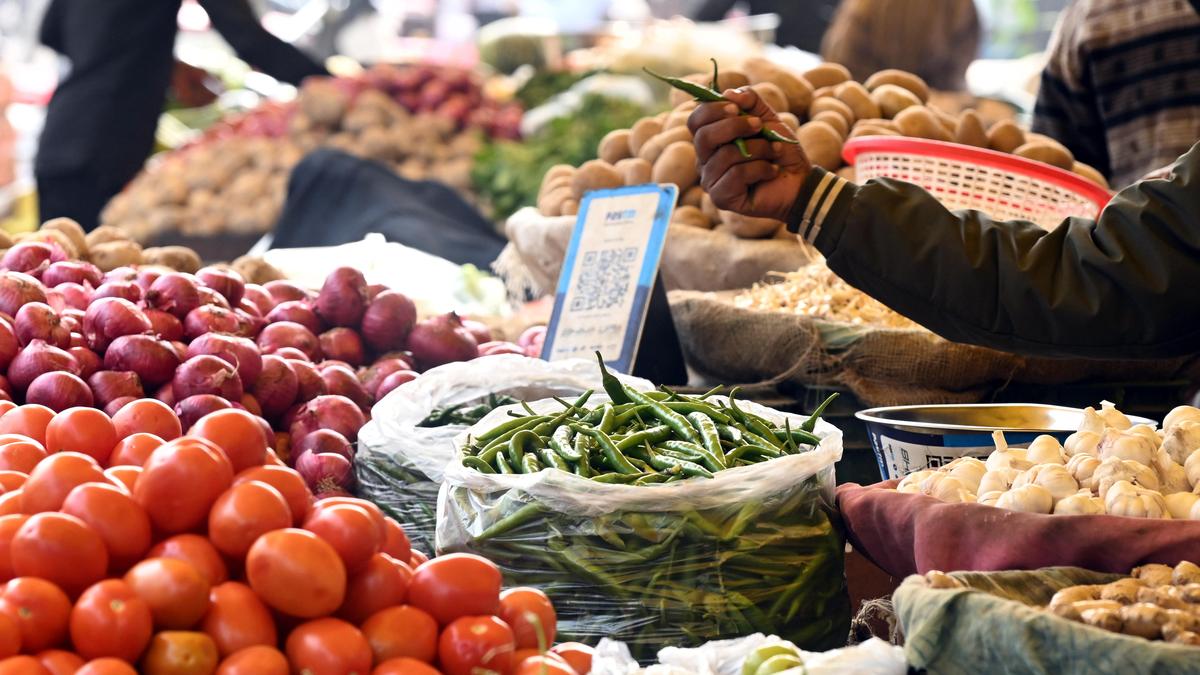
Inflation in food articles was 1.98% in April, compared to 1.90% in March. In non-food articles, inflation rose to 12.18% during April, 11.5% in the previous month, data released by the commerce and industry ministry showed. File
| Photo Credit: The Hindu
In the first sign of the impact of the West Asia crisis on prices in India, wholesale inflation in India jumped to 8.3% in April 2026, its highest level in 3.5 years, driven by the sharp rise in crude oil and natural gas prices. Inflation in this category stood at 67.2% in April.
Data on the Wholesale Price Index (WPI) released by the Ministry of Commerce and Industry on Thursday (May 14, 2026) showed that the last time wholesale inflation in India was higher than this was in October 2022. It had stood at 3.9% in March 2026.
Notably, food inflation at the wholesale level remained relatively low, at 2% in April 2026, compared to 1.9% a month earlier.

“The first sign of the impact of war on the Indian economy has been seen in the WPI inflation number for April which came at 8.3%,” Madan Sabnavis, chief economist at the Bank of Baroda said. “This is a direct result of the global developments which have manifested on the oil front.”
Shashwat Singh, fundamental analyst at Bajaj Broking too said that the rise in wholesale inflation was largely driven by higher crude oil prices, fuel and power costs, imported inflation, and elevated input prices amid the ongoing geopolitical tensions in West Asia.
Within the index, inflation in the crude oil and natural gas sectors stood at a 46-month high of 67.2% in April 2026, coming on the back of a 39-month high in March.
While the higher international prices of both products are a driving factor for this, there is also a significant base effect pushing the inflation numbers up. That is, the sector witnessed deflation of 7.6% and 15.5% in March and April of last year.
The fuel and power category, too, saw inflation rise to 24.7% in April 2026, the highest since October 2022. This was driven by inflation in the mineral oils category, which rose to 39.5% in April 2026.
Mr. Singh pointed out that this elevated wholesale inflation could soon pass on to the retail level and directly affect consumers. He added that it could also hurt the profitability of companies.
“Higher logistics, freight, and commodity prices are now increasingly getting reflected in wholesale inflation, which could eventually pass through to consumer inflation as well,” Mr. Singh said. “The spike also suggests margin pressure for manufacturing and industrial companies if cost increases cannot be fully passed on to consumers.”
Published – May 14, 2026 12:44 pm IST