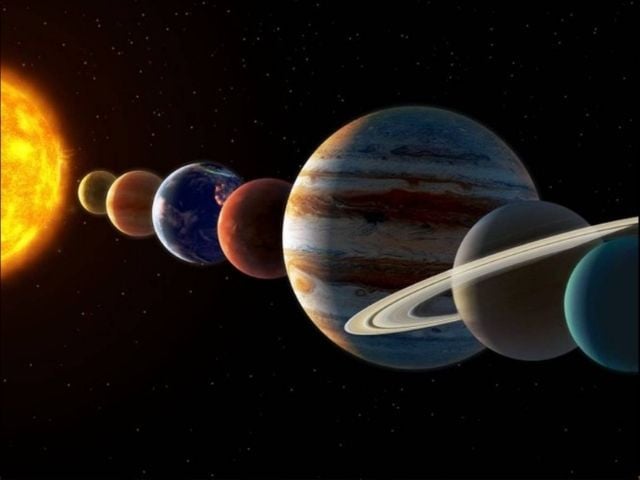
Starting 21 January, stargazers can witness a rare celestial event as six planets – Mars, Venus, Jupiter, Saturn, Uranus, and Neptune – align in the night sky.
The alignment, commonly referred to as a “planetary parade,” will be visible to the naked eye for Mars, Venus, Jupiter, and Saturn, while Uranus and Neptune require a telescope for observation. The best viewing time is just after sunset, with the event lasting until the last week of February.
By late February, Mercury will briefly join the alignment, making seven planets visible from Earth.
However, spotting all seven simultaneously will be challenging as Saturn, Mercury, and Neptune will remain close to the horizon during sunset.
Astronomers recommend heading to dark, cloud-free areas away from city lights for optimal viewing.
Jennifer Millard, an astronomy expert, described the experience of seeing planets directly as extraordinary. “The light you see has travelled millions or even billions of miles to reach your eyes,” she explained.
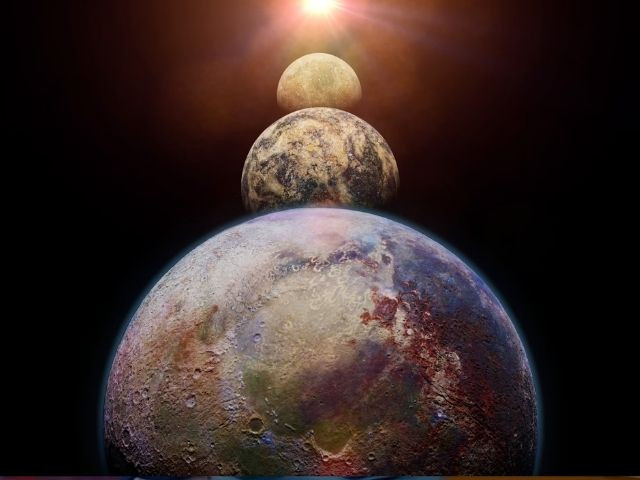
This planetary alignment offers a unique opportunity for stargazers to explore the vastness of the cosmos, with Venus, Saturn, and Neptune expected to disappear from the night sky by early March.