

What do Indian and Italian craftsmanship and design have in common? Both countries boast ancient and storied sculptural languages, Italy in marble, and India in makrana marble, soapstone, sandstone and granite.
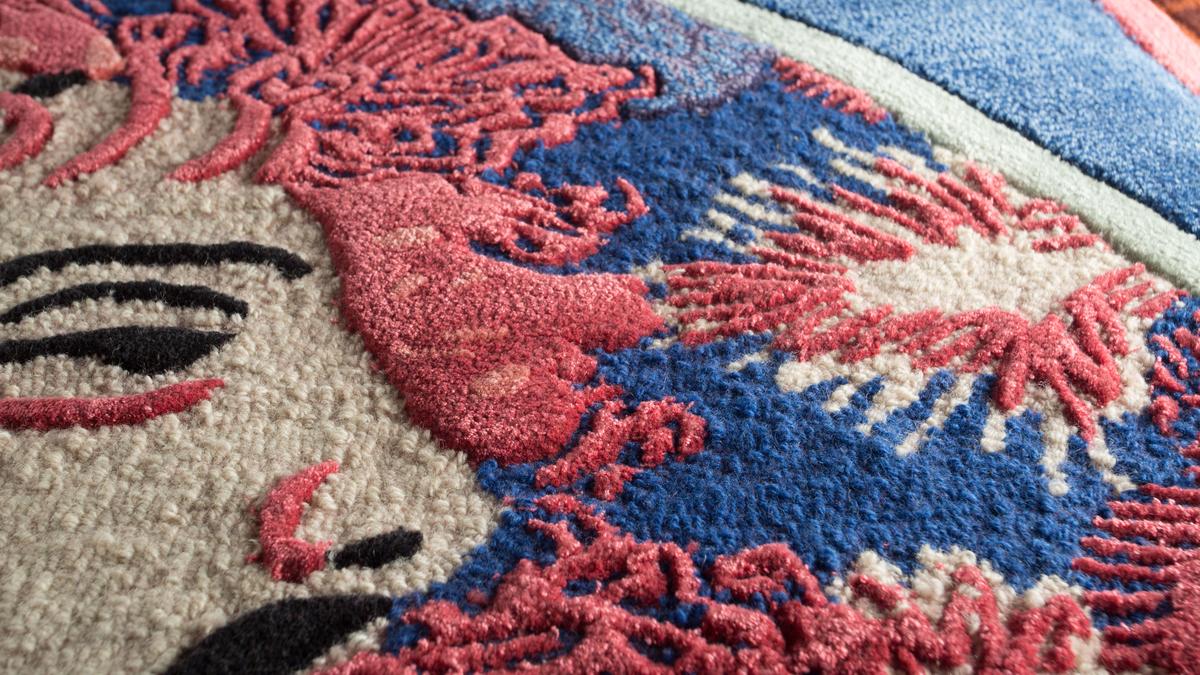
Indian hand-knotted rug maker, Jaipur Rugs and Italian designer Matteo Cibic created an eclectic experiential trip to Rajasthan through handmade rugs.
Today, a love of Italy’s design language in stone and soft furnishing, inherent luxury in leather and minimalist lines, has driven imports of an average of $7.4 billion in the furniture design and building materials sector each year, as per the Indo-Italy Chamber of Commerce and Industry. To discuss this, ‘Crafting the Contemporary: Architecture and Design Between India and Italy’ was held on November 11 as part of the GENS Public Programme at the Venice Biennale Architettura 2025, organised in collaboration with the Indian Chamber of Commerce in Italy (ICCI) and India Design ID. The event featured architects and designers from both nations conversing in the language of heritage and innovation in modern design. Misha Bains, Fair Director, IndiaDesignID, moderated the discussion with Italian designer and sculptural artist Matteo Cibic, Italian architectural designer Paola Marpillero (Studio Marpillero & Associati), and Indian designer Rooshad Shroff, whose work in creating ephemeral India-first spaces, sets him apart. Edited excerpts from the conversation:

Misha Bains
How does materiality play a role in the Indian-Italian design connection?
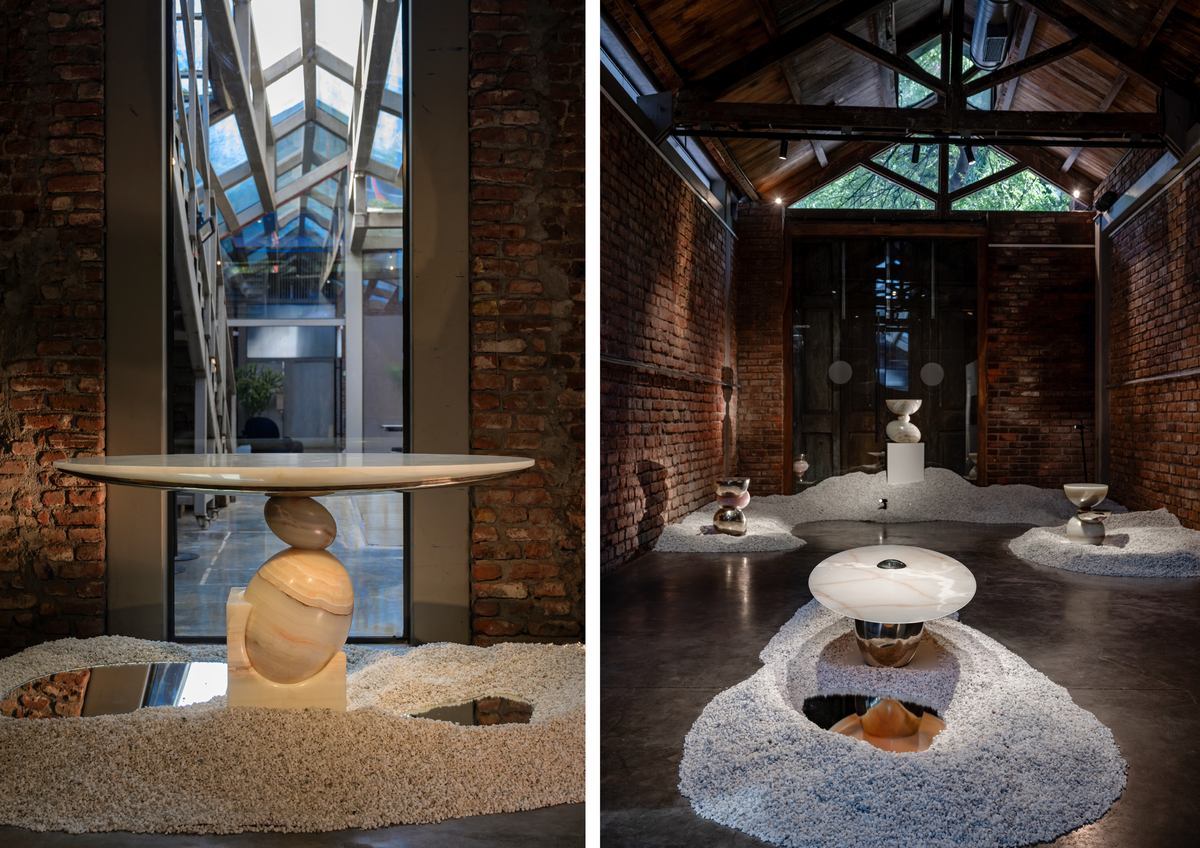
Bains: Materiality in stone connects India and Italy today through how designers in both countries are pushing the material into new forms. In India, studios like [Rooshad] Shroff are hand-carving marble into furniture and lighting with microtextured surfaces, and Studio Raw Material works with Makrana to produce almost architectural objects. In Italy, designers like Matteo Cibic experiment with coloured and composite marbles, and brands collaborate with designers like Piero Lissoni and Patricia Urquiola to create precisely milled stone furniture using advanced CNC technology.
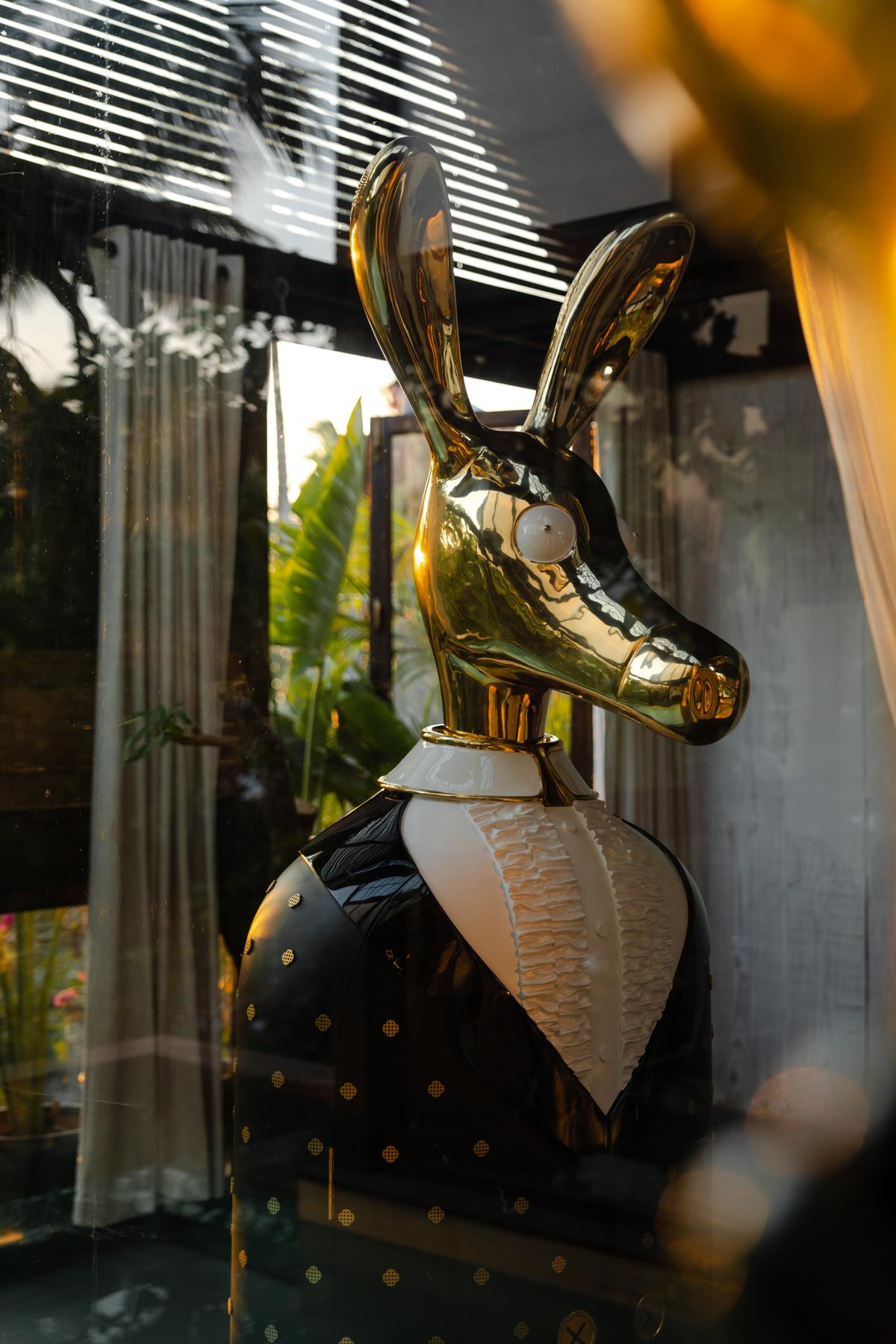
Cibic: For me, working for a decade with Scarlet Splendour [Kolkata-based design studio] to create sculptural pieces started a journey with Indian artisans who learnt to use resin and mineral powders to create inlay furniture, which was inspired by inlay work in both countries. We play with new materiality, where no animal-based products are used, but with skill sets already found in India, and drawing from the black and white inlay you find in Florence, Italy.
Shroff: Our countries have been working with Carrara (Italy) stones, Makrana in Jaipur and Agra, and that tradition has continued into contemporary times. Design, in a way, is becoming global, but when you focus on material and craft, it also roots you to an area, because of the practicality of sourcing and craftsmanship. So, both India and Italy are unique in that sense.

Matteo Cibic
In the current moment, why are Indian interior stylists so drawn to Italian design syntax? And is there space for Indian design to cross international borders?
Bains: Italian design offers sophistication, proportion, restraint and a coherent visual language that aligns with India’s growing taste for quieter, more intentional luxury. Spaces are being styled now, pairing Italian lighting or seating with Indian-made and -designed furniture, textiles, stonework, craft-led objects, creating interiors that feel global yet rooted. Meanwhile, there has been a strong crossover of Indian design into the Italian space through craft-driven collaborations. Jaipur Rugs has brought Indian hand-knotting to Milan through collections with Matteo Cibic and Richard Hutten at Salone del Mobile. Scarlet Splendour has showcased Indian collectible furniture in Milan, while Taro Collective is presenting contemporary Indian craft and material experimentation across European platforms. Max Modesti acted as a bridge, bringing Indian embroidery and hand techniques into European high fashion and design, as Bijoy Jain’s Hermes furniture collection and Rahul Mishra’s collaboration with Tod’s further merge Indian craftsmanship with Italy.
Cibic: Today, the Indian market is very interested in design, different from other parts of the world, and is very experimental in the use of materials, colours, and shapes. I can see there are huge opportunities with new clients open to designing their homes with designers pushing the boundaries. I can see a large market for Indian consumers abroad, too. I think the world today needs colour and happiness, and you find that, whether in Jaipur, working on a rug collection or in the different crafts you see across India.
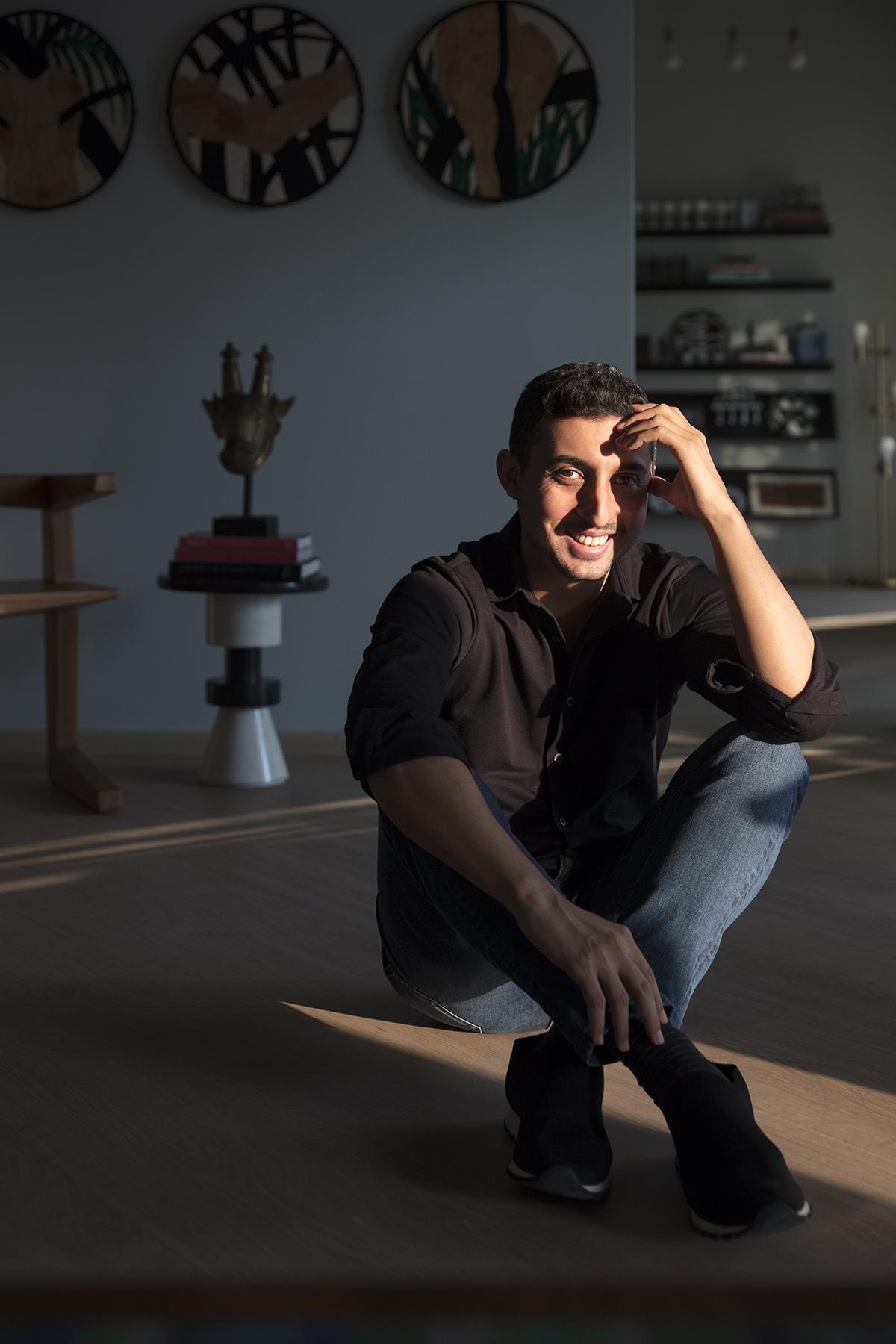
Rooshad Shroff
Shroff: Italy has been the mecca of design for years now. They managed to transform craftsmanship into a controlled, larger-scale production, and their major design houses flourish because of that. Today, they’re looking beyond Italian designers, and there could be opportunities for Indian designers to be integrated into that. Nilufar (founded in 1979 in Milan by Nina Yashar), a legendary gallery known for its selection of vintage design masterpieces, has collaborated with Vikram Goyal, an acknowledgement of India’s voice and talent being noticed on the world stage.
To close with takeaways from the symposium, Bains sums up, “New luxury emerges when design engages deeply with making, when materials, craft knowledge and cultural context converge. Each context offers lessons to the other — India, with its deep lineage and resilience in craft, [and] Italy, with refined craftsmanship and material innovation.”
The freelance writer is based in Chennai.
Published – December 19, 2025 11:43 pm IST


