A Harvard Medical School research project into early cancer detection may be at risk after the US Immigration and Customs Enforcement (ICE) detained a key scientist, Kseniia Petrova, who developed critical computational tools for the lab’s groundbreaking microscope.
Petrova, a 30-year-old Russian-born researcher, was arrested at Boston’s Logan Airport in February after failing to declare scientific samples.
She has been held at the Richwood Correctional Center in Louisiana for two months, facing possible deportation to Russia.
Her first immigration court hearing is scheduled for Tuesday.
Petrova, who has protested against Russia’s war in Ukraine, claims she fears persecution if returned.
Her lawyer, Gregory Romanovsky, said the charges stem from a customs violation typically resolved with a fine, not visa cancellation.
The Department of Homeland Security said Petrova was “lawfully detained” after allegedly lying about transporting biological materials.
Petrova maintains she disclosed the samples and was confused during the customs process.
Colleagues at Harvard, including Dr. Leon Peshkin and Dr. William Trim, say Petrova is irreplaceable.
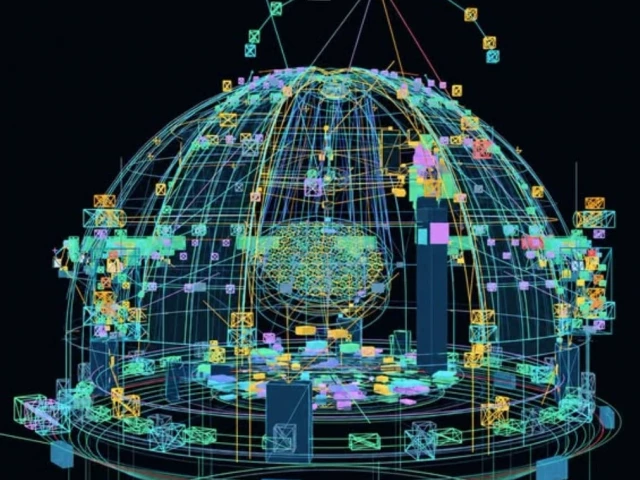
She developed software to analyze 100,000 images generated by a unique microscope central to their research. Without her expertise, they warn critical medical breakthroughs could be delayed or lost.
The case highlights broader concerns among academics over increasingly restrictive US immigration policies.
A recent survey reported that 75% of international scientists are considering relocating due to policy uncertainty.
Over 1,550 international students have had their visa statuses changed, and 28 federal lawsuits have been filed by affected individuals.
As scientists and universities await Petrova’s legal outcome, concerns are growing over the chilling effect on international talent in US research institutions. “We may never see her again,” said Trim, “and the science could suffer because of it.”