

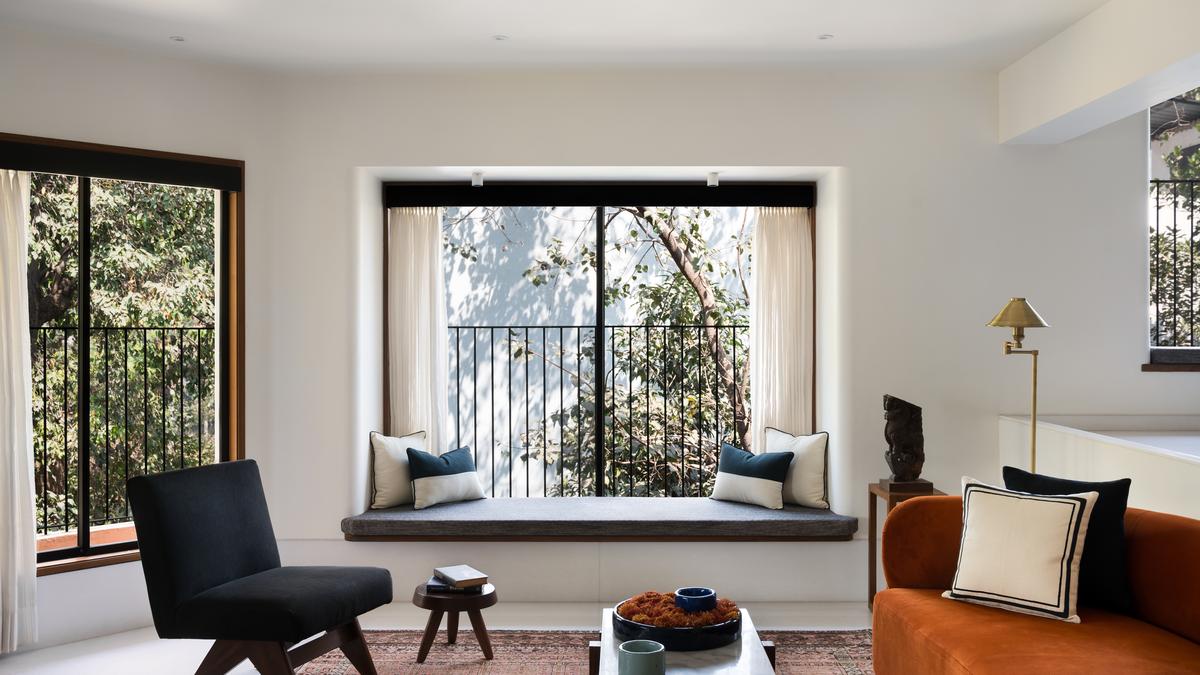
A new year is more of a mosaic versus a stark, clean slate, each piece shaped by what came before. From layered maximalism to nuanced minimalism, material-forward thinking to quieter takes on luxury, 2026 ushers in an evolution that confirms there’s ample room for diverse sensibilities to coexist.
“There’s such power in personality — the focus is now on spaces that feel like ours, designed to reflect their people and not an editorial look,” says Mehek Malhotra, art director, Giggling Monkey Studio. The tides seem to drift homewards, observes Farah Ahmed, co-founder at FADD Studio, “Indian kaarigari and creations are omnipresent at global fairs. The world seeks their inclusion in architecture and interior design with more enthusiasm than ever before.” Curated with expert insights, this forecast maps what’s next for the design landscape.
Colour rules the canvas
Arun Shekar Gowda and Mohammed Afnan – Humming Tree, Kozhikode and Muscat
A deep forest green hue dramatically washes over the walls and booths at Beyondburg inc.
| Photo Credit:
Studio f/8
There is an indelible quality to the spaces created by the principal architects at Humming Tree, Arun Shekar Gowda and Mohammed Afnan. “Homes and hospitality projects are driven by experience. And colour is the most evocative medium to express this,” Gowda shares. Their chameleonic approach is a testament to their seasoned art of decoding a client’s brief — all while employing colour with the confidence of an artist meeting canvas.

Mohammed Afnan and Arun Shekar Gowda.
| Photo Credit:
Gokull Rao Kadam

Within this Kochi residence, colour makes an omnipresent debut in art, textiles, and focal furniture.
| Photo Credit:
Muhammed Hani and Shijo
“We see a striking shift in the direction of colour and rich pigments — think burgundy, teal, olive, and browns. They’re moody, experimental hues that form colour palettes that work across surfaces, objects of interest, and spatial features,” notes Afnan.
Shine, reimagined
Amirah Ahamed – Bodhi Design Studio, Bengaluru
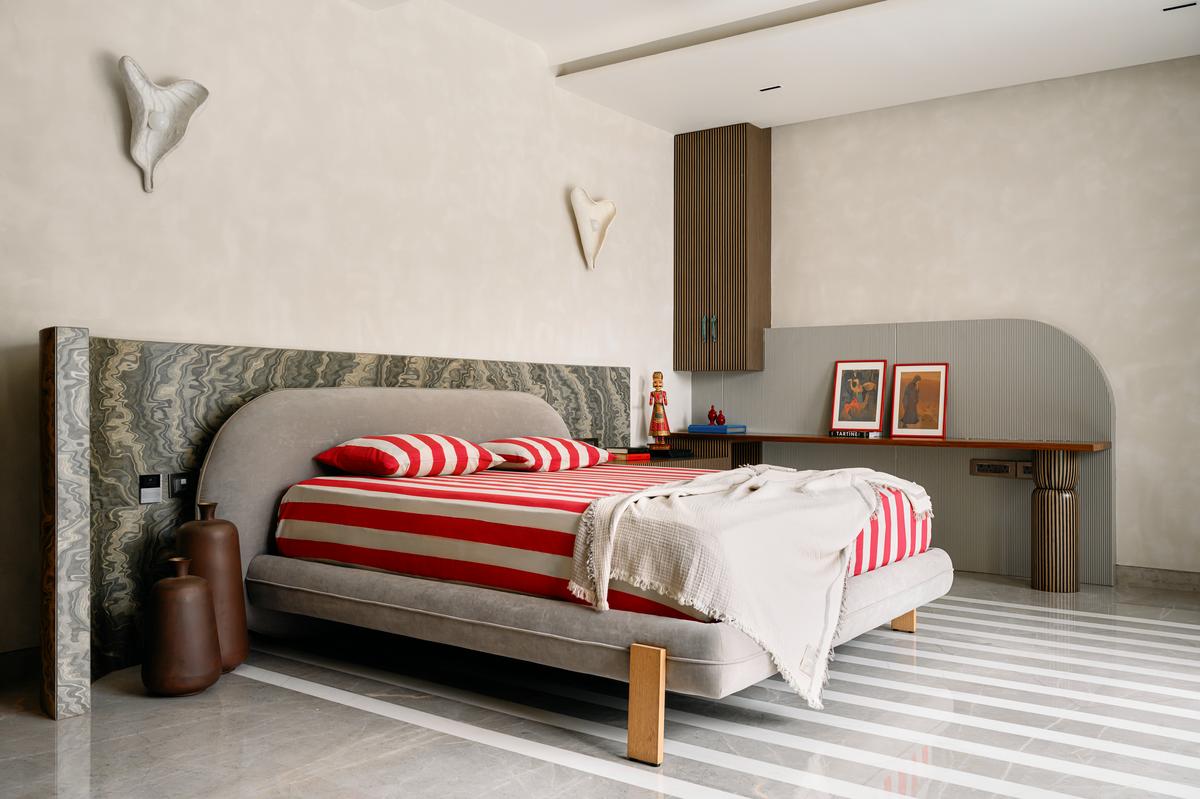
In one of the bedrooms, a medley of stripes intersects with the veining of burl veneer. Styling: Fymin Naif and Nimitha Harith.
| Photo Credit:
Justin Sebastian
Materials don a more sentient role: tactile, textured, and here to make a statement. Imagery within spaces leans toward balance rather than excess, and architect Amirah Ahamed’s work is a fitting testament. Her practice, Bodhi Design Studio, is synonymous with a rooted ethos, albeit with a modernist spin.
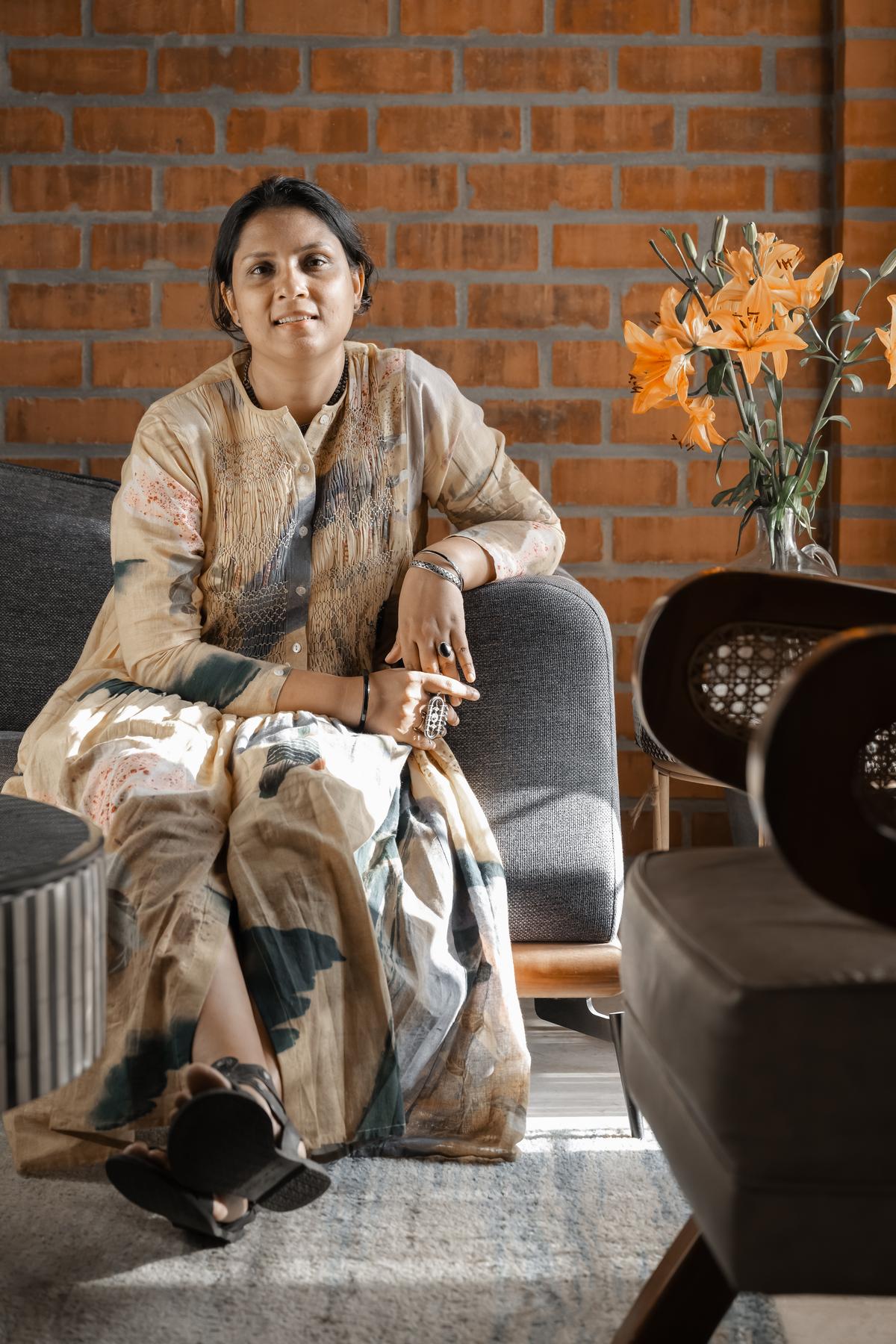
Amirah Ahamed
| Photo Credit:
Arjun Krishna

Vyōmam’s home office is immersed in green, with a stainless-steel ripple sheet that creates an illusion of speckled distortion. Styling: Fymin Naif and Nimitha Harith.
| Photo Credit:
Justin Sebastian
“Metallic finishes are truly having a moment. Ripple and ombré metal sheets are here to stay. They work beautifully across large surfaces that crave character and depth,” Ahamed avers. Glass blocks, burl veneers, and the use of mild steel have marked their presence within projects, straddling restraint and versatile design sensibilities.
Design goes dramatic
Sanchit Arora – RENESĀ Architecture Studio, New Delhi

Lair Gurgaon’s suave sensibilities stem from the use of unadulterated textures, shaping the identity of a modern speakeasy.
| Photo Credit:
Avesh Gaur
At the helm of RENESĀ Architecture Studio, Sanjay and Sanchit Arora shape some top-table hospitality, transportive retail, and curated residential endeavours. “Our practice perpetually melds the old and new. Every space is an opportunity to do something unique. And I like to bet on those chances,” Sanchit quips.
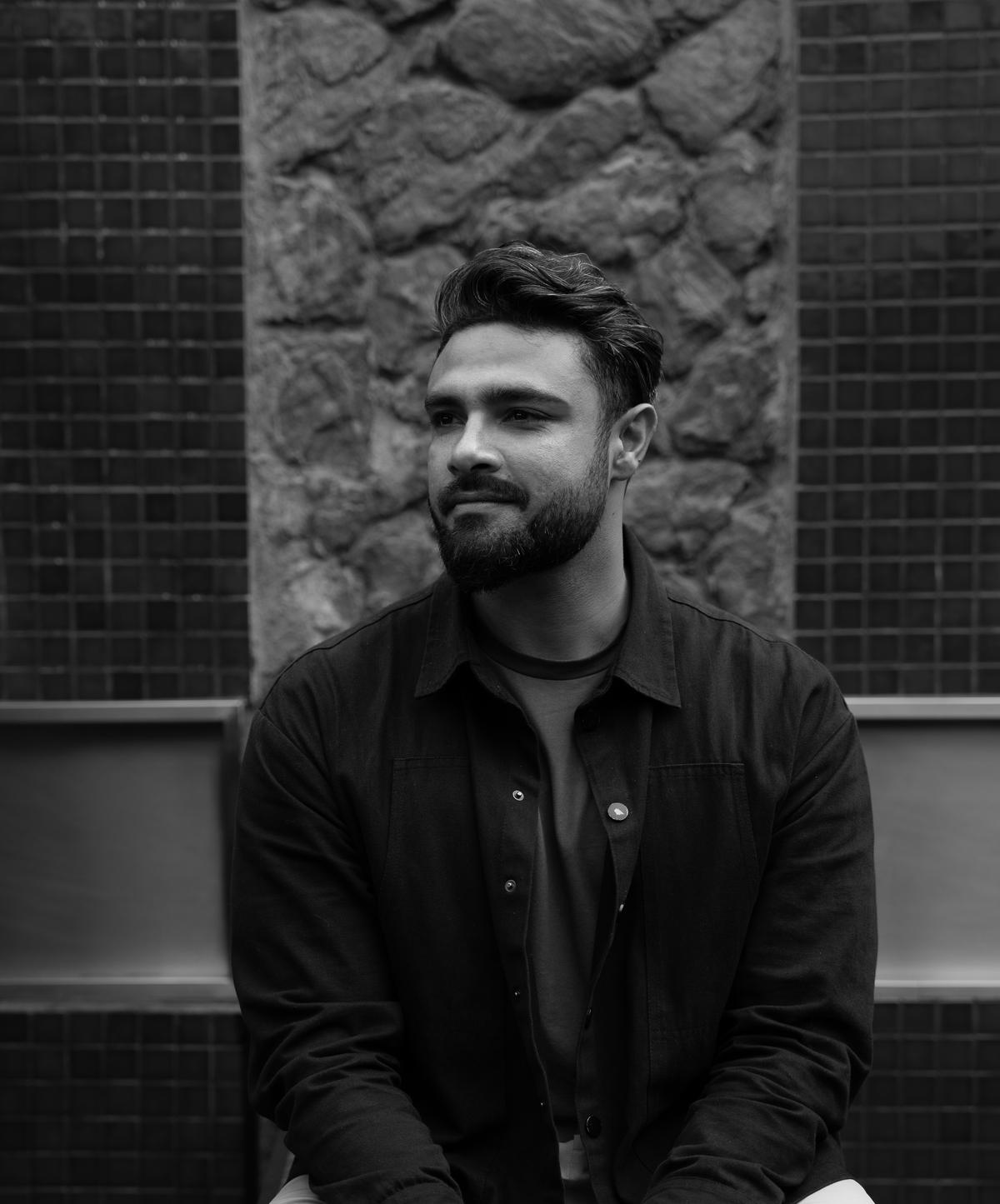
Sanchit Arora
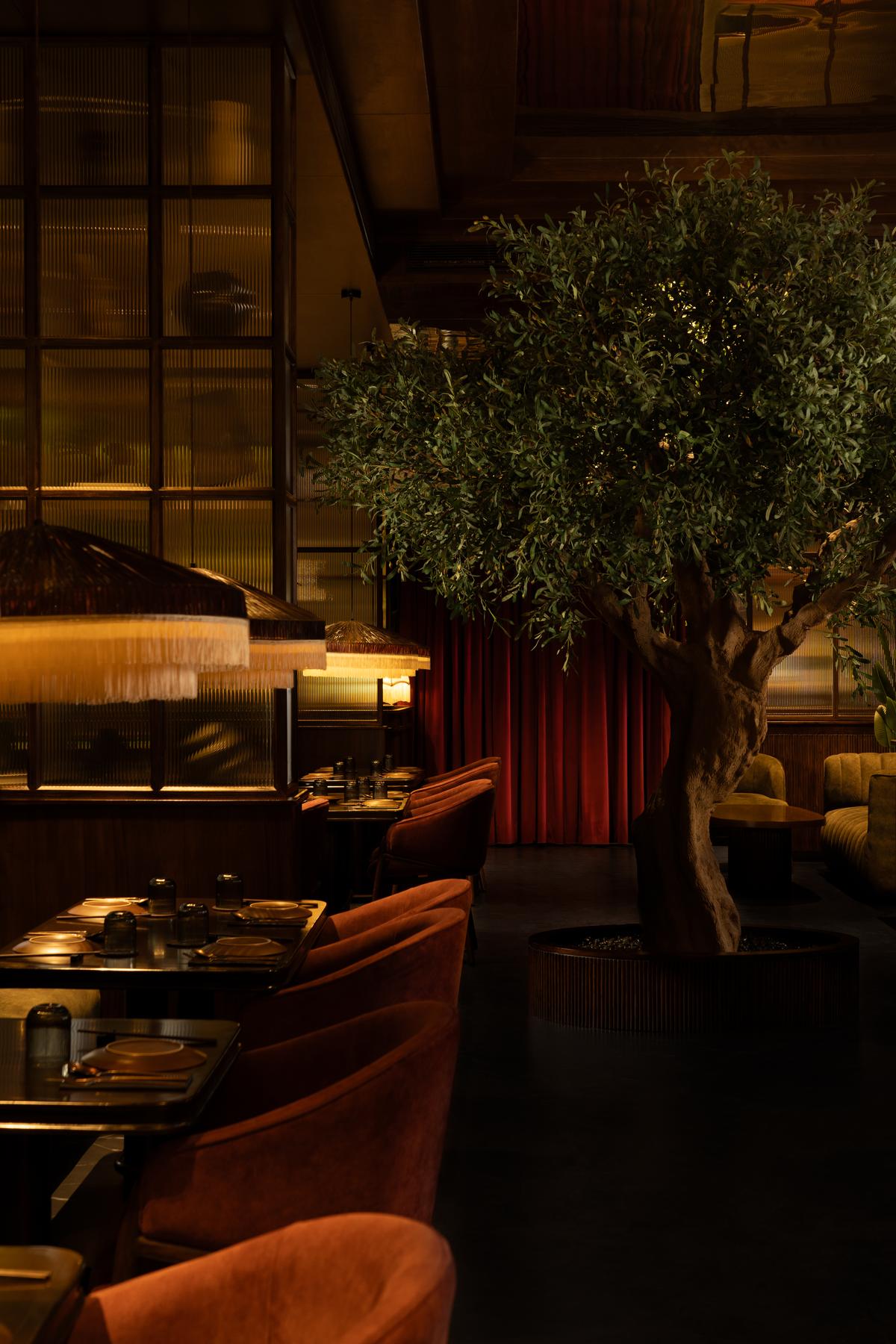
At Hikki, the studio employs Mid-Century nostalgia and neo-decadence, the layout accented by deep hues, textured surfaces, and vintage lighting.
| Photo Credit:
Avesh Gaur
“Something I resonate with is maximal minimalism, especially in hospitality and retail spaces. Nostalgia and retrofuturism play a big role in this. While the shell may be pared down, the elements we introduce within — focal furniture, deep palettes, and proportions swung in the direction of maximalism and elements that reminded one of eras that felt familiar,” recalls Sanchit.
Flooring as statement
Farah Ahmed and Dhaval Shellugar – FADD Studio, Bengaluru
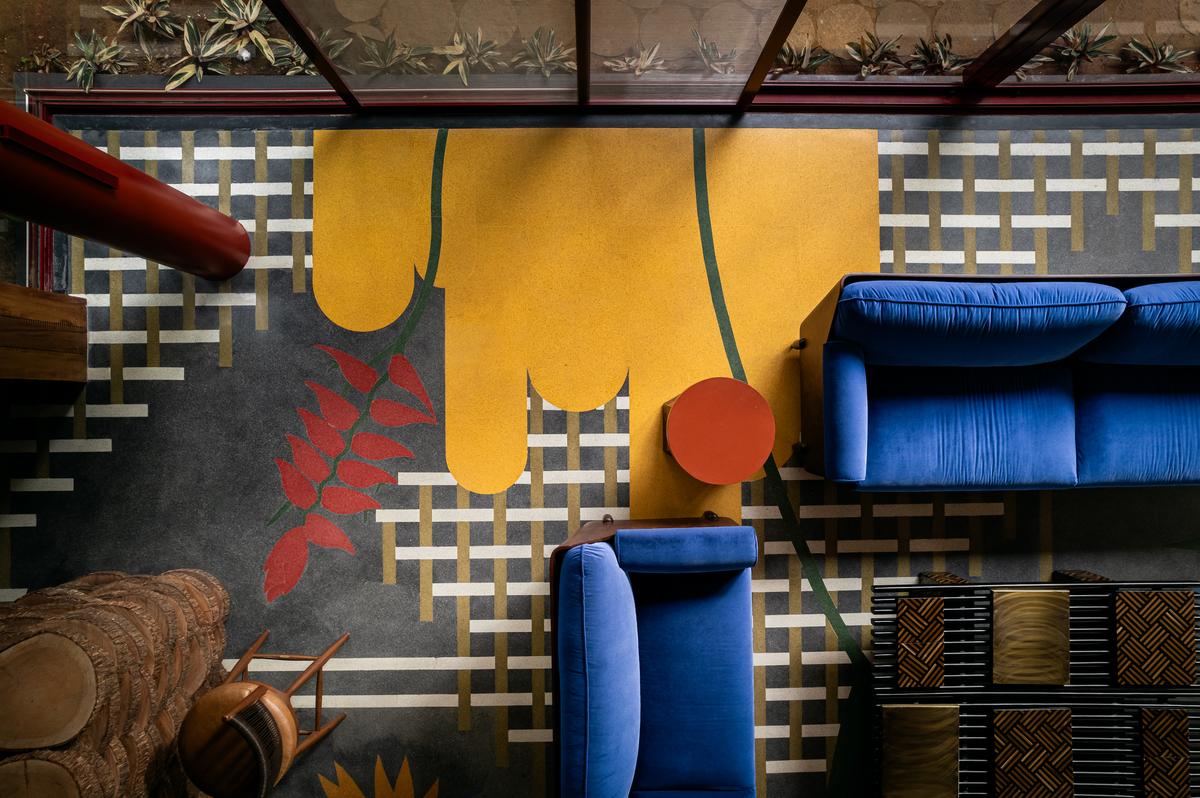
Designed as a collaboration between FADD Studio and Bharat Floorings & Tiles, this private residence’s floors come alive as an art installation.
| Photo Credit:
nareshandnayan
Natural stones, terrazzo, and mixed media have magicked floors into storytelling mediums, replacing the lacklustre vitrified tile. Farah Ahmed and Dhaval Shellugar’s compelling vision demonstrates that.
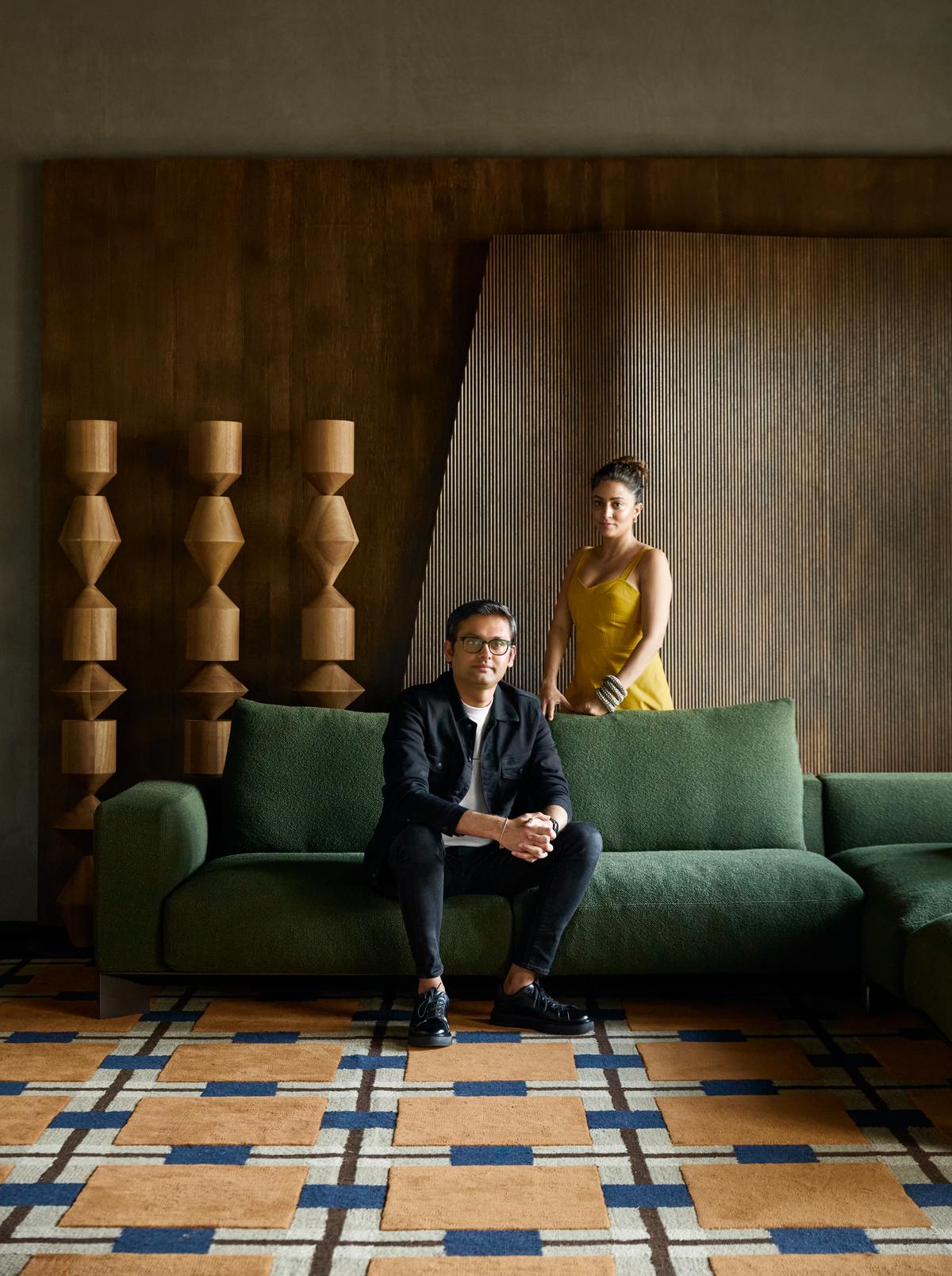
Farah Ahmed and Dhaval Shellugar.
| Photo Credit:
Talib Chitalwala
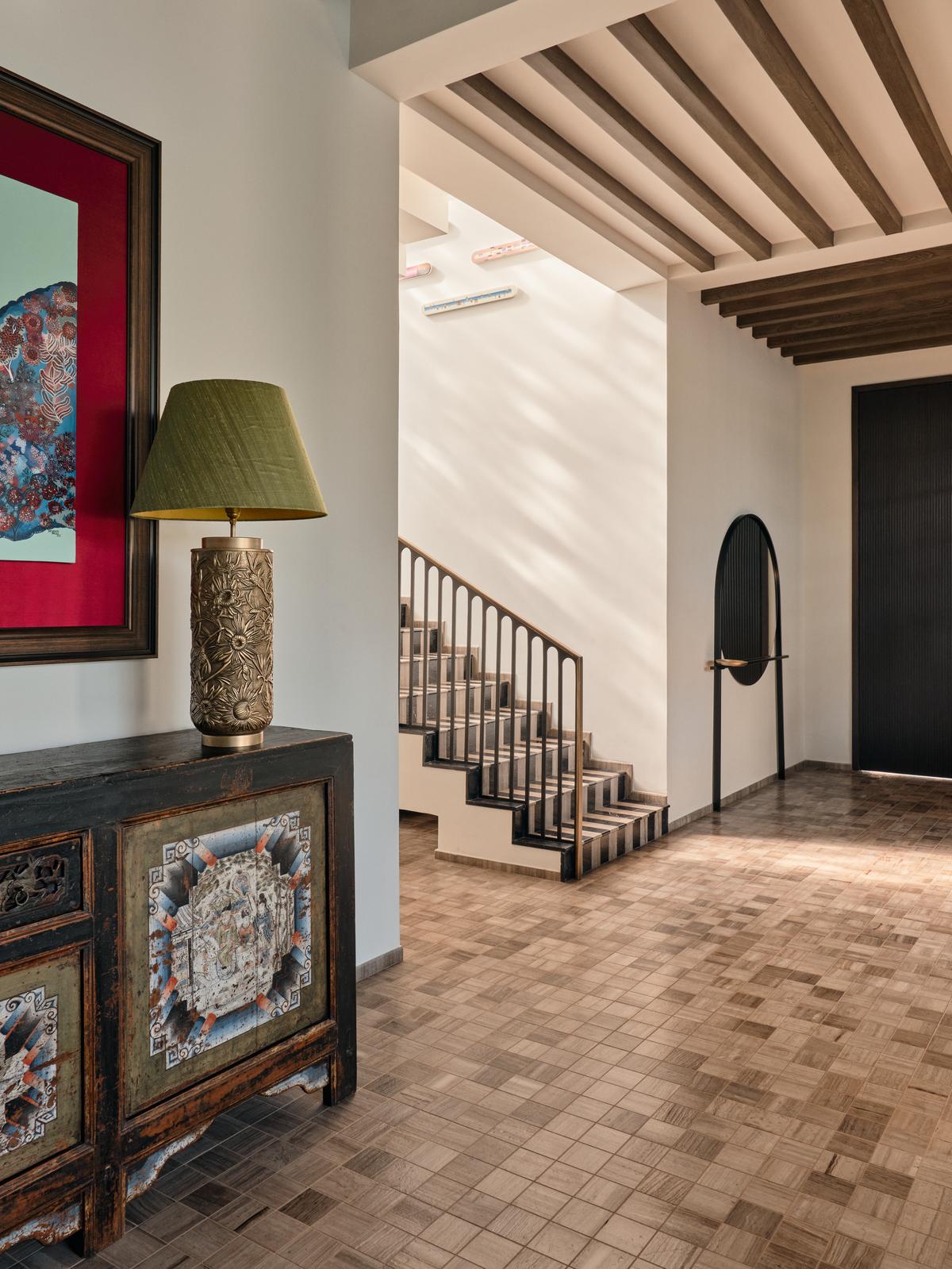
At Hermitage, the studio celebrates tactile materiality, the monochrome stone pairing on the stairs giving way to a matrix of sepia. Styling: Samir Wadekar.
| Photo Credit:
Gokull Rao Kadam
A hybrid cut-and-casted floor injects new life into a home that FADD Studio worked on with Firdaus Variava of Bharat Floorings & Tiles. The result is a mirrored reflection of the conceptualised render; an art installation of sorts embedded seamlessly across the floors. “We created intricate motifs out of coloured cement sheets. These pre-cut pieces were carefully laid out on the unfinished but prepared floor in our desired composition,” Shellugar narrates. “Then we poured self-levelling cement terrazzo into the negative spaces. Once dried, the entire floor was buffed and polished to reveal a unified surface free of any metal or glass,” explains Ahmed.
The custom code
Shreya Mantri – Altrove, Pune | Aishaa Nensey – Venjara Carpets, Mumbai
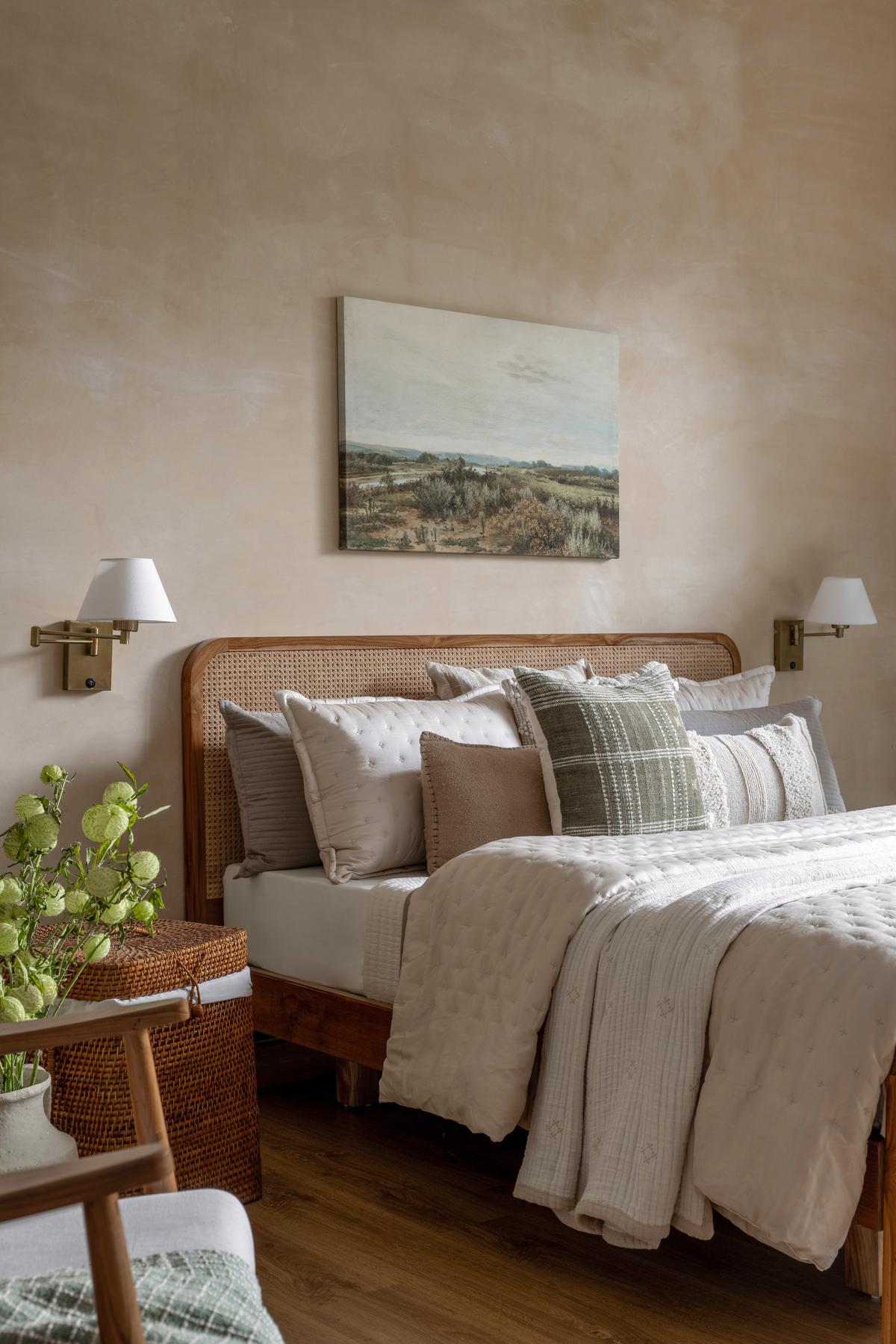
Team Altrove senses an overlap between artisanship and interior design ruling the roost. Styling: Altrove.
| Photo Credit:
Kuber Shah
Homeowners today desire customisation: something that signals exclusivity and serves as a conversation-starter for their spaces.
Altrove’s founder, Shreya Mantri, suggests craft and interior design overlap, “I think rich minimalism is here to stay. The predictable whites are giving way to deeper pigments, textured woods, and thoughtful layering. Influences of Tangaliya and Bhujodi weaving may enter soft furnishings, but from a recontextualised lens.”
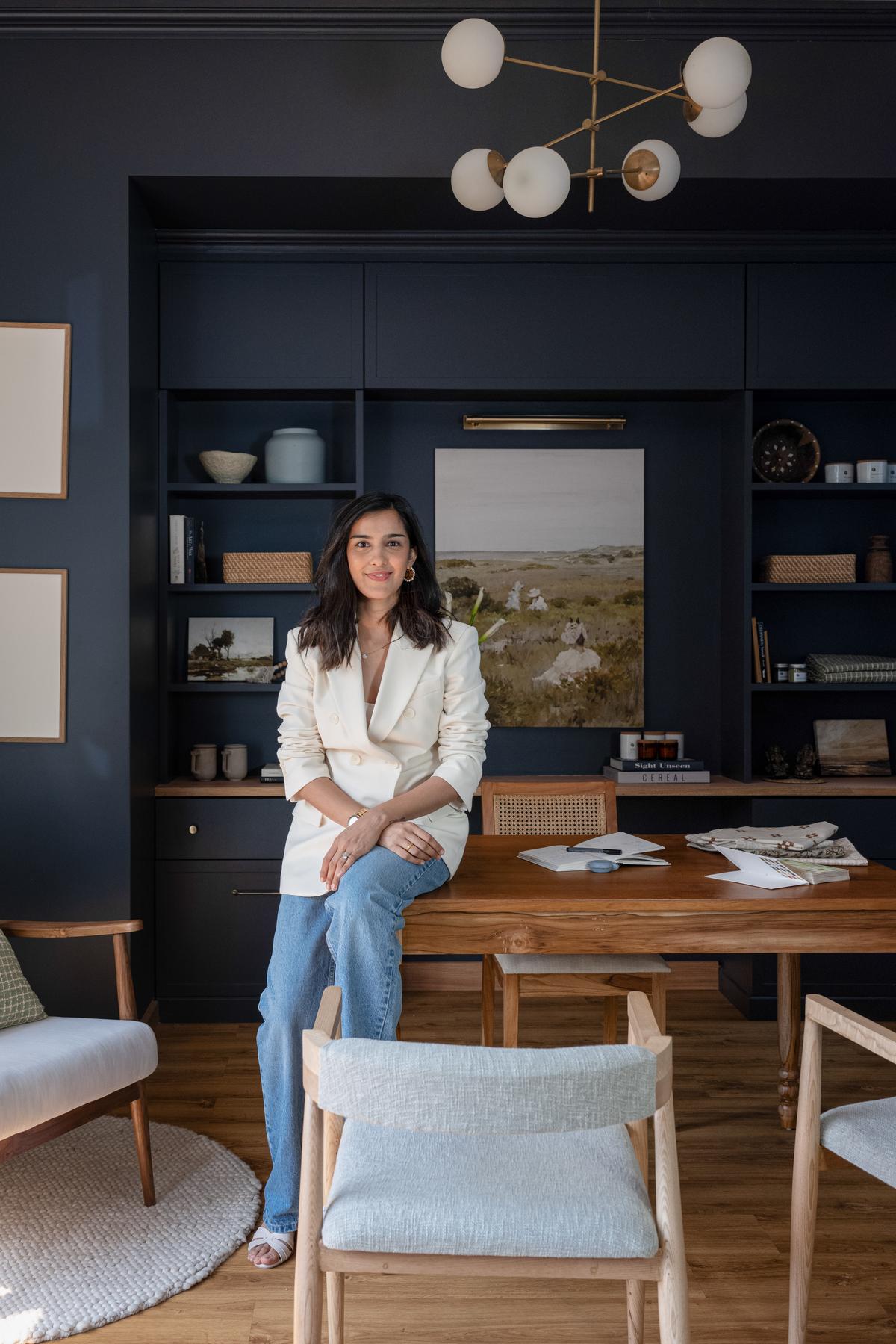
Shreya Mantri.
| Photo Credit:
Kuber Shah
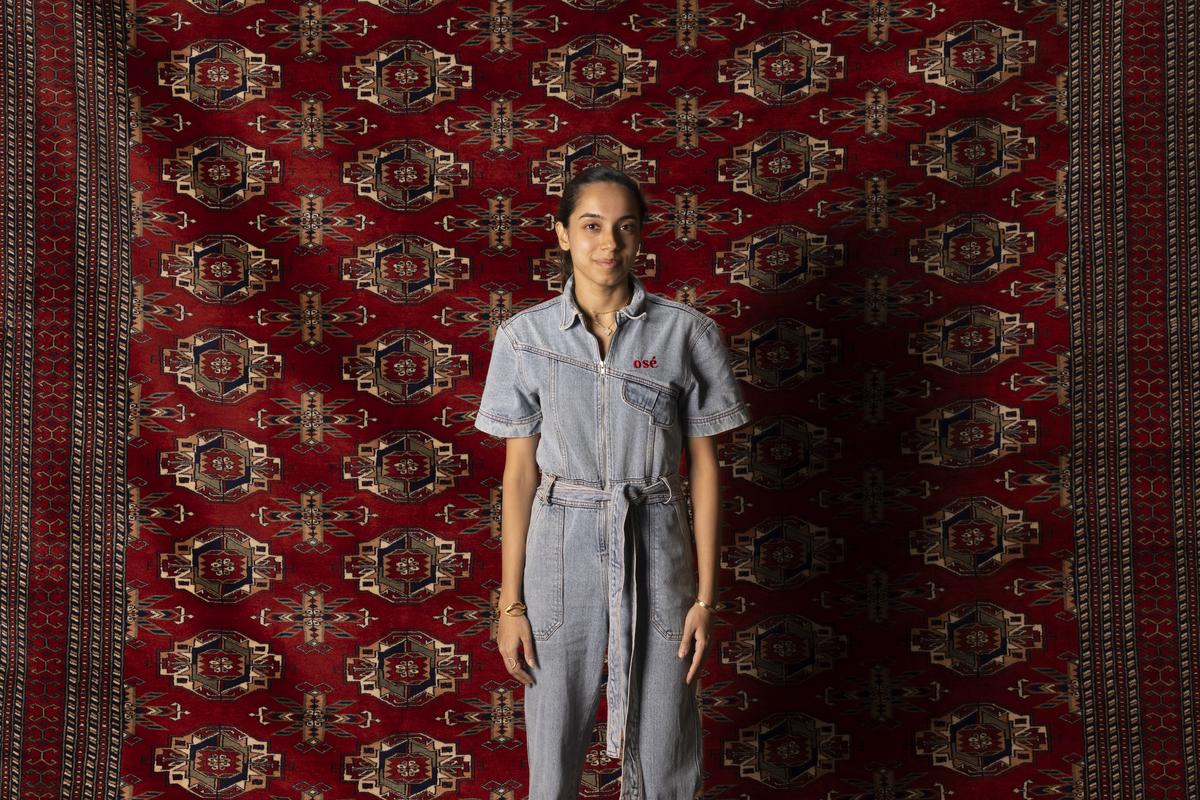
Aishaa Nensey.
| Photo Credit:
Manan Sheth
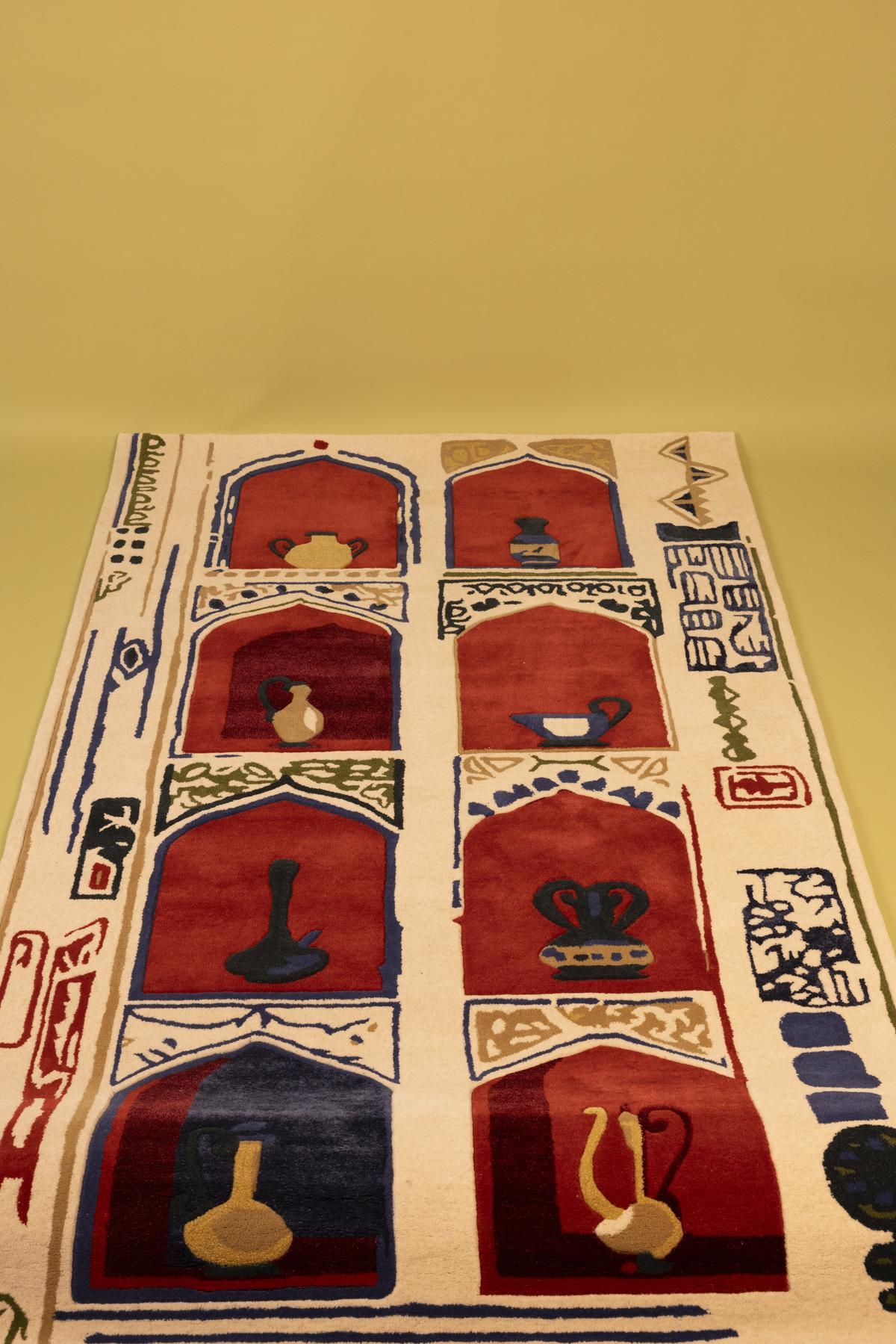
Venjara Carpets melds rich imagery and textiles to create pieces that double as art installations.
| Photo Credit:
MANAN SHETH
The world of carpets mirrors this thought, Aishaa Nensey, a fourth-generation entrepreneur at Venjara Carpets, says. “Carpets have evolved into expressive art forms. Customisation has become central to meaningful collaborations. At Venjara, the intent is for a bespoke rug to allow for a more nuanced and considered outcome,” Nensey says.
Honesty of materials
Mahek Lalan – SML Architects, Mumbai
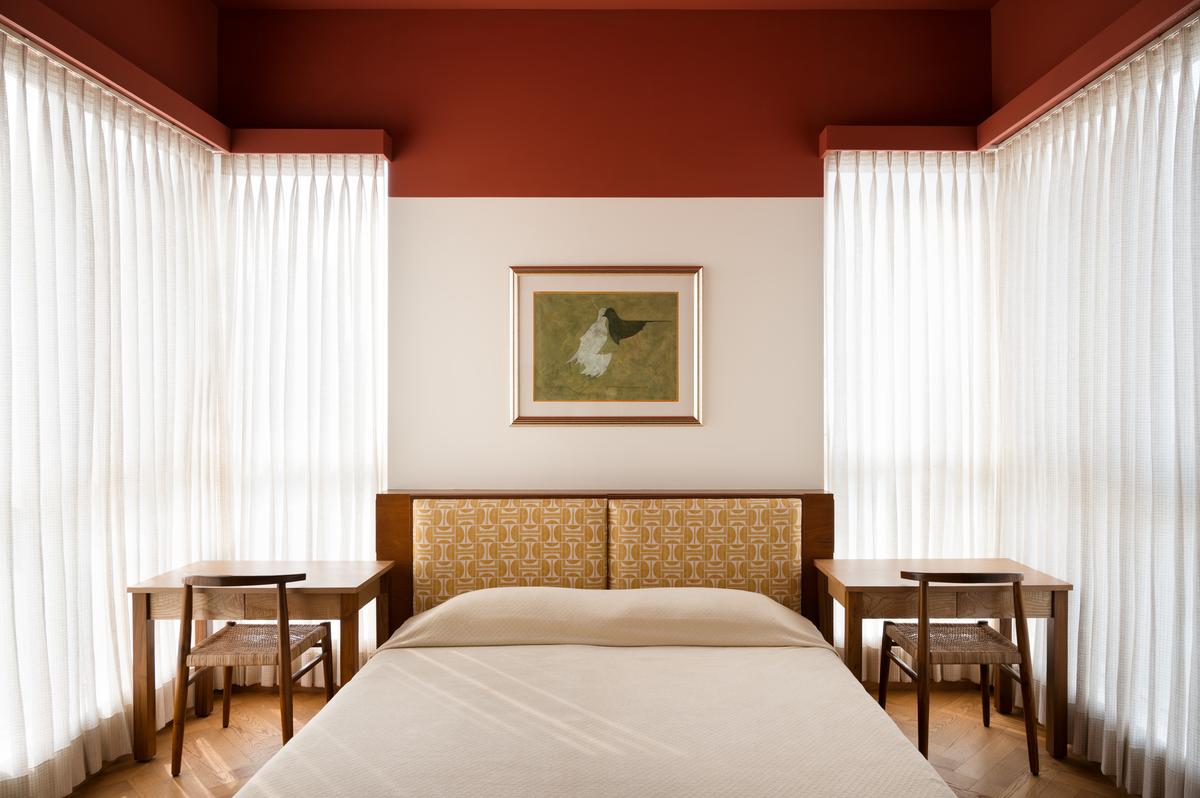
The rich grain of wood varieties, a canopy of earthy hues, and daylight script the milieu at Collectors House.
| Photo Credit:
Neelanjana Chitrabanu
Projects at SML Architects are celebrated for their honest, texturally rich narratives, in which materials in their native state relish the spotlight. Principal architect Mahek Lalan’s top picks include solid wood, brass, and natural stones. “Natural materials like stone will continue to be dominant in 2026 but used with greater intention and context rather than merely as surface finishes,” Lalan suggests.
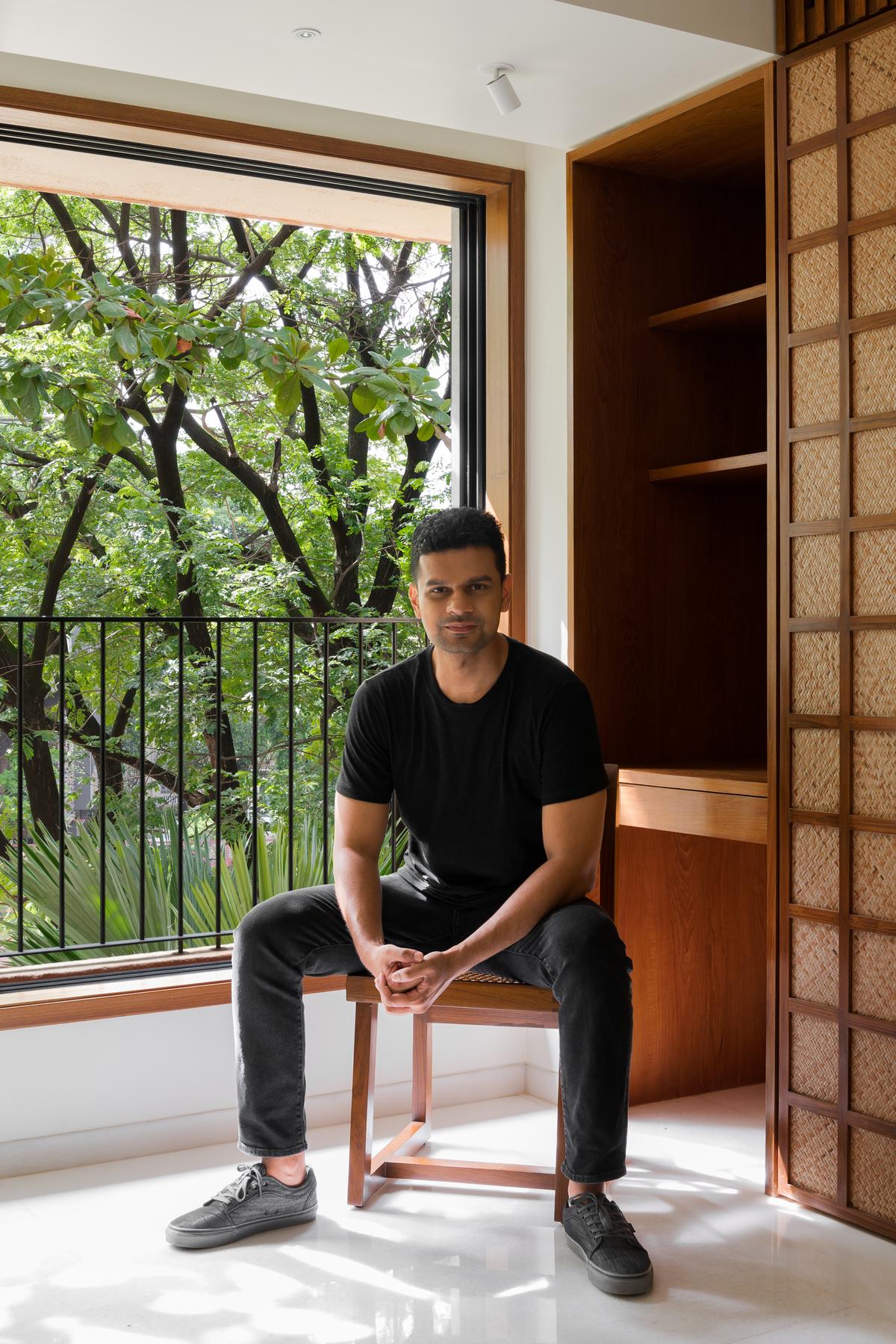
Mahek Lalan.
| Photo Credit:
Neelanjana Chitraban

A devotion to raw textures and natural materials is apparent in SML Architect’s Pink Marble House.
| Photo Credit:
Saurabh Suryan and Lokesh Dang
The demeanour of natural materials is further enriched by their ability to age gracefully. Lalan adds, “I pick wood for its tactility, warmth and adaptability, and brass for its subtle richness and evolving patina. Together, they add a sense of craftsmanship and quiet character to spaces.”
Illuminated intent
Harshita Jhamtani – Harshita Jhamtani Designs, Mumbai
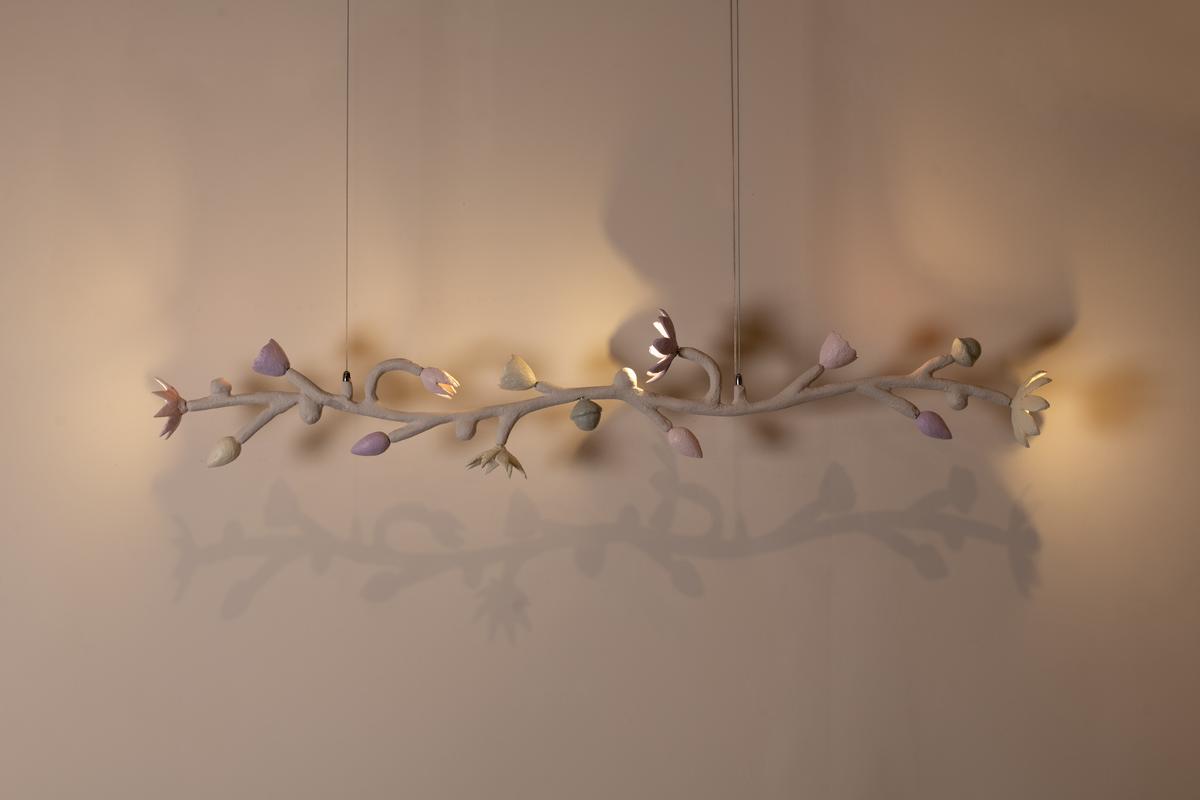
Harshita’s design language leans toward lighting that echoes a personal sentiment through its forms and making.
| Photo Credit:
Prathamesh Reddy
Sculptural silhouettes, whimsical forms, and pieces that read like installations rather than fixtures — the year visualises lighting from a renewed lens. Harshita Jhamtani, creative head at her eponymous studio, attests that lighting, especially bespoke, should say something about the person who lives with it.
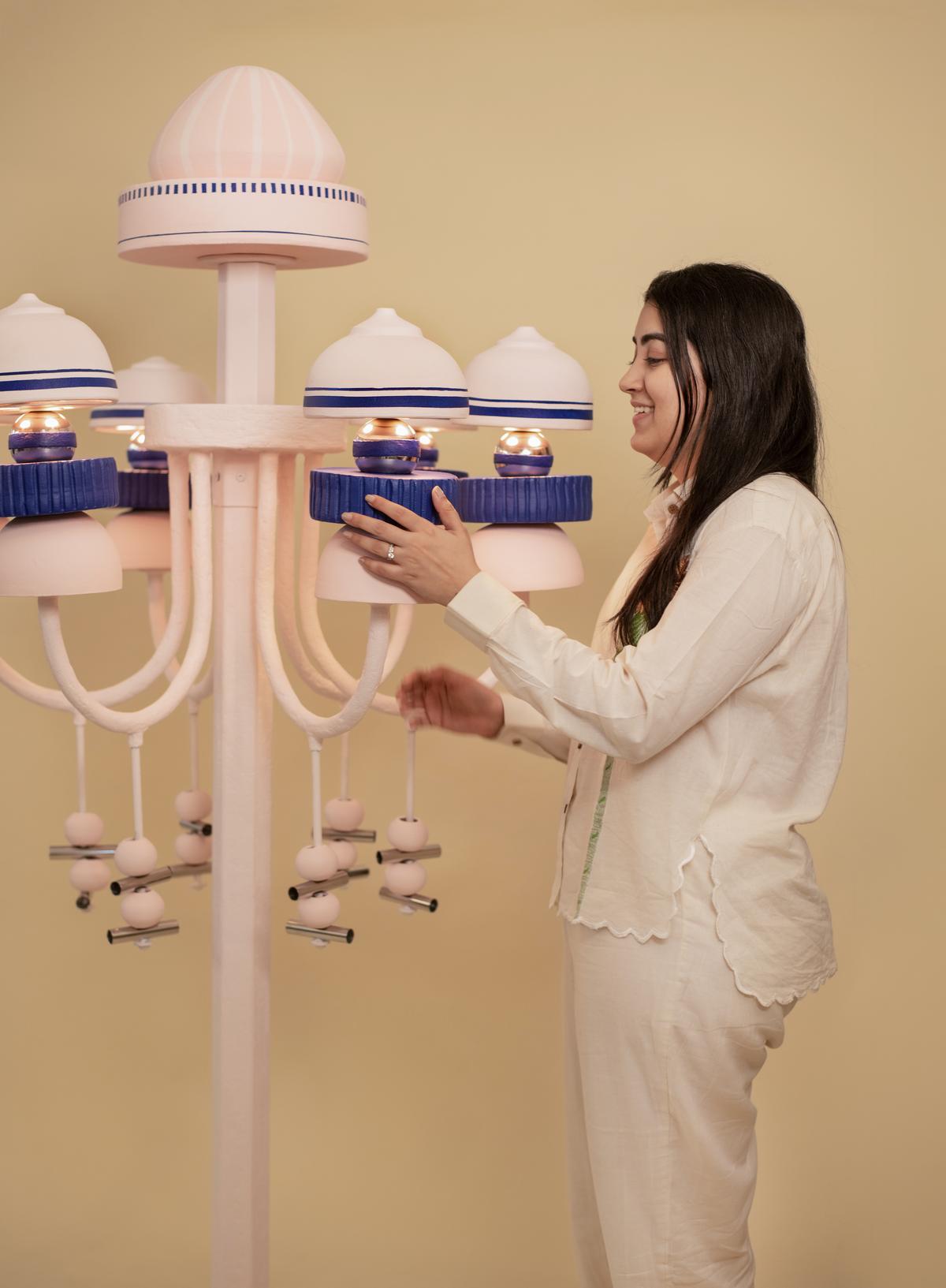
Harshita Jhamtani.
| Photo Credit:
Prathamesh Reddy
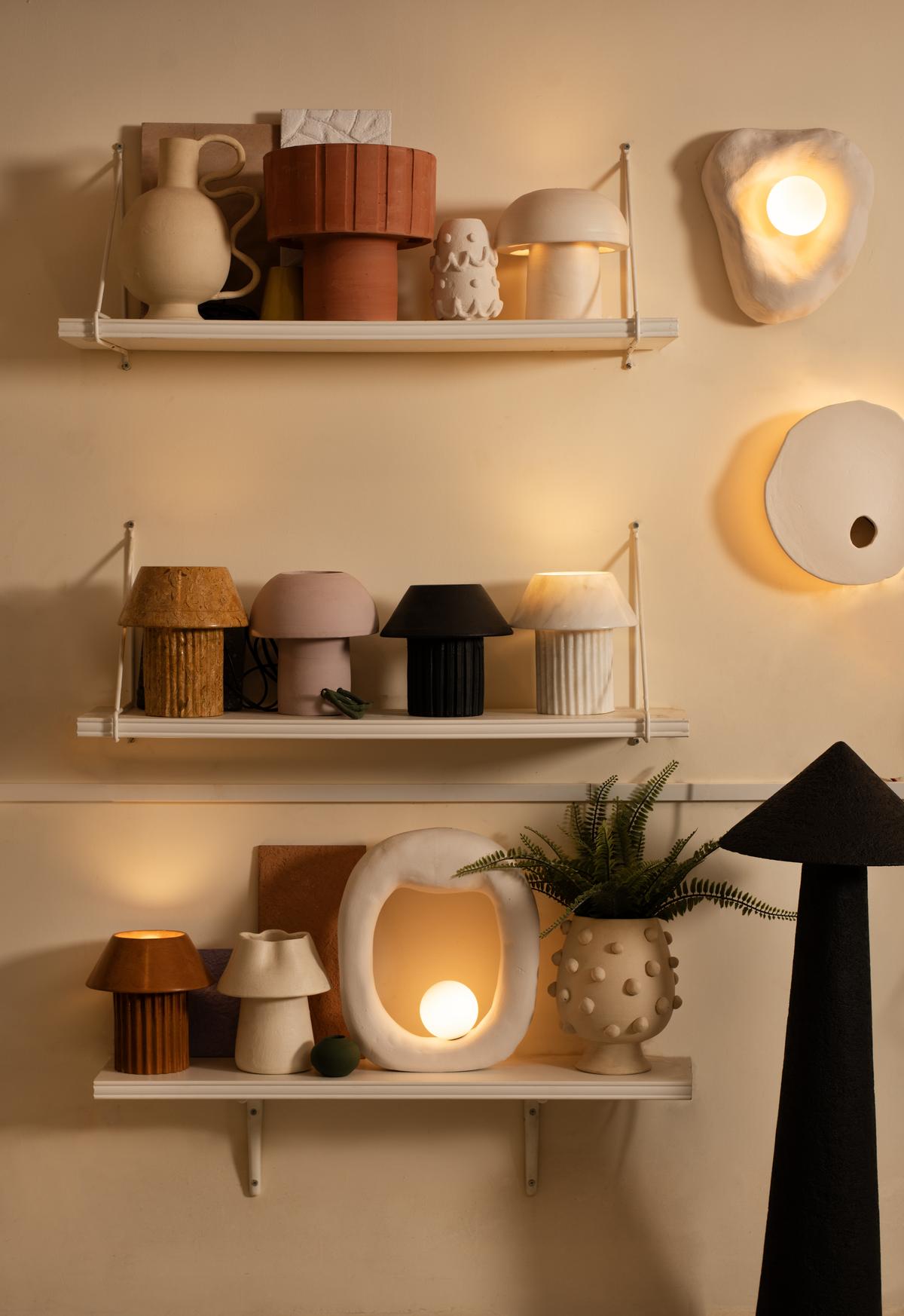
Natural stones, soft metals, and honest materials reign in Harshita’s realm of lighting design.
| Photo Credit:
Prathamesh Reddy
“I think in 2026, it will be about design that feels more human and emotionally connected. There will be a clear move towards pieces that age well, both aesthetically and ethically,” Jhamtani expresses. The studio’s arsenal of standout materials includes clay, stone textures, and softer metals. “Customisation has become important. There is also more playfulness in forms while keeping functionality in mind,” notes Jhamtani.
Quiet luxury prevails
Noorein Kapoor – Noorein Kapoor Design, Mumbai
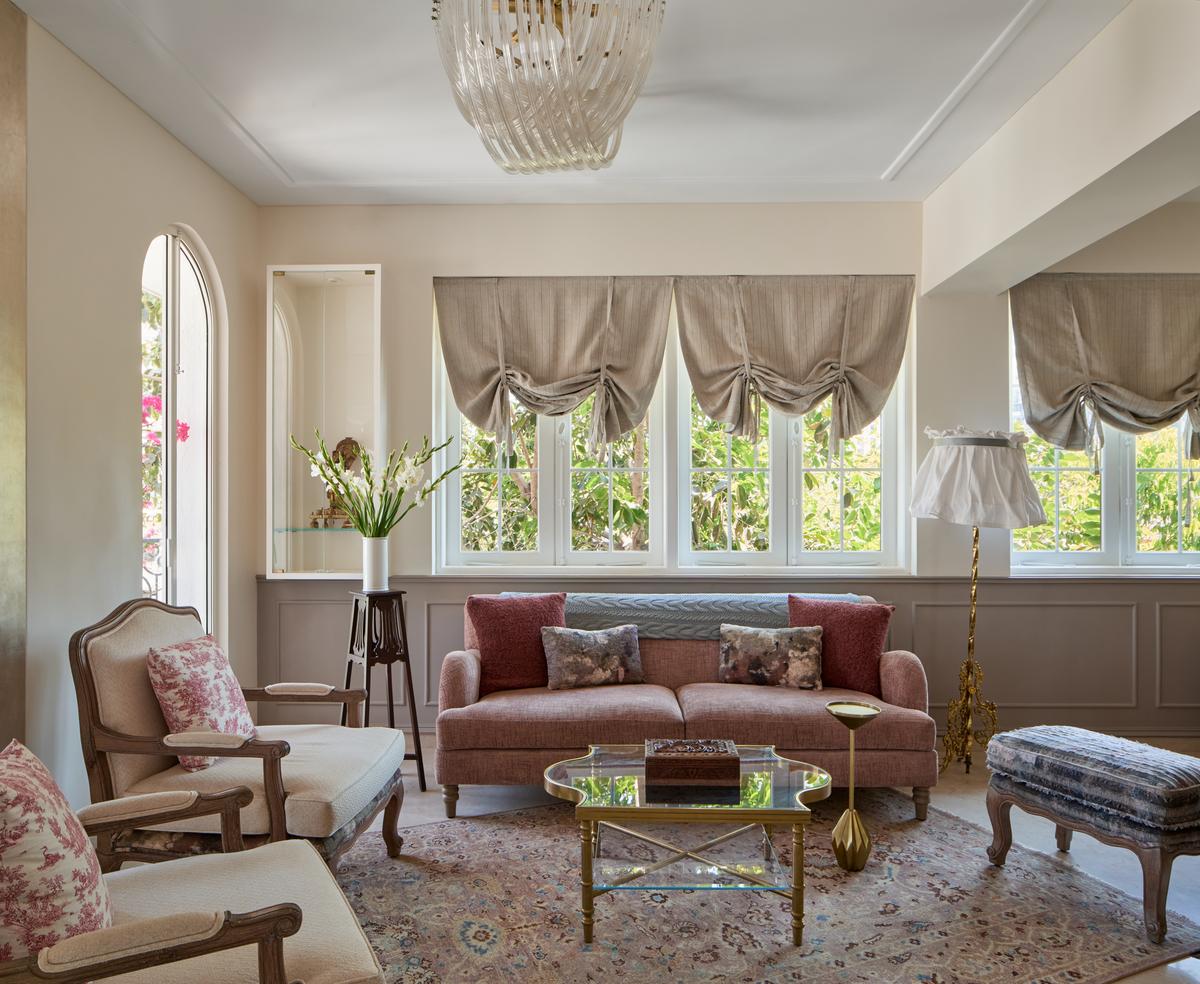
At Les Trois, the studio conjures quiet luxury through muted tones, floral accents, and a vintage-esque demeanour. Styling: Samir Wadekar.
| Photo Credit:
Talib Chitalwala
The vision ahead focuses on softness, nuance, and the power of atmosphere. Noorein Kapoor, of her namesake studio, understands this all too well, known for her ability to weave thoughtful simplicity and expressive sophistication into the spaces she designs.
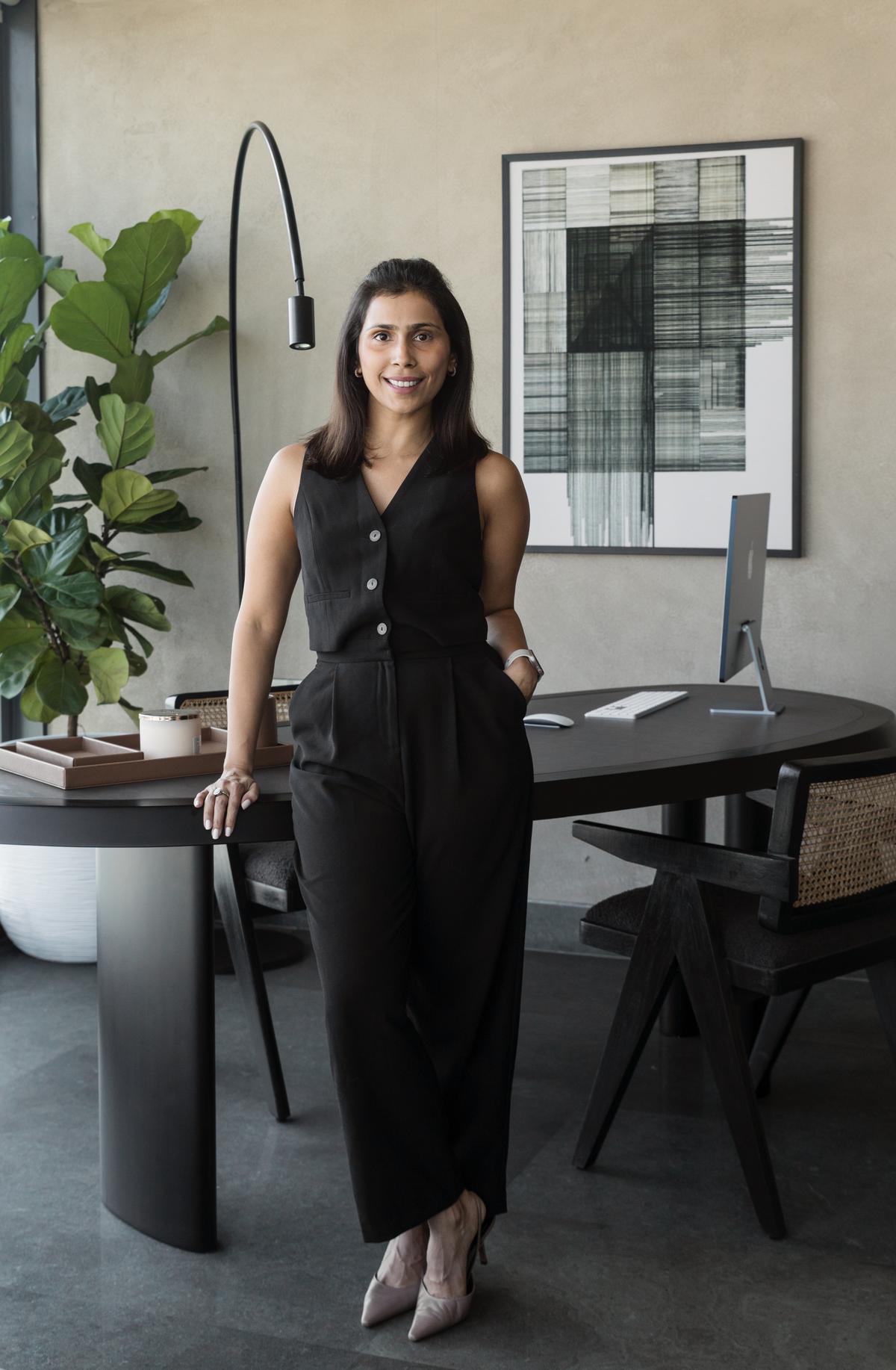
Noorein Kapoor.
| Photo Credit:
Pulkit Sehgal
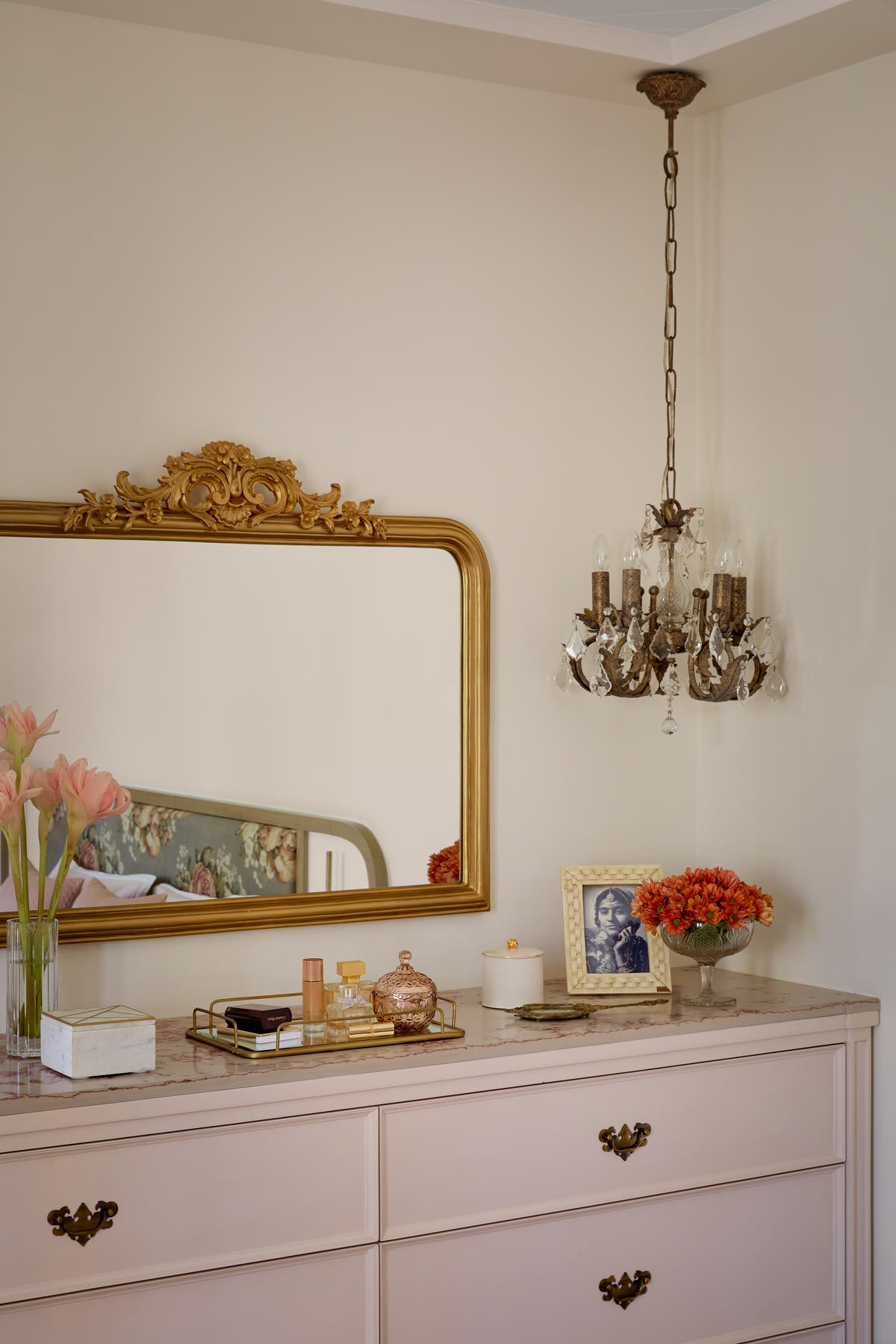
Objects play a sentient role in Kapoor’s take on restraint, creating a transportive visual. Styling: Samir Wadekar.
| Photo Credit:
Talib Chitalwala
Kapoor states, “For me, quiet luxury in 2026 is about restraint and intention. It’s the kind of luxury you feel rather than immediately notice — understated craftsmanship, well-considered proportions, and details that sit effortlessly within a space. Nothing feels performative.” Kapoor achieves this in the spatial realm through tonal layering, keen detailing, and a balance between ornamentation and comfort.
Personal by design
Mehek Malhotra – Giggling Monkey Studio, Mumbai and Dehradun
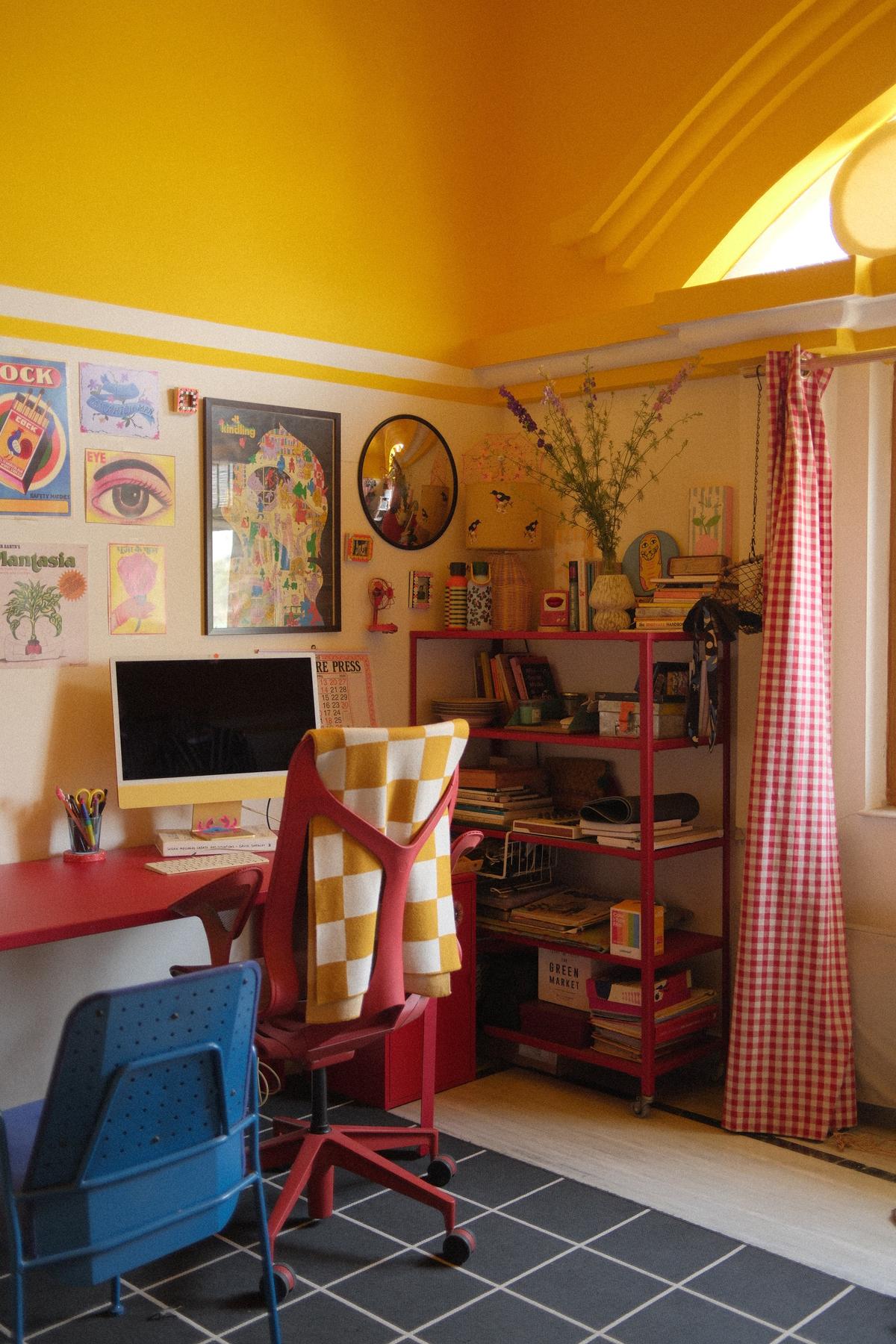
A sunny, canary-hued ceiling energises the interiors of Mehek’s home office, doubling the presence of light within.
| Photo Credit:
Giggling Monkey Studio
A candy cane-esque vinyl tent, canary ceilings that bottle the warmth of a dozen suns, and a tiger chair where her cats perch — art director Mehek Malhotra’s Dehradun rental will make you question whether you have truly let colour into your life. “With a family dedicated to service in the Army, we moved often. Reimagining the things we owned in new contexts was hardwired into our mindset. Lean into what may be your version of clutter: thrifted objects, collected trinkets, fabrics, the works,” Malhotra avers.
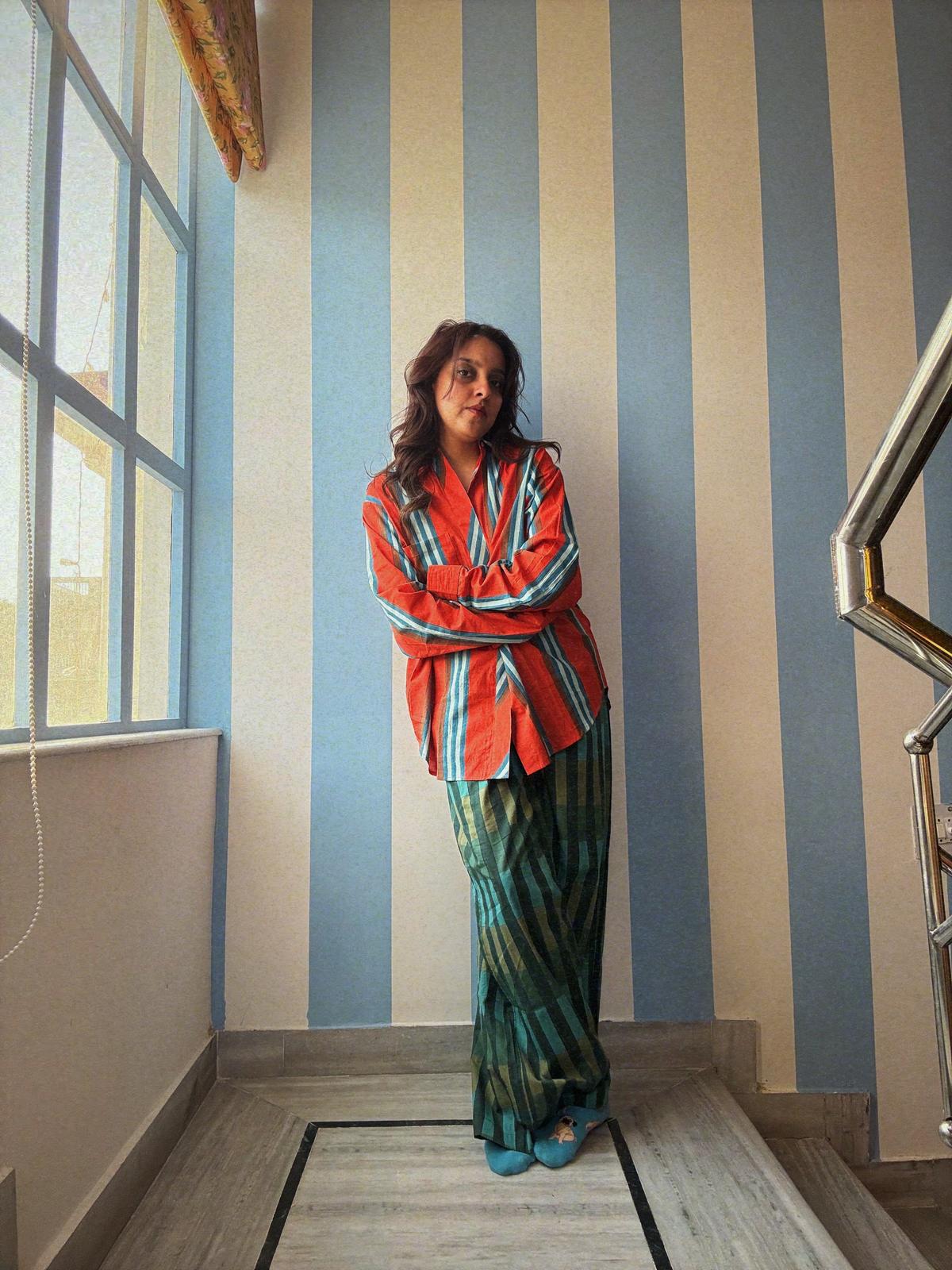
Mehek Malhotra.
| Photo Credit:
Giggling Monkey Studio
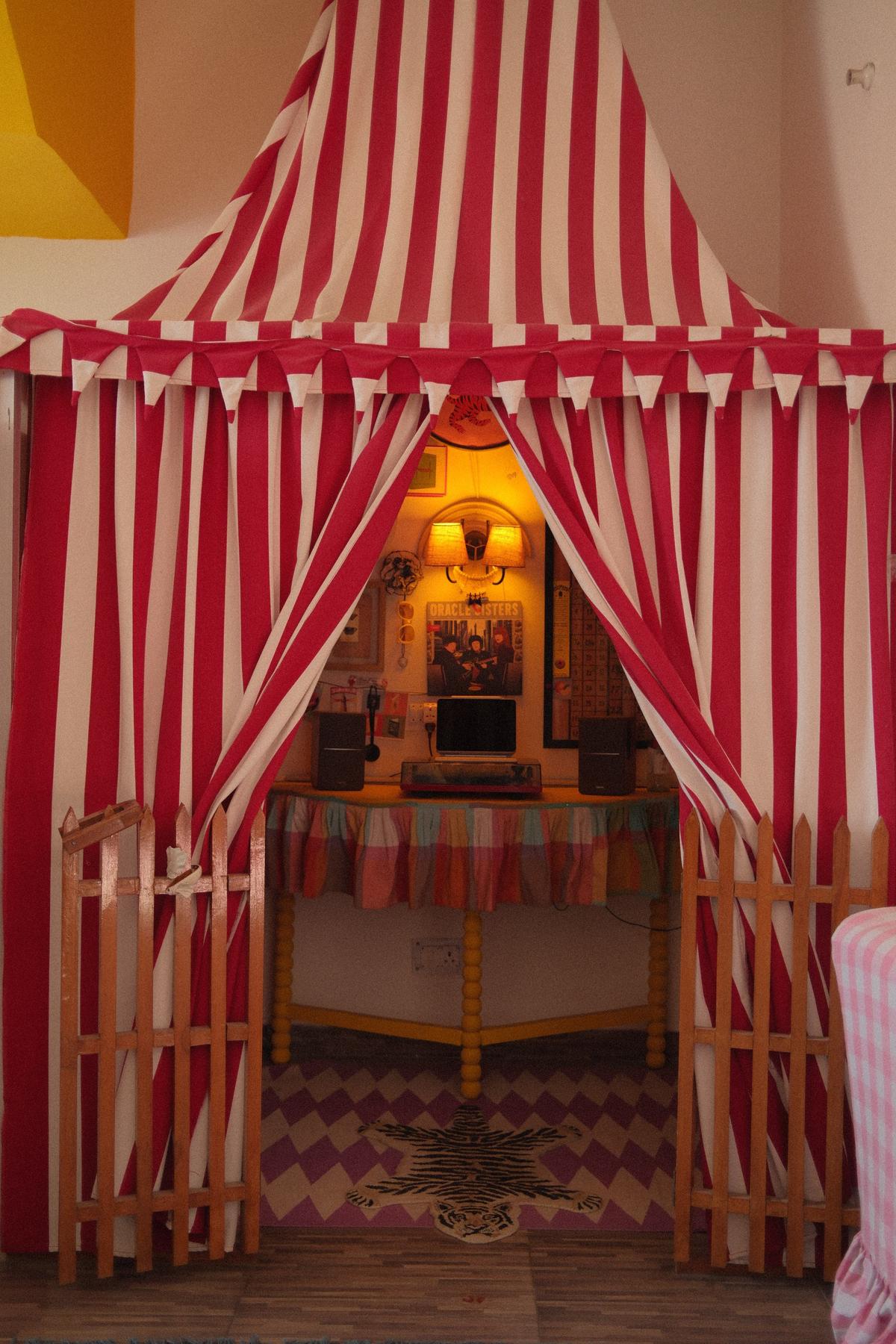
A whimsical, striped vinyl tent blurs the typical boundary between inside and outside at Malhotra’s Dehradun rental.
| Photo Credit:
Giggling Monkey Studio
“Owning a home is a distant dream for most young Indians. Live the best you can and while you can! Bring out the good dinner plates, or whatever your version of small pleasures is. Mine is probably a giant tent inside my home,” chimes Malhotra.
Pantone tints
Aashni Kumar – Aashni Kumar, Mumbai

A Home in the Clouds is Aashni’s take on the elevated omnipresence of white tones. Styling: Samir Wadekar.
| Photo Credit:
Suleiman Merchant
On the heels of its announcement as Pantone’s Colour of the Year, Cloud Dancer has sparked divergent reactions. Aashni Kumar, founder of her self-titled design practice, sees promise in this choice, and her portfolio of minimalist and immersive projects makes the case.
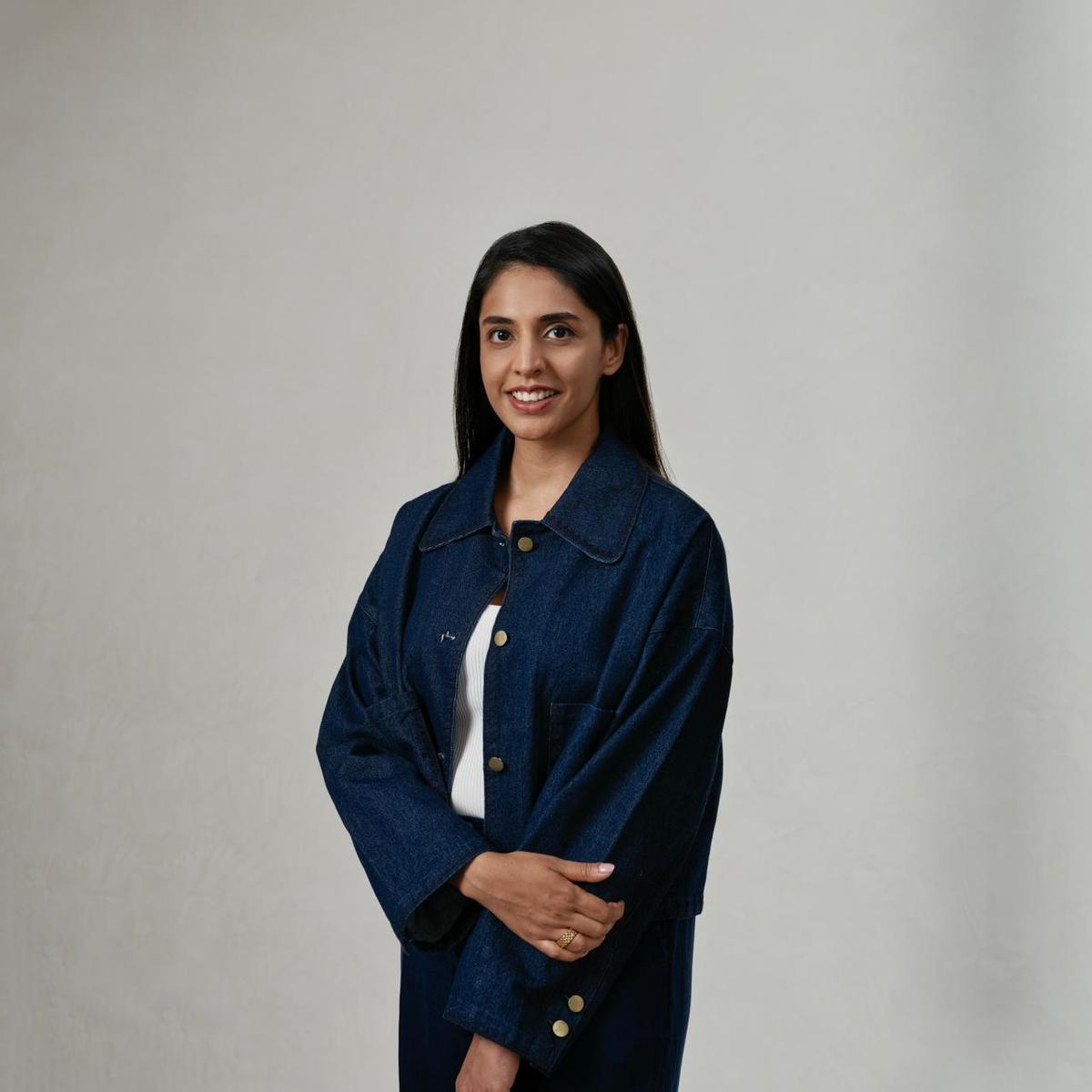
Aashni Kumar.
| Photo Credit:
Suleiman Merchant
“I think this is a colour that demands careful consideration in terms of creating a space. You walk that fine line of ensuring that the room is not left without a soul, but in fact is given a sense of softness,” Kumar highlights.
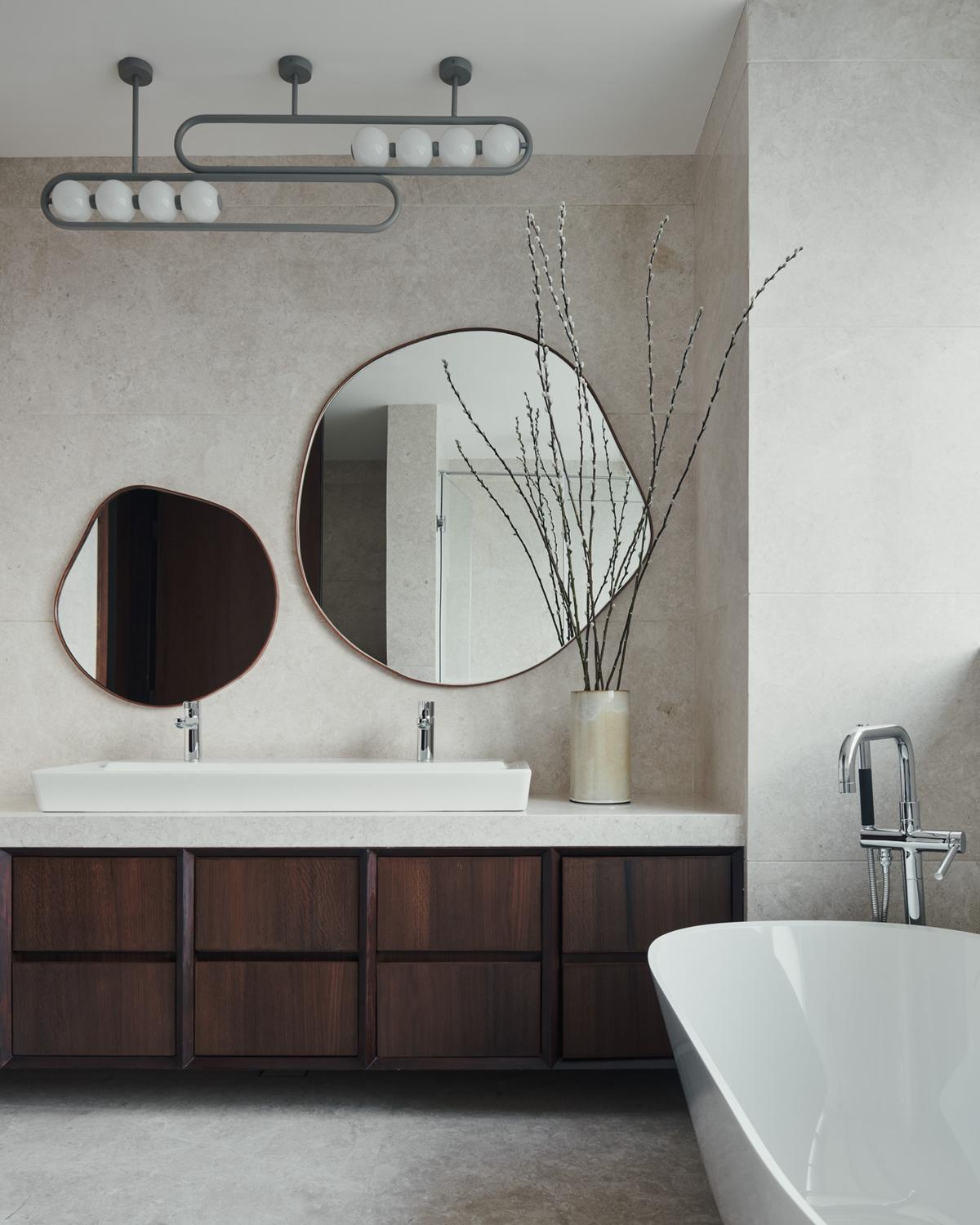
The bathrooms in the residence serve as sanctuaries of zen, revelling in the versatility of white. Styling: Samir Wadekar.
| Photo Credit:
Suleiman Merchant
She sees the colour harbouring the potential to drastically transform the mood of spaces. Kumar illustrates, “I find it exciting to use across various material choices, whether it be wood, metal or marble, since a colour like this will reflect differently across many textures.”
The writer is a trained architect and design specialist working across architecture, interiors, and the built environment.


