A popular Aussie burger joint has gone bust after almost a decade serving customers, crumbling after lockdowns and now a cost of living crisis.
Inner-city Melbourne burger joint Gorilla Grill went into liquidation this week after shutting its doors in April.
The business, officially known as TDV Pty Ltd, has reportedly accrued debts of $200,000, according to liquidator and director of APL Insolvency Jeremy Abeyratne.
Mr Abeyratne told The Daily Mail Australia the small business was a victim of back-to-back crises: first, Melbourne’s record Covid-19 lockdowns, and then devastating inflation.
“The explanation they’ve largely given is that pretty much from the start of Covid, they’ve been struggling,” he told the news outlet.
“They’ve sort of hung on through Covid – it basically started hitting and things just started getting worse.”
The liquidator said Gorilla Grill “probably hung on longer than they should’ve” but finally reached a point where it could not go on.
“This is a big Covid hangover,” Mr Abeyratne continued.
“They’re not unusual in that regard, we’ve seen lots of business with that sort of explanation.”
It is understood Gorilla Grill does not owe its staff any wages.
Gorilla Grill started as a food truck in 2014, quickly gaining a cult following for its Asian-inspired tacos, ribs, and American-style burgers before establishing a sit-in restaurant at
Maribyrnong.
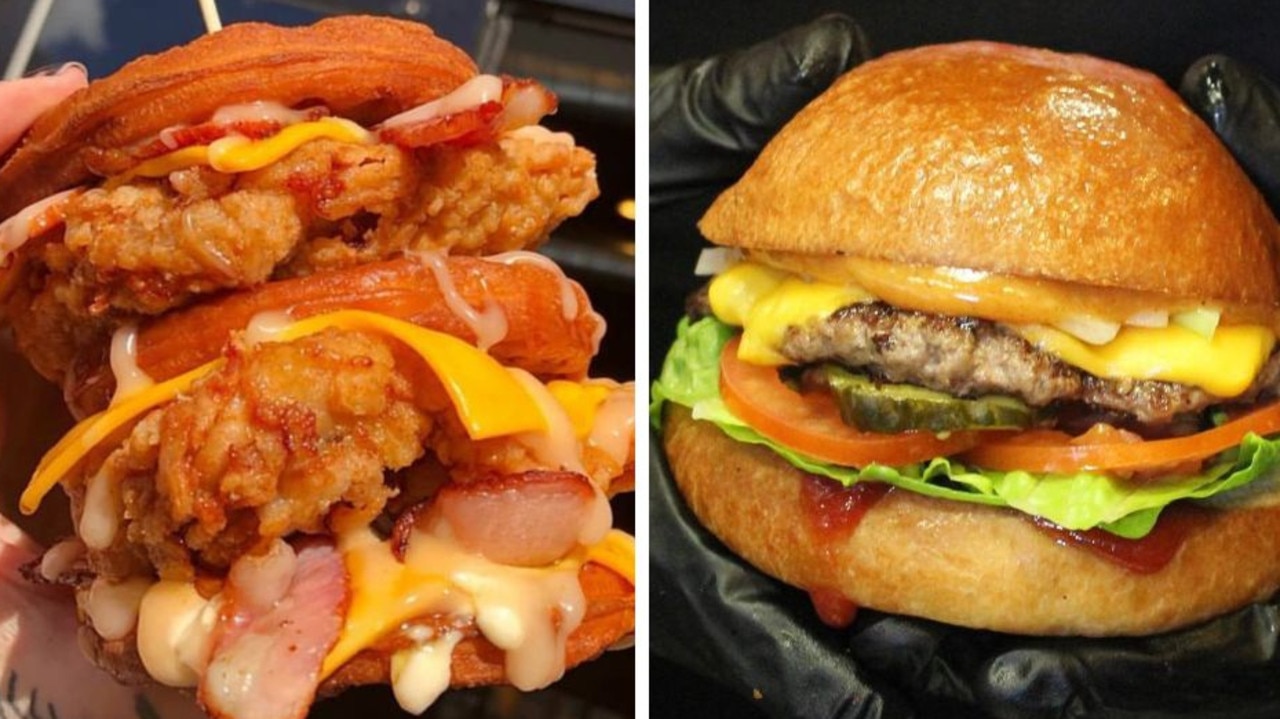
The menu included fried chicken ribs, Kimcheese fries, and a massive selection of overflowing, and towering burgers – including its Custom King Kong burger with three beef patties and pork belly.
Gorilla Grill is the latest in a rapidly growing number of Australian businesses facing and eventually collapsing in the last 12 months.
Insolvency rates are almost double what they were a year ago. Data from the Australian Securities and Investments Commission shows there were 906 insolvencies in October 2023 – up from 473 in October 2022.
So far this financial year, 3401 Australian companies have entered external administration. In the 2022-2023 financial year, 7942 businesses entered voluntary administration – the highest number since the 2019-2020 financial year (when there were 7362 insolvencies).
The data comes even as the Reserve Bank continues to blame consumers for “homegrown” inflation.
Earlier this week, in an address to the Australian Business Economists network in Sydney, RBA governor Michele Bullock said Australia’s cost of living crisis was driven mostly by local inflation.
Ms Bullock singled pointed to labour-intensive services like dentistry, hairdressing or hospitality for their quickly-rising prices, saying that Australia’s demand for such goods and services was continuing to outstrip their supply.
She said the rising costs of services is “typically driven by the price of domestic inputs”, contrary to long-running reasoning that supply-side factors, and those outside Australia’s borders, were key to driving inflation.
“Hairdressers and dentists, dining out, sporting and other recreational activities — the prices of all these services are rising strongly,” Ms Bullock said.
“This reflects domestic economic conditions and is an indication that aggregate demand is sufficiently greater than aggregate supply to sustain these price increases. The cost of these services is also typically driven by the price of domestic inputs.”