Smart glasses could secretly photograph, film or record audio of people and confidential material
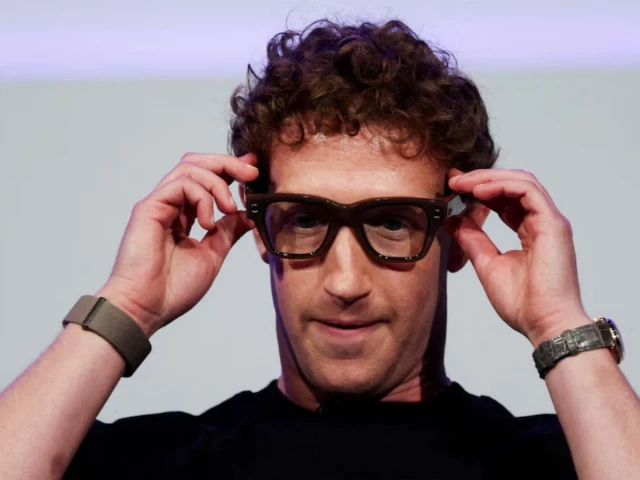
Meta CEO Mark Zuckerberg wears the Meta Ray-Ban Display glasses, as he delivers a speech presenting the new line of smart glasses, during the Meta Connect event at the company’s headquarters in Menlo Park, California, U.S., September 17, 2025. REUTERS
Governments, courts and companies are considering restrictions and reviewing existing rules on smart glasses amid worries that the technology, popularized by Meta’s Ray-Bans, could be used to photograph, film or audio-record confidential materials or people without their knowledge.
Australia
The federal government said in September it was considering barring the use of camera-equipped smart glasses in government workplaces due to privacy and security concerns.
Public Service Minister Katy Gallagher asked the country’s Public Service Commission for advice on whether their use should be prohibited and what exemptions might be required.
Britain
Courts in England and Wales have prohibited the use of Meta smart glasses because of restrictions on taking images and videos in courts.
Read More: Italian court delays ruling in Meta, TikTok social media case pending government curbs
British cinema operators are also introducing policies to prohibit or restrict camera-enabled smart glasses, the UK Cinema Association said in August.
European Union
Smart glasses have attracted scrutiny from European privacy regulators and some lawmakers, and the European Data Protection Board has commissioned a report into their “social acceptability”.
Member of the European Parliament Veronika Cifrová Ostrihoňová also urged the European Commission, which has not proposed legislation specifically targeting smart glasses, to consider possible action.
Netherlands
The Netherlands’ privacy watchdog AP has advised consumers to not buy smart glasses, saying they are unsafe for both users and bystanders, after studying six types available in the Dutch market.
The agency, which cannot independently impose a blanket ban on smart glasses, said concerns with such devices extend beyond privacy to include safety risks and software vulnerabilities.
Norway
The government said it planned to propose a temporary ban on the use of AI glasses in places where the public regularly gather, such as parks, beaches, museums, shopping centres and public events.
Norway’s capital Oslo banned smart glasses in schools in August.
United states
New York’s Unified Court System banned smart glasses from all its court facilities from July 20. The rule covers prescription and non-prescription eyewear or headwear containing cameras, microphones, computers or other technology capable of recording video or audio. Visitors carrying them must hand them over to court personnel for safekeeping before entering.