

Australians need the Voice to be a brick, not a piece of paper – that’s the argument about the referendum that has taken TikTok by storm in recent months.
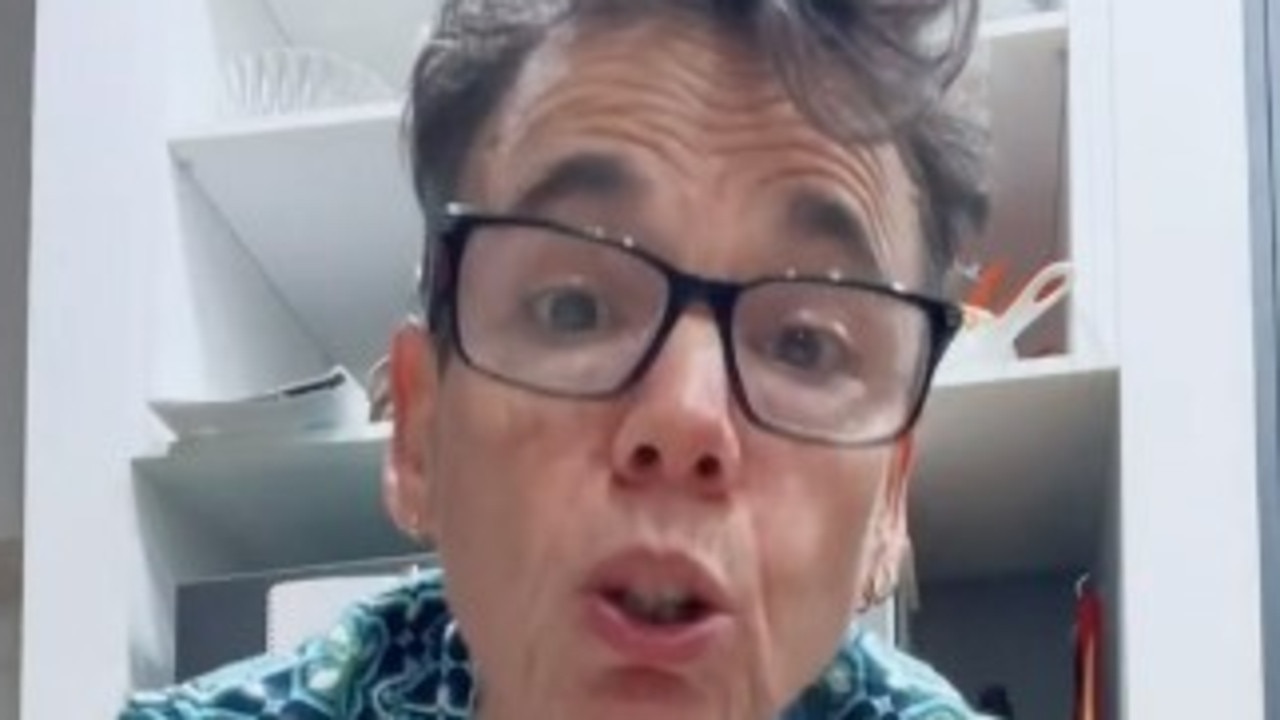
The simple video, posted back in April by Victorian Trades Hall Council assistant secretary Wil Stracke, broke down the argument for the Voice to parliament.
She held up the name of each previous iteration of an Indigenous advisory body on a piece of paper, quickly tearing through them.
The Voice, Ms Stracke said, was like the Constitution: a brick.
“Unlike all the other laws, the Constitution can’t be changed by the government,” Ms Stracke said in the video that has since been viewed more than 540,000 times.
Australians will head to the polls to cast their vote to enshrine the advisory in the Constitution on October 14.
Voters will be asked to vote yes or no to a single question: A Proposed Law: to alter the Constitution to recognise the First Peoples of Australia by establishing an Aboriginal and Torres Strait Islander Voice. Do you approve this proposed alteration?
The referendum to establish the Voice will be the fourth attempt in 50 years to establish a body to advise the federal government.
First, there was the National Aboriginal Consultative Committee. The National Aboriginal Conference followed.
The longest surviving was the Aboriginal and Torres Strait Islander Commission, which lasted from 1990 to 2005 before being dismantled.
Professor Elisa Arcioni, a leading scholar of constitutional identity at The University of Sydney, said the referendum was designed to avoid political whims.
But she stressed that while the idea of the Voice would be enshrined, the government of the day could make tweaks to the model of the body if the referendum passed.
“It’s only the existence of the Voice and its role in making representations that is protected in the Constitution,” Professor Arcioni said.
“Parliament will have the power … to make and change details about the Voice, so parliament gets to choose the details but it can’t just get rid of it as an institution.
“And it can’t stop it from making representations.”
Professor Anne Twomey, one of Australia’s leading constitutional experts, said enshrining the Voice meant it would not be regulated to a document that “few people read”.
“The vote of the people in a referendum imposes pressure on politicians to make the system work and improve outcomes for Indigenous Australians,” she said.
Professor Arcioni said the Voice, if successful, would be established in a similar manner as other institutions named in the Constitution, like the High Court or even the parliament itself.
“So the Constitution says there will be a Supreme Court to be called the High Court,” she said.
“But then you had to wait for the High Court Act and the Judiciary Act to be passed by parliament to actually set up that institution and to set up how many judges, how they’re going to operate etc.”


