ISLAMABAD:
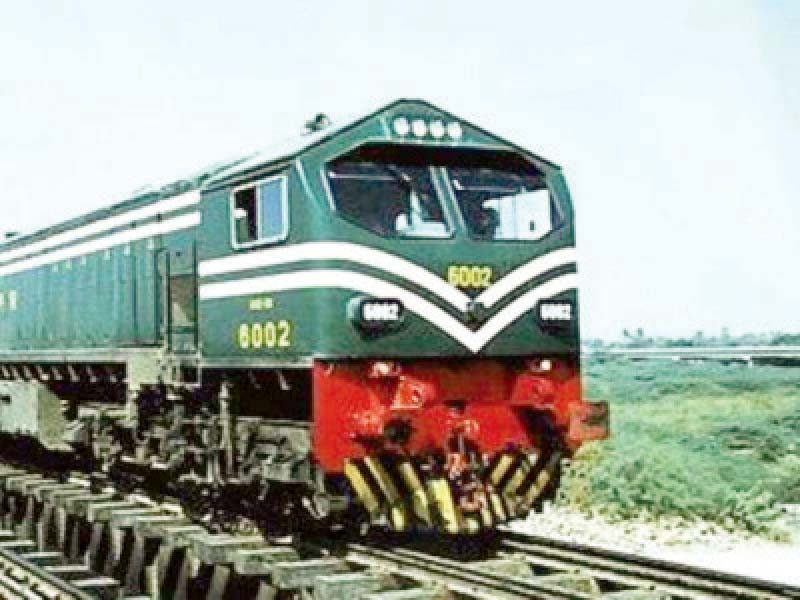
The Economic Affairs Division (EAD) has advised the government to go slow in finalising a financing agreement for nearly $6 billion in Chinese loan for the Mainline-I (ML-I) project of the China-Pakistan Economic Corridor (CPEC) aimed at avoiding complications in implementation of the mega scheme.
The advice came amid serious objections raised by the deputy chairman of the Planning Commission against bypassing the commission in revising downward the project cost, according to sources privy to the developments. These issues were raised during a meeting held to review the status of the ML-I project a few days ago.
Pakistan and China have agreed to revise downward the cost of the ML-I project to $6.67 billion, a reduction of $3.2 billion, or one-third, through a reduced scope and design aimed at making it commercially viable. However, all those changes were made without taking approval of relevant forums.
Pakistan expects 85% of the project cost, or about $5.8 billion, in Chinese loan. Beijing wants to first finalise the financing agreement and then start bidding process. But the sources said that EAD officials opposed the finalisation of financing terms before completing other requirements.
They have instead asked the government to first arrange bidding for the award of contract to a Chinese firm, then sign a commercial deal and then finalise the financing agreement.
A few years ago, Pakistan finalised financing terms of a strategic project even before the commercial contract and EAD was now facing problems from the audit department, they added. Officials of the railways ministry informed the Planning Commission that during a recent visit of a Chinese delegation, the Chinese sought more clarity on ML-I financing and also demanded clarity on tax exemptions.
Pakistan has assured China that all concessions and exemptions available to other CPEC projects will also be extended to ML-I. However, Beijing has raised the issue of a new withholding tax, they added. But the EAD officials have advised the government to show some patience and let other contract details be finalised.
The railways ministry officials were of the view that China wanted Pakistan to continue loan negotiations in parallel with the completion of other formalities.
China is reluctant to begin the tendering process until financing terms are finalised, according to the officials. Beijing wants to build these policy decisions in bidding documents.
Read: Pledge to expedite Gwadar, ML-1 projects lauded
Pakistan and China had begun financing negotiations in November 2020 for the largest CPEC project. Pakistan requested a loan for a period of 25 years with a 10-year grace period and at 1% interest rate. It also proposed debt equal to 90% of the project cost and the financing was requested both in the US currency and Chinese renminbi (RMB).
China instead proposed lending in RMB, debt ratio of 85% and repayment period of 15 to 20 years.
Pakistan is ready to accept the loan in RMB because of a steep US currency depreciation and reducing reliance on the dollar. But the EAD officials told the Planning Commission that it would formally move forward only when there was a commercial agreement for ML-I, said the sources.
Sources said that EAD had also sought a viable business plan from Pakistan Railways before it moved an application for the Chinese loan. Senior EAD officials were of the view that the financial situation of autonomous bodies was pretty bad and they did not have sufficient resources to finance their debt.
There were also divergent views on the financing terms. The EAD officials were of the view that Pakistan should persuade the Chinese to give a concessionary loan in line with the strategic nature of the project, described in the framework agreement.
Sources said that the deputy chairman of the Planning Commission had objected to ignoring the commission in the process of reducing the scope and cost. Changes in the design, scope and cost have been made without prior consultation with the Planning Commission, he said during a recent meeting.
Published in The Express Tribune, December 6th, 2023.
Like Business on Facebook, follow @TribuneBiz on Twitter to stay informed and join in the conversation.