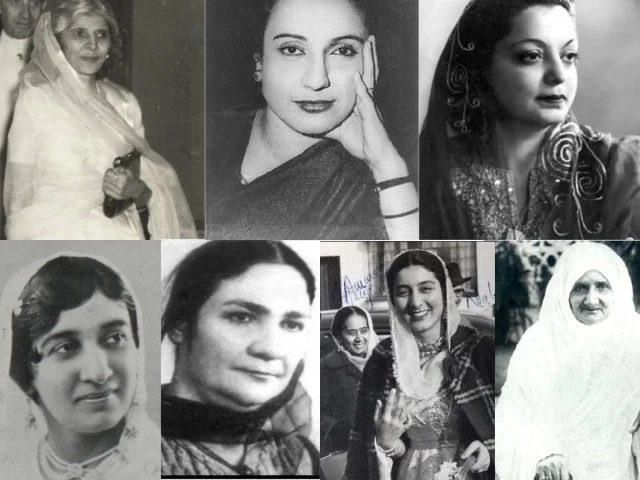
Beyond political rallies and campaigns, these women organised relief efforts, pushed for women’s rights
When the story of Pakistan’s independence is told, it is often framed around the men who stood on political platforms, negotiated with the British and drew the boundaries of a new country. But behind and sometimes directly beside them, stood women who organised rallies, raised political awareness, campaigned for votes, challenged social conventions, helped refugees, and insisted that the creation of Pakistan must also mean a greater public role for women.
Among the many names, here are a few names that stand out.
Fatima Jinnah
Photo: APP
Fatima Jinnah is perhaps the most recognisable woman of the Pakistan Movement, but her importance went far beyond being Muhammad Ali Jinnah’s sister.
Working closely with her brother and helping organise Muslim women politically, Fatima Jinnah became a central figure in the Muslim League’s activities. She represented something new: a Muslim woman appearing in public political life at a time when this was socially difficult.
Her presence also carried a powerful message, as her brother did not present the creation of Pakistan as a project for men alone. Fatima Jinnah’s public role demonstrated that women had a place in the political future of the country.
After Partition, her work changed direction but not purpose. Fatima Jinnah became involved in relief and rehabilitation for refugees and continued advocating women’s participation in national life.
Abadi Bano Begum
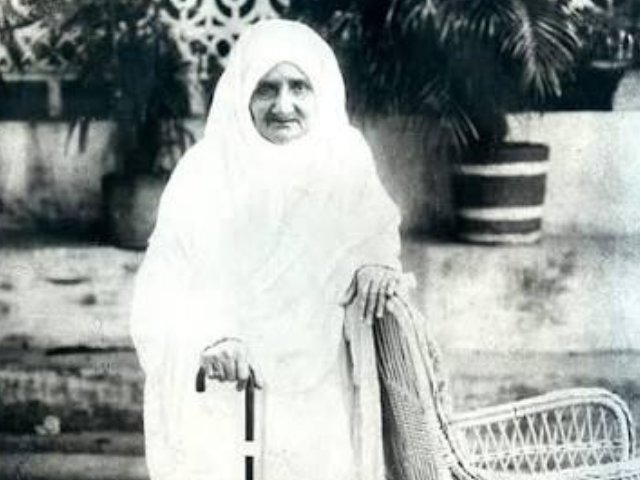
Photo: New Age Islam
Long before Pakistan became a political demand, Abadi Bano Begum, better known as Bi Amma, demonstrated that Muslim women could become political voices.
The mother of Maulana Muhammad Ali Jauhar and Maulana Shaukat Ali, Bi Amma became active during the Khilafat Movement. At a time when political activism was considered unconventional for many Muslim women, Bi Amma addressed gatherings and encouraged people to support the struggle against British rule.
Her importance to the Pakistan story lies partly in what she represented. Before women were marching for Pakistan, women such as Bi Amma had begun breaking the barrier between the home and the political arena, helping establish a precedent: political consciousness was not exclusively a man’s responsibility.
Begum Jahan Ara Shah Nawaz
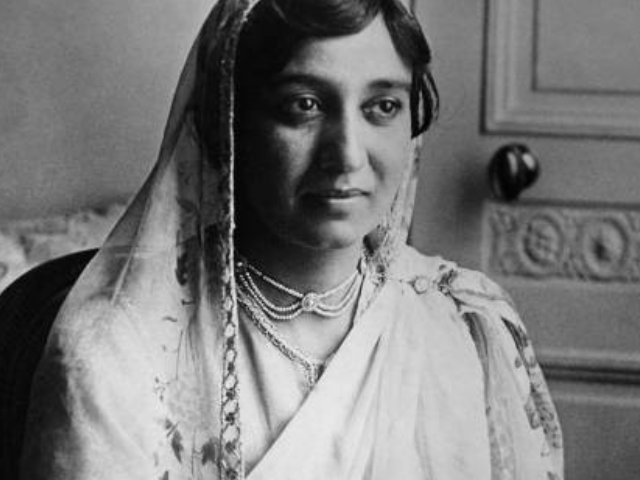
Photo: Getty Images
Begum Jahan Ara Shah Nawaz belonged to a generation of women who did not simply support the Pakistan Movement from the sidelines but helped shape Muslim political organisation.
She was active in Muslim League politics, campaigned among women and participated in the political mobilisation preceding the partition. During the tense years of 1946–47, Muslim League women were arrested during protests in Punjab, demonstrating just how far their political involvement had moved beyond drawing-room activism.
Begum Jahan Ara’s political career also stretched back before Pakistan. She participated in the First Round Table Conference and advocated against discrimination on the basis of sex in political status, government service, business and professions.
After independence, she became one of the two women in the first Constituent Assembly and continued pushing for women’s legal and political rights. Her work with Shaista Ikramullah helped place women’s rights on the agenda of the new state.
Fatima Sughra
Screengrab: Lahore Museum
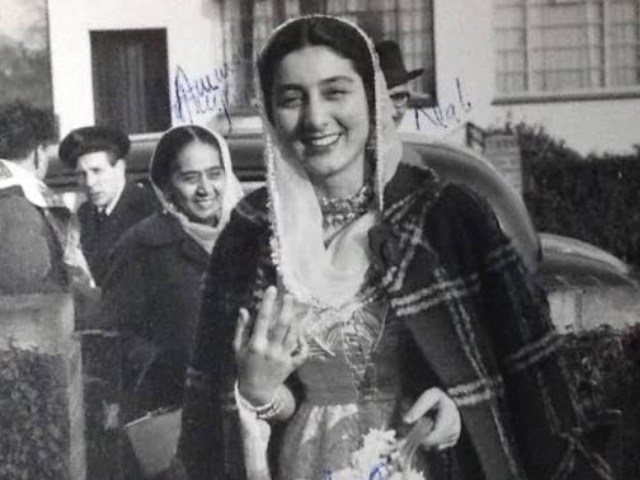
Fatima Sughra was only 14 when she climbed onto the Punjab Civil Secretariat in Lahore in 1946 and replaced the British Union Jack with the Muslim League flag. What might have been an impulsive act by a teenager became one of the most memorable acts of resistance associated with the movement.
Her story mattered particularly because it showed that political courage was not confined to established leaders.
Lady Abdullah Haroon
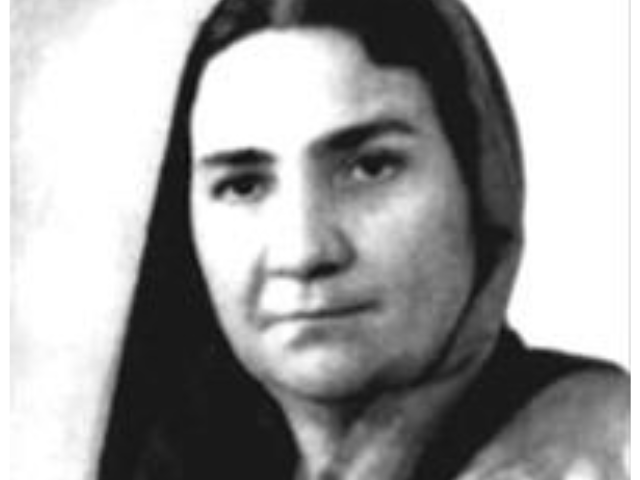
Photo: Alchetron
Born Nusrat Khanum, Lady Abdullah Haroon became one of the important organisers of Muslim women in Sindh.
She supported the Khilafat Movement and was deeply interested in women’s education. She established a school at her home and founded Anjuman-i-Khawateen, an organisation concerned with the social and economic welfare of Sindh’s women.
Lady Haroon’s political contributions became especially important when she helped raise political awareness among Sindhi women and worked to mobilise support for the Muslim League during the 1946 elections.
She also travelled beyond Sindh to help organise women in the Frontier, working for Pakistan while simultaneously creating spaces in which women could become politically active.
Begum Shaista Suhrawardy Ikramullah
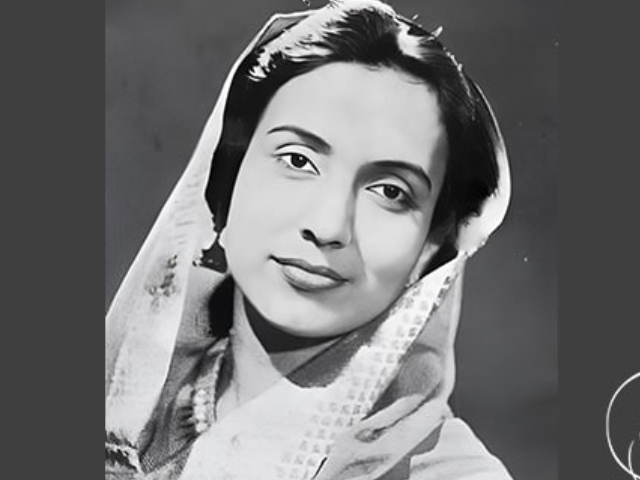
Photo: NCRI Women Committee
Shaista Ikramullah became one of the first Muslim women of her generation to move into public intellectual and political life. Before she joined Muslim League politics, she became the first Muslim woman to receive a doctorate from the University of London.
In 1946, she was elected to the Central Constituent Assembly, and after partition became one of only two women members of Pakistan’s first Constituent Assembly.
In 1948, she represented Pakistan at the United Nations. During discussions surrounding the Universal Declaration of Human Rights, she argued for freedom, equality and women’s rights, and advocated for what became Article 16, concerning equal rights in marriage.
Begum Ra’ana Liaquat Ali Khan
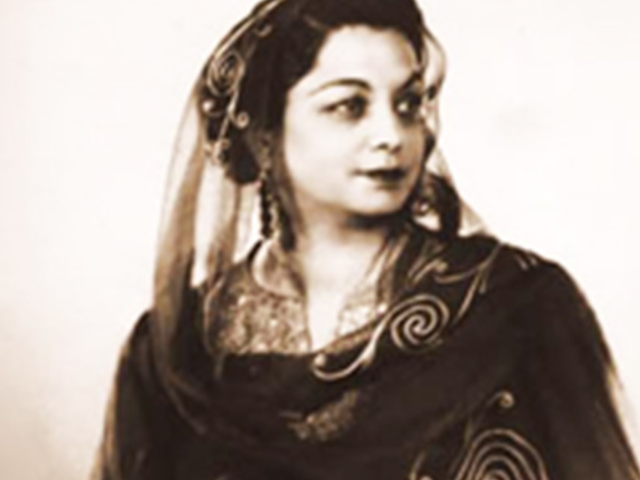
Photo: Herald Magazine
If the Pakistan Movement needed women to mobilise people, the new country needed women to build institutions. Begum Ra’ana Liaquat Ali Khan took up that challenge.
During and immediately after partition, she was involved in helping women and children affected by the refugee crisis. In 1949, she brought together women from across Pakistan and helped establish the All Pakistan Women’s Association (APWA), focusing on women’s social, educational and economic welfare.
She also believed women should be prepared to serve their country in practical ways. The Pakistan Women’s National Guard and Women’s Naval Reserve were established under her leadership, with women trained in first aid, food distribution, health work and other forms of emergency assistance.
The most interesting part of these women’s stories is that their contributions did not end when the Union Jack came down. The women of the Pakistan Movement had already changed the boundaries of what was considered possible; they had entered political meetings, stood in demonstrations, campaigned during elections, endured arrest, organised relief and spoken about women’s rights.