Euphoria over AI had carried global stock indexes beyond the highs of 2025, but has lost steam since
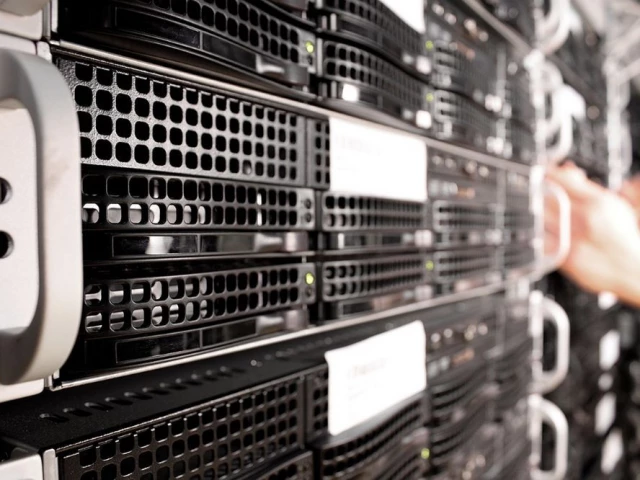
A view of data center servers. PHOTO:PIXABAY
Massive investments in artificial intelligence that underpinned record runs in equities face a major hurdle as the Middle East crisis clouds prospects for growth and energy costs, said Melissa Otto, head of research at S&P Global Visible Alpha.
Before the Iran war broke out, tech giants Microsoft, Amazon, Alphabet and Meta planned to spend about $635 billion on data centres, chips, and other AI infrastructure in 2026, S&P Global has said.
Read: Underwater data centres, AI-produced toxic proteins and the looming computer memory disaster
That figure was up from $383 billion the prior year and just $80 billion in 2019.
Although tech companies have yet to signal cutbacks in those capital investments, persistently high oil prices could force spending revisions in the first and second quarters, bringing a “really meaningful correction in all equity markets,” Otto said.
“I think if the capex numbers get pulled back, if in fact energy prices are not reflected in earnings, that could be a catalyst,” she added in an interview in Tokyo on Monday.
Euphoria over AI had carried global stock indexes beyond the highs of 2025, with bright hopes for the trend to run further, but it has lost steam since the conflict.
Read More: OpenAI drops AI video tool Sora, startling Disney, sources say
Tech giants collectively expected to spend at least $630 billion this year on AI. At the same time, energy costs are becoming a constraint.
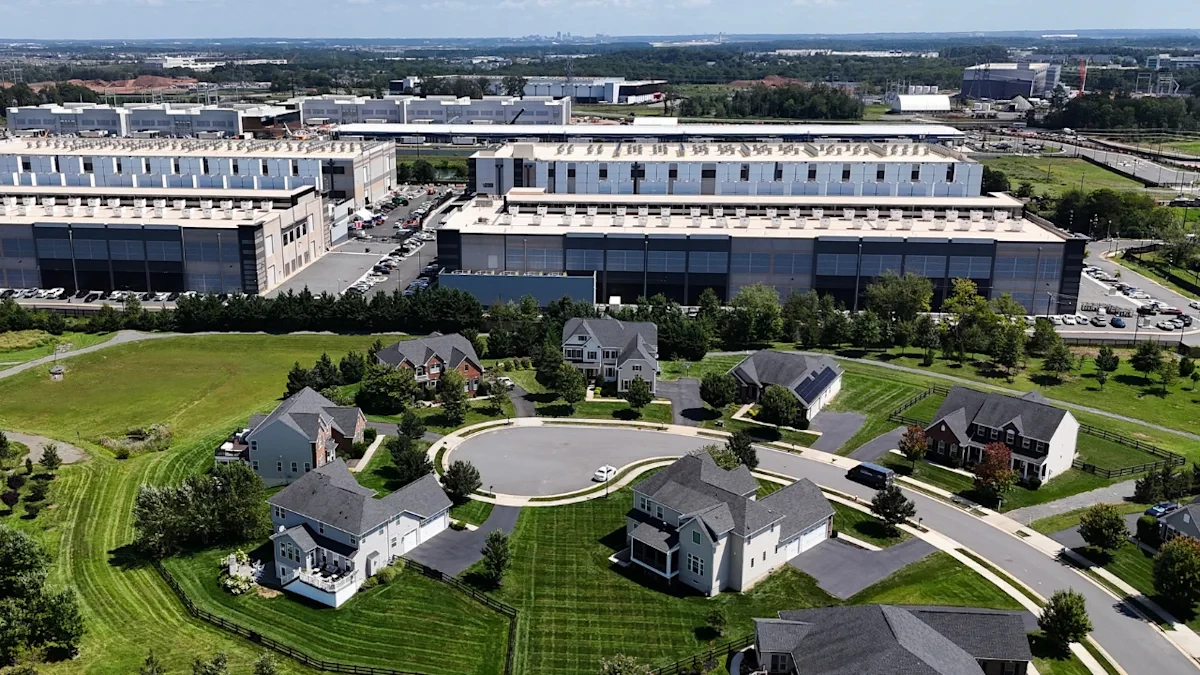
Data centres require vast amounts of electricity, making the AI dependent on power prices and infrastructure capacity.
At the CERAWeek energy conference in Houston last week, oil executives warned supply risks are not fully reflected in prices, Otto said, raising concerns about further increases with ripple effects for the global economy.
“We’re seeing this big question around global growth,” Otto added. “Because if you have energy prices jumping 30%, that’s going to hurt consumers, that’s going to hurt companies.”