Business leaders urge govt to cut fuel levies to absorb impact of rising global oil prices
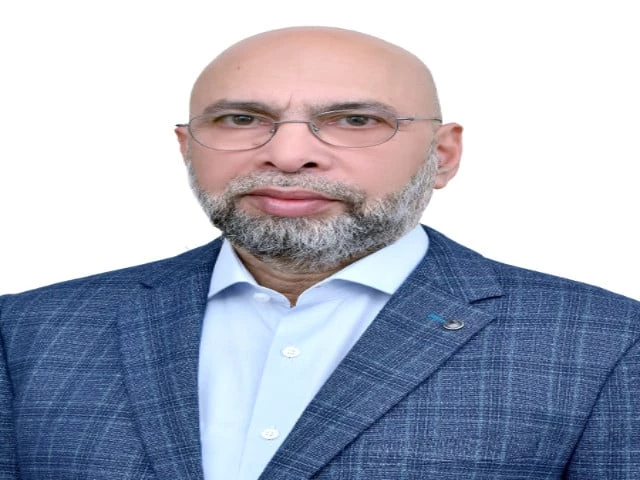
Abdul Rehman Fudda, President of the SITE Association of Industry. Photo: File
KARACHI:
Business leaders have warned that the recent increase of up to Rs55 per litre in petroleum oil and lubricant (POL) prices could intensify inflation and raise production costs, urging the government to reduce taxes on petroleum products to ease the burden on industries and consumers.
Abdul Rehman Fudda, President of the SITE Association of Industry (SAI), expressed grave concern over the extraordinary increase in POL prices amid ongoing tensions between the United States and Iran.
According to a statement issued on Saturday, he said that in the present emergency situation the government should absorb the impact of rising international POL prices by cutting petroleum taxes rather than passing the entire burden on to consumers.
He warned that failure to provide tax relief on POL would further intensify inflation and increase economic pressure on industries and the public.
Fudda said the increase would have multiple negative impacts on the country’s economy and would be detrimental to industries in particular, as it would sharply raise inflation at a time when the country cannot afford it.
He noted that higher fuel prices would significantly increase transportation costs, while the cost of industrial inputs would also rise. This would make procurement of raw materials more expensive and affect the competitiveness of several industries, particularly export-oriented units.
He added that the higher cost of essential goods would inevitably raise the overall cost of living, affecting all segments of society, particularly those living on or below the poverty line.
Fudda pointed out that the price hike had been implemented despite existing fuel stocks having been purchased at relatively lower prices.