2025 was the year of many firsts in India’s still somewhat unregulated wellness space. For starters, it was the year Novo Nordisk’s Ozempic — a medication that mimics GLP-1, a gut hormone naturally present in the body, which helps regulate blood sugar and appetite — was finally launched in India, priced at ₹2,200 for a 0.25mg dose. It was also the year that HYROX became a cultural phenomenon, with the very first edition of this global indoor fitness competition held in Mumbai on May 3, 2025. And yes, there was also a surge in high-protein products, an uptick in data-driven health solutions, and a greater focus on holistic wellbeing, among other trends.
Here is what our team of experts say about the year gone by.
The rise and rise of GLP-1 drugs
Ozempic was launched in India this year
| Photo Credit:
AFP
“People are very interested in GLP-1 now in India,” believes Dr Kiran Sethi, who has launched an integrated, clinician-guided GLP-1 protocol at the Delhi-based Isya Aesthetics. According to her, though GLP-1 drugs have been around for decades, their use as a weight loss drug is a “newer phenomenon.”
This, says Kiran, is likely to completely shift the narrative around obesity, “which is no longer being viewed, at least in Western medicine, as a disease of willpower.” When we are obese, she explains, fat cells produce different molecules that can impair weight loss, meaning that, biochemically, the body is not letting you lose weight.
“We can no longer blame people for being fat. It is not kind, fair or medically true.” Using GLP-1s to treat obesity “like the disease it is” could offer long-term benefits to people, in her opinion. “The idea of being on a medication forever terrifies people, but what they do not understand is that you don’t have to be on it forever,” she says, pointing out that these drugs are not addictive. “You can come off them whenever you want. It is really how you use the medication and not the medication itself.”.
However, Kiran adds, the medicine alone is not enough for weight loss; you still need to make better lifestyle decisions. While GLP-1s help you make those decisions more easily—its impact on gut motility, for instance, could prevent overeating—the onus is still on the individual to make the right lifestyle choices.
“You have to eat smaller quantities and won’t be able to tolerate fried food very well, so your body will naturally incline to eating smaller, healthier portions slowly,” she says. If you continue to choose to eat the way you always have, however, it may not work.
“I have patients who will take the medication, and they’ll still go and have a cheeseburger, fries and onion rings and feel sick afterwards,” says Kiran. “So yes, the medication can help you, but if you are unable to respond to those signals and moderate your reactions to them, you may not respond as well to them.”
And yes, it is important, she warns, that people understand these are prescription medicines for better health, not a vanity project. And, you cannot self-medicate. “You should be getting it through a doctor, and you have to be monitored by a doctor.”
One of the biggest issues, for instance, is that people often want to increase their dose too much, which could lead to other side effects, including the much-touted Ozempic face. “It is not a good idea. You want slow, steady weight-loss, not 10 kgs in a month.”
Protein maxxing

Protein became more popular than ever before
| Photo Credit:
Getty Images
If you have been following any health influencer on Instagram, you would know this by now: protein is in and how. India, often thought of as a protein-deficient country, is finally waking up to this global trend.
“In the last five years, the awareness has skyrocketed in India,” says Prashant Paliwal, the co-founder of Nuvie, a Bengaluru-based brand focusing on a range of protein products, including bars, shakes and coffees.
When he started his fitness journey about eight years ago, it was predominantly the weight-lifting community that obsessed over protein and mainly consumed it in supplement form, unlike today, when it is everywhere.
“You have protein in so many form factors: dosa batter, bread, biscuit, chocolate…” This segment is growing exponentially, he says. When Nuvie launched a protein milkshake in October 2024, the entire category was less than ₹30 lakhs per month. “Today, this category alone is ₹12-13 crores per month, so it is growing massively,” says Prashant, who expects the trend to continue.
His perspective is echoed by Rishabh Telang, the co-founder of Cult Fit. Prioritising protein is a good thing, he says, highlighting a recent Indian Council of Medical Research study that found that the average Indian diet, which is high in carbohydrates and saturated fat, makes us more susceptible to metabolic disease.
“I do believe that we are going in the right direction,” says Rishabh, who also believes that India’s protein market has evolved considerably. “Ten years ago, you would have been able to name just a couple of (protein) brands. Now there are so many out there, and most of them seem to be doing well.”
Rishab, however, has a caveat. While this rising awareness about protein is a good thing, it is more important to strike a balance than to over-obsess, he says. “We are overdoing the protein discussion a little, because in India, we have been protein-deficient. We need to be eating a sufficient amount of protein, but we also need other macros.”
Drawing inspiration from fitness sports
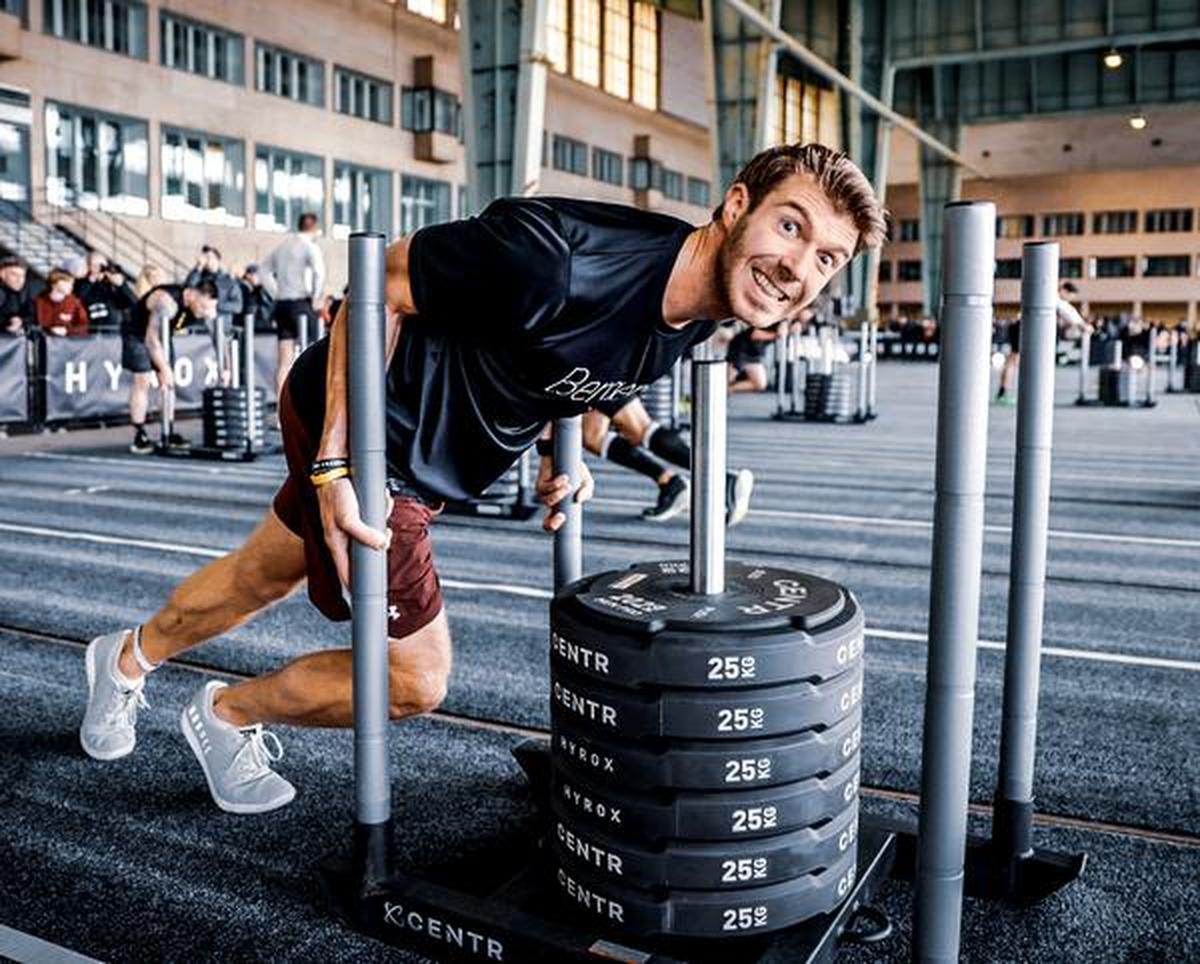
Fitness sports got more popular in 2025
While old-school gyms persist, albeit less popular than they were in the early 2000s, other trends have emerged in the larger fitness ecosystem. Perhaps the newest and most exciting, in recent times, is the rise in popularity of fitness sports, most notably HYROX events.
“Gym-going people, unlike runners, didn’t have a forum to compete, right?” says Prashant, who believes that competitiveness in sports leads to people continuing their fitness regimes. “With HYROX coming to India, this has really picked up,” he says, listing some other popular fitness challenges in the country today, including The Yoddha Race, Devils Circuit and Peakst8. “There is definitely a massive push towards this,” he says.
Cult Fit’s Rishabh, however, is a little more measured in his assessment of fitness challenges, which he sees as exciting and aspirational but still a niche category, at least in the foreseeable future.
While events like HYROX, which are social media-friendly and generate a lot of noise, attract a decent number of participants, India’s fitness penetration remains among the lowest in the world. “The good thing is these races are going to inspire people to get into fitness. However, the bigger opportunity for fitness in India is to get people to start moving first.”
The impact of technology on fitness
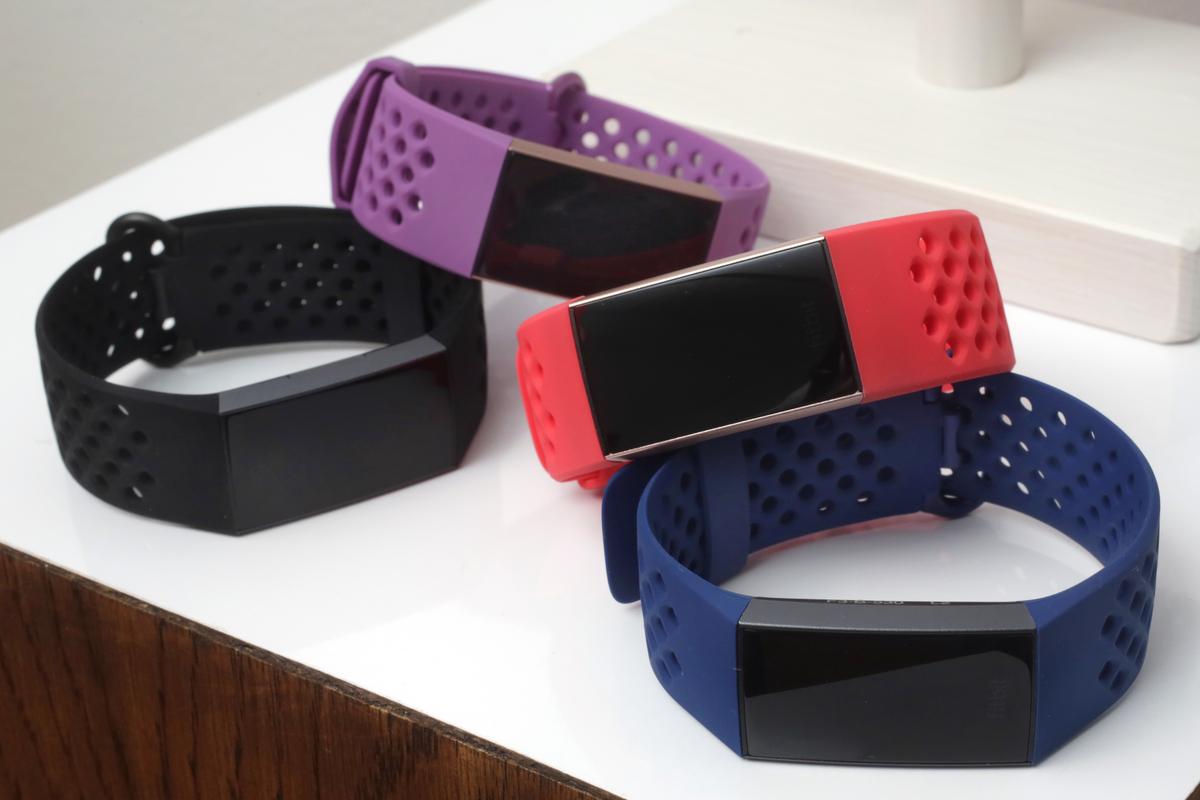
Advanced wearables are a powerful tool for monitoring and optimising athlete performance.
| Photo Credit:
AP
In 2025, online coaching continued to prosper, fitness trackers became more advanced, and countless fitness apps were introduced or upgraded. But another interesting phenomenon emerged this year: the use of AI tools like ChatGPT in the world of fitness.
“AI has made things simpler allowing people to generate a workout program using it. If an AI tool gives you something to get started with, it’s great,” agrees Rishabh, recalling a time when people struggled to get good-quality workout plans and often ended up needing to pay for a personal trainer, which is not affordable for everyone.
“Any AI tool, which gives access to a good quality workout plan that, through interaction, learns about the user and their progress, is always going to be helpful. I see this as an opportunity for the overall fitness ecosystem when more people can start working out using AI.”
He also acknowledges that a human coach will always add value to any fitness programme. “The thing about fitness is that the same person can behave very differently on different days — you may not have slept well, eaten well, had a tough day at work, hormones are here and there…anything.” A human coach, in his opinion, will be able to tweak a fitness plan by taking these factors into account.
Celebrity coach and movement expert, Suhail Mohammed, the founder of FitDistrict, Bengaluru, agrees that using technology to get fitter has both positive and negative consequences.
“Training is a touch-and-feel kind of job, and it is not as simple as saying that you will punch in my requirements and let an app or AI give me a programme because half the time, you honestly don’t know what you really want,” he argues.
In his opinion, it is essential that a professional conduct a proper assessment before developing a programme, gathering information about a client’s movement patterns, physiology, anatomy, and so on. “A general programming through an AI or app will never work because personal requirements vary so much.”
Where Suhail prefers to use technology, instead, is to monitor and optimise athlete performance. “I would not really recommend the general fitness crowd to bother too much, because you are not at performance levels with your body. You just need to get through day-to-day life, go to office, come back and make sure you do not have aches and pains,” he says.
Athletes, on the other hand, are a different story, says Suhail, who is himself using WHOOP, a health wearable that he believes is “one of the most advanced way to track with the metrics being the most accurate so far.”
Advanced wearables, he says, enable him to track athletes’ heart rate, sleep, stress, etc., regardless of where they are in the world, and help him fine-tune a programme. “Getting somebody to lose weight from 100 to 80 kilograms is way easier than getting an athlete who runs 100 meters in nine seconds to get down to 8.5. “That’s when I feel that technology has advanced and helps me coach athletes at a very precise level.”
Holistic health

Holistic health factors in physical, mental, emotional, social and spiritual aspects of wellbeing
| Photo Credit:
Getty Images
While the concept of holistic health, a comprehensive approach to wellness that factors in the physical, mental, emotional, social and spiritual aspects of wellbeing, has always been part of India’s ancient AYUSH systems, it is very much in vogue right now, not just due to encourgament from the central government, but also due to social media and the proliferation of new healthcare centres springing up across the country.
One such centre is the Delhi-based Lifeyoga, founded by Varun Veer and Tanu Singh. Health, in Varun’s opinion, is less about aesthetics and more about overall well-being. “Health is not based on your physical beauty, but on the entire system. Your body, breath, mind, wisdom, and full personality need to be healthy,” says Varun, who believes that the traditional Indian attitude towards wellness is overall more holistic.
“I see many young people joining meditation classes today because they suffer from terrible anxiety,” he says, while Tanu adds that people are now returning to their traditional foods, like millets and embracing yoga, which, she believes, heals them both physically and mentally.
“They are connecting to their roots, and that is a beautiful shift,” she feels. “We are not learning something new, but going back to something more holistic, connected and rooted.”
Rishabh agrees that there is now a focus towards holistic health and wellness, especially in evolved fitness markets like the US, where “gyms are evolving to be not gyms anymore but wellness centres where exercise is one part of it, but it is a lot more holistic,” he says. While the gym ecosystem in India has not quite caught up, “there are people who are serious about fitness and have made wellness their priority, rather than looking a certain way.”
People are talking about metabolic health, why muscle helps you age better, nutrition and sleep quality. “There is a solid trend around recovery, with many gyms including things like cold plunges and infrared saunas, that are picking up very well.”