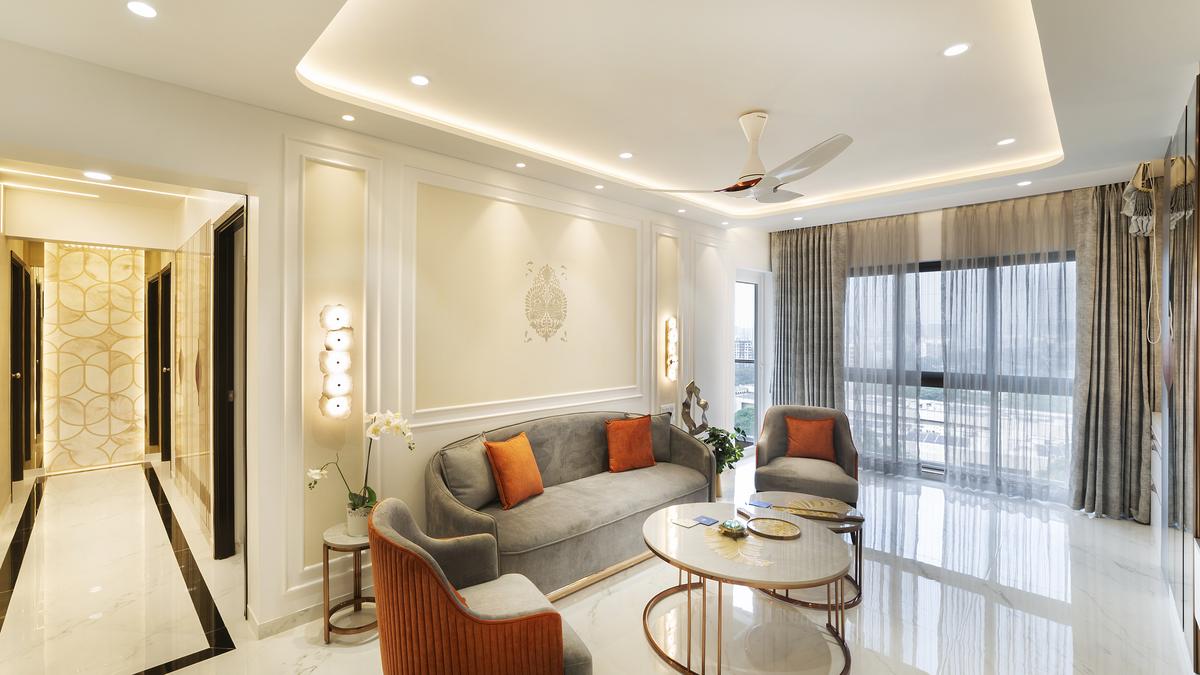
As 2025 draws to a close and we enter 2026, it is significant to note that the housing and real estate sector has been one of the most standout and transformative sectors of the past year. From a burgeoning growth in the luxury housing segment and Tier 2 cities such as Lucknow and Indore displaying record growth to an increased focus on sustainable and innovative building materials, 2025 was definitely the year when the real estate sector showed unprecedented investment. The interior design space too witnessed the emergence of trends such as colour drenching, flexible layouts, as well as vintage and retro influences.
Microconcrete flooring and subtle copper accents set the tone for a workspace built on discipline, performance and understated elegance.
| Photo Credit:
Jubin Johnson
“Premiumisation is one of the strongest trends we have observed, but it is no longer about opulence for the sake of it,” says Ganesen Viswanathan, vice president of Bengaluru-based MagickHome India. “Homeowners are choosing premium where it adds real value. Think better finishes, smarter storage, superior hardware and cleaner detailing. Interiors are increasingly being planned around individual needs and routines rather than following a fixed or generic design template. The focus is on longevity and performance rather than visual drama alone. This reflects a maturing market where customers understand the difference between surface-level luxury and well-designed, high-performing homes that age gracefully.”
Here is a look at the trends in the real estate and home interior space in 2025.
Boom in premium homes
India’s luxury housing segment is experiencing a notable boom, with branded residences growing rapidly, outpacing the other luxury formats. “According to Knight Frank’s Residence Report, India ranks sixth globally in ongoing branded residential projects, contributing about 4% of the world’s supply. The number of branded residential developments is forecast to increase by nearly 60% by 2027, reflecting rising demand from affluent buyers seeking curated, experience-led homes that blend convenience with quality living,” says Mitu Mathur, director of New Delhi-based GPM Architects and Planners. “These residences also emphasise thoughtful design that embodies brand values and creates spaces fostering community and shared experiences. This shift marks a broader change in India’s urban housing market, where luxury is increasingly defined by experience, service, design, and a sense of belonging.”
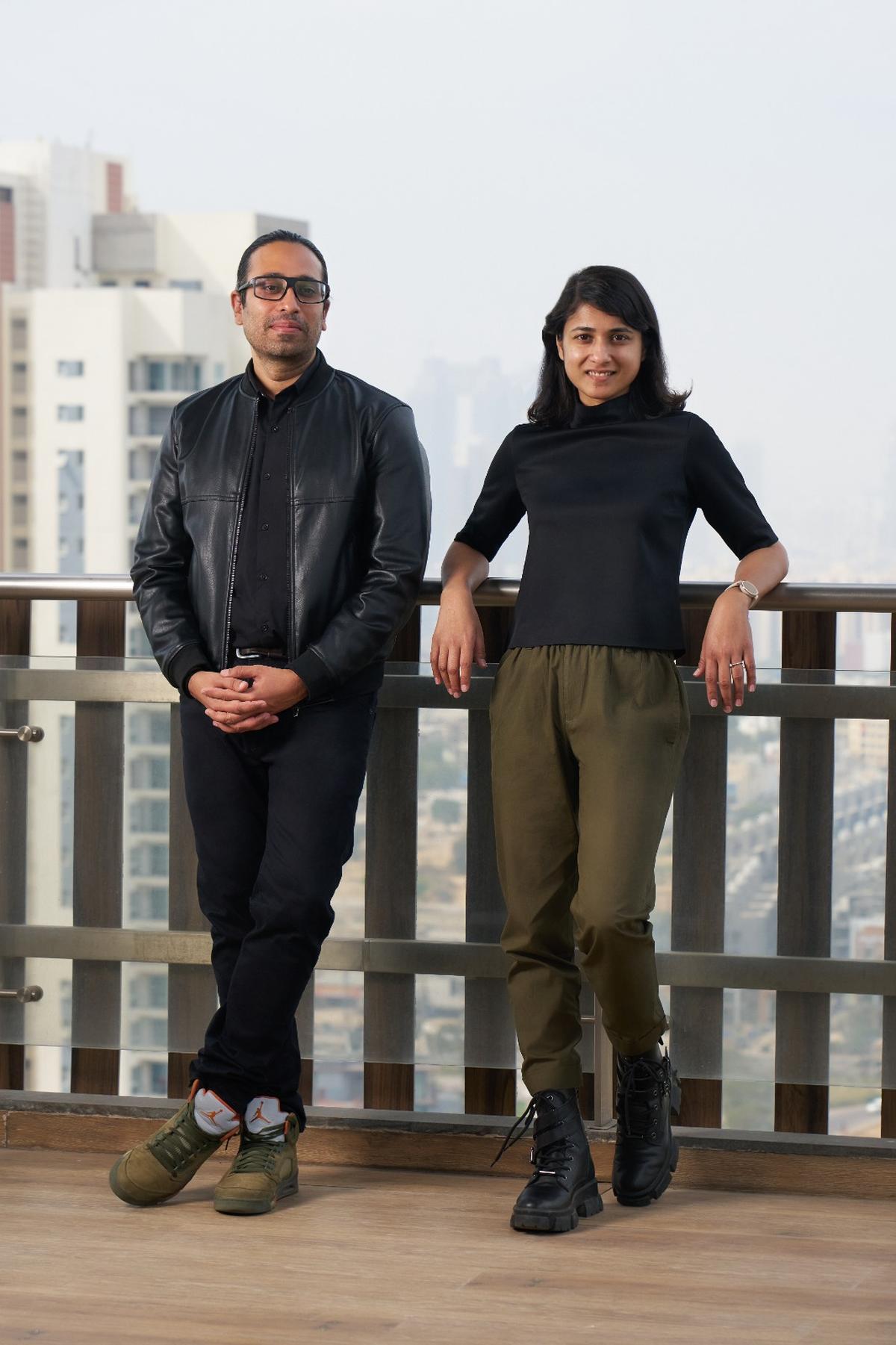
Ananya Sharma and Aditya Tognatta of Custom Design Stories.

Bharat Bahl
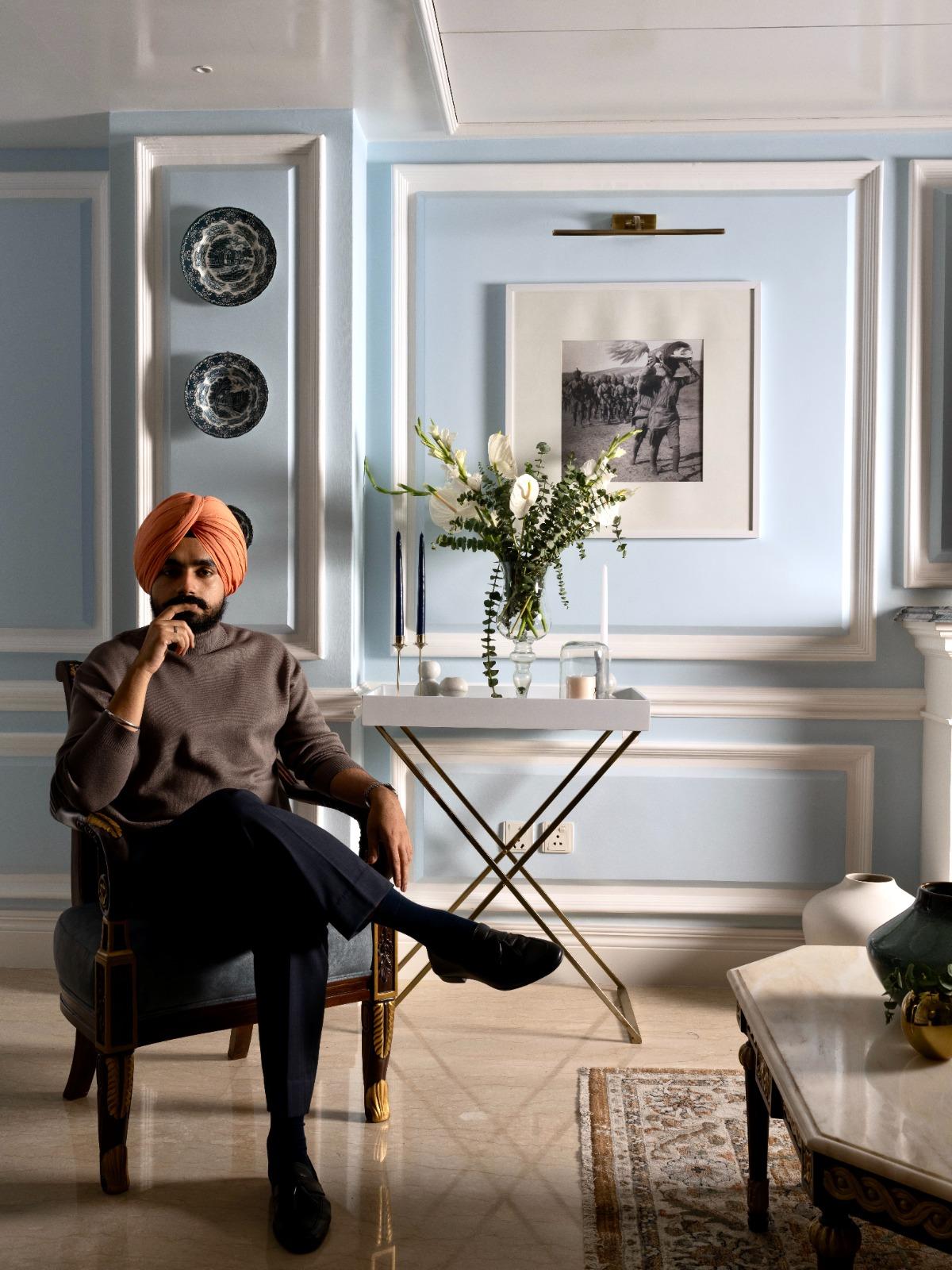
Harkaran Singh Boparai
Purchases are being driven by high net-worth individual (HNWIs), ultra-HNWIs, and non-resident Indian (NRIs). “Even as some phases saw moderation in volumes, value growth remained strong, supported by demand for larger, lifestyle-enhancing homes. Mumbai also reflected robust market health with a 20% year-on-year rise in property registrations in November 2025,” adds Manan Shah, managing director, MICL Group, based in Mumbai.

Harshita Nookula
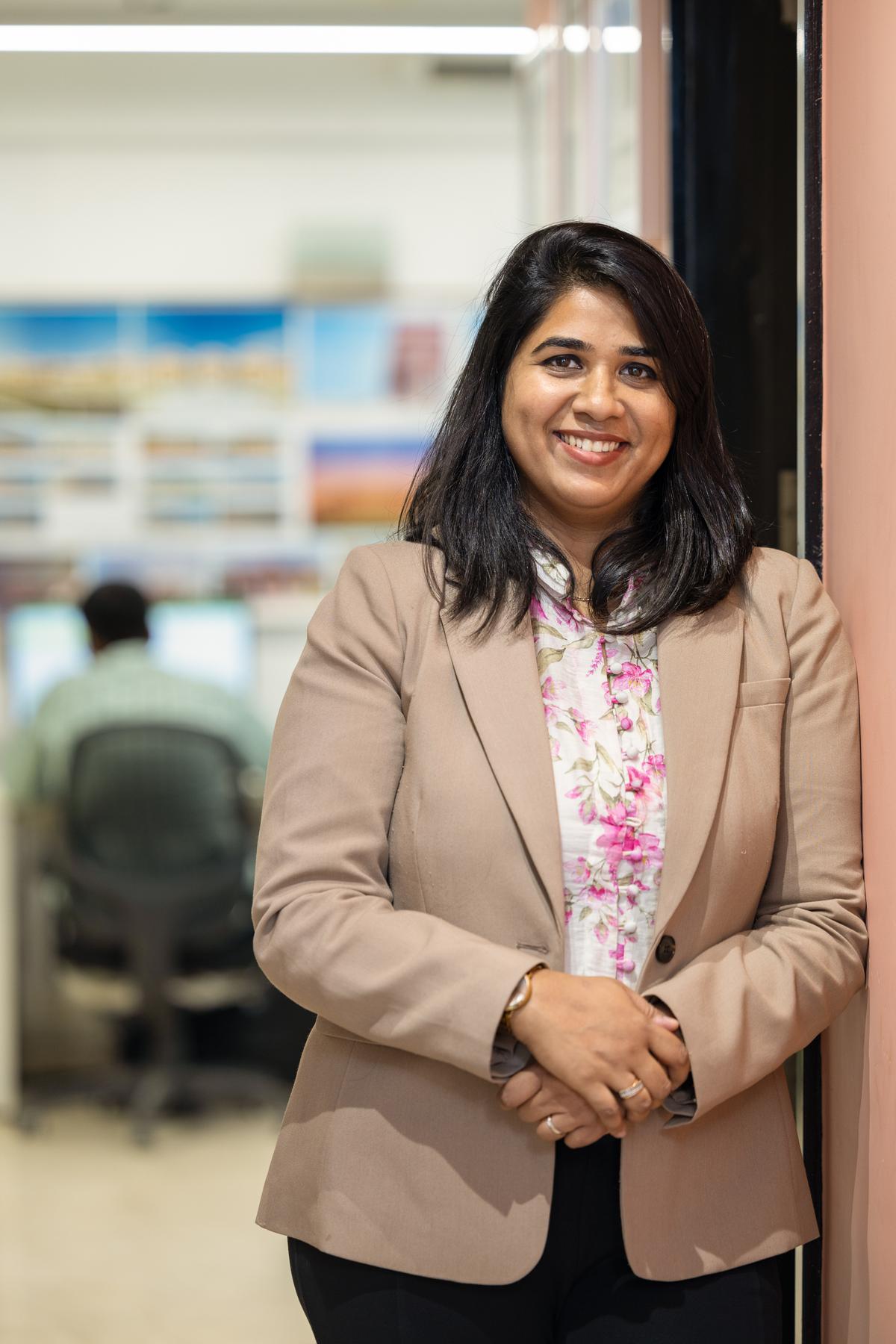
Khushboo Bhansal

Manav Dangg
Growth of community townships
There has been a growing preference for integrated townships, which mirrors a broader desire for certainty in Indian cities. “Buyers are increasingly choosing environments where infrastructure, mobility, green spaces, and daily conveniences are planned as a whole,” says Monika Choudhary, co-founder and chief development officer of Habitat Architects, based in New Delhi and Ludhiana. “Large township developments across Pune, the Mumbai Metropolitan Region, and Hyderabad underscore this shift. The home’s value is no longer contained within its walls; it is reinforced by the ecosystem around it. Community is essential infrastructure.”

Manish Gulati

Mitu Mathur
Such townships are an opportunity for architecture to operate at an urban scale. “We have introduced elements like large ‘urban windows’, shared courtyards, and intergenerational parks that allow residents to balance privacy with vibrant community life. The approach is all about designing spaces where a sense of belonging and resilience can flourish,” says Khushboo Bansal, principal architect of Sthapati, based in Lucknow and New Delhi.
Key focus: innovation
While traditional materials such as cement, steel, and bricks remained essential, there was a clear move towards low-carbon, high-efficiency systems like precast construction, AAC blocks, fly ash bricks, and green cement alternatives. India’s green building materials sector is projected to grow at over 10% compound annual growth rate, reflecting a market-wide transition rather than a niche preference. “Sustainable construction has moved into the mainstream in 2025. Low-carbon cement alternatives, carbon-reduced concrete, and recycled materials are being adopted at scale to meet cost and environmental objectives,” says S.B. Sarveshaa, chairman and MD of Bengaluru-based Bhadra Group. Industrialised building systems are also gaining momentum, improving speed, precision, and quality control. “Prefabricated and modular components accelerated construction, reduced waste, and improved precision. Enhanced materials for waterproofing, insulation, and energy efficiency became mainstream, reflecting the growing demand for durable, comfortable, and green buildings,” says C. Rakesh Reddy, director of Hyderabad-based Aparna Constructions.

Monika Choudhary
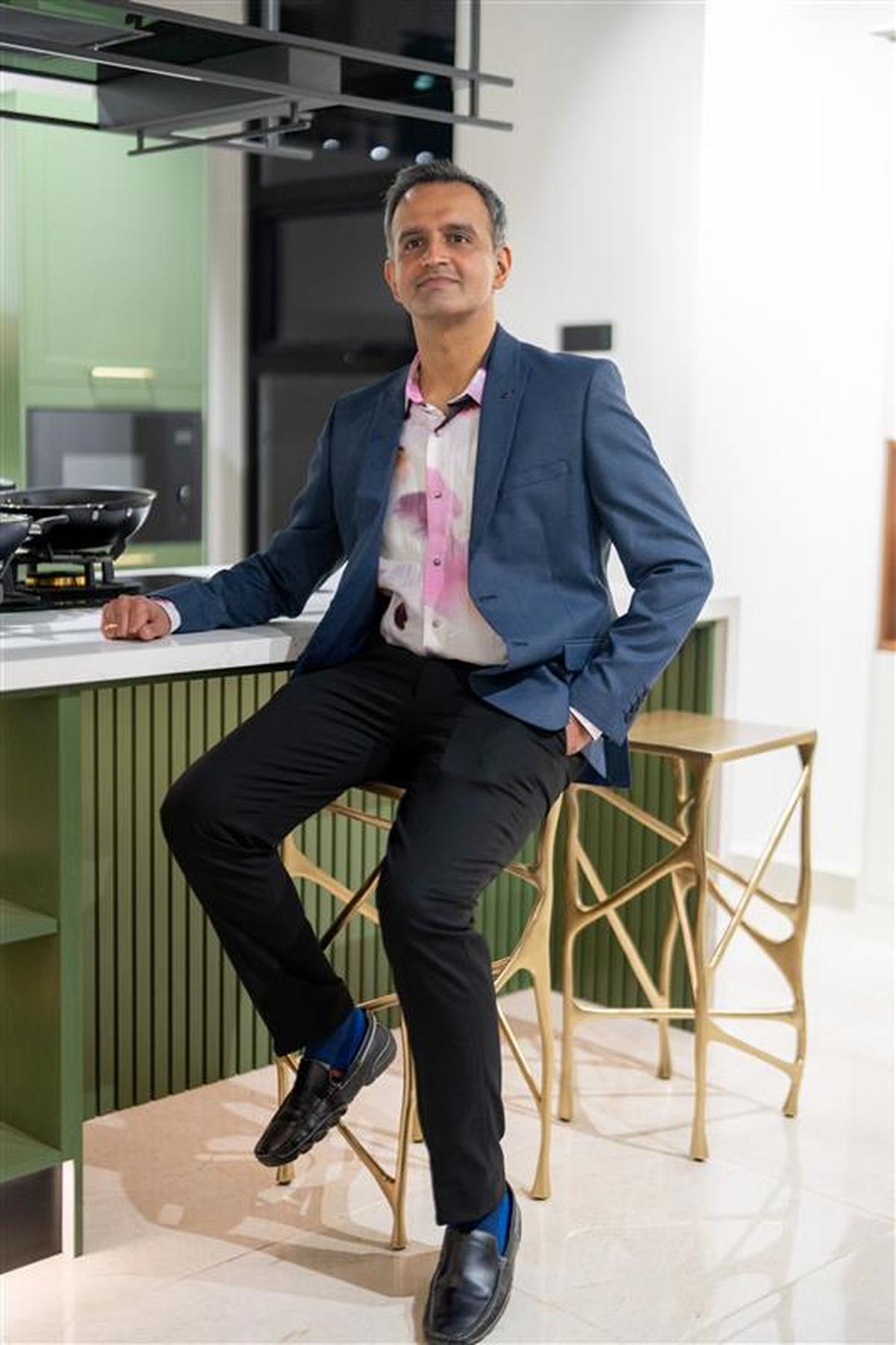
Ganesen Vishwanathan
“This includes the use of heavy thermal curtains, strategic placement of reflective surfaces to bounce natural light deeper into rooms, and zoned ventilation,” adds Mueen Haris, founder of DS2 Architecture, a multi-disciplinary practice based in Bengaluru, Kochi and Mangaluru. “A major trend is the return of natural stone and terracotta floors for their ‘thermal mass’ properties, absorbing heat during the day and releasing it at night to stabilise indoor temperatures.”
Trending construction materials
Material choices in 2025 were driven by performance and not novelty. “Natural stone, due to its inherent beauty, durability and versatility, has remained a go-to material. From statement marble countertops to understated limestone flooring, this versatile material works across styles, blending seamlessly into both traditional and modern homes. It is also an ideal choice for outdoor spaces, including pool decks, patios, terraces, and balconies,” says Harkaran Singh Boparai, founder and principal architect of Harkaran Boparai Studio (HBS), located in New Delhi. “While access to international styles and materials has expanded, it is essential to design in a way that responds to place through materiality, craft, and narrative, without becoming pastiche. The use of stone helps in balancing these layers while still creating something emotionally compelling and functionally seamless.”

Mueen Haris

Smita Vijaykumar
Digital shift
Real estate, by definition, is always racing against the clock — with deadlines, approvals, handovers, and more. This year saw technology and AI begin to meaningfully compress those timelines. “The more transformative change is inside the delivery pipeline. From feasibility to floor area ratio (FAR) modelling, test-fits, and massing options, to coordinated building information modelling (BIM), automated checks, clash detection, documentation, and finally the last-mile detailing that used to consume weeks of human bandwidth, AI is accelerating the entire arc,” says Manish Gulati, principal architect and founder of MOFA Studio.
Policy support
GST rationalisation in 2025 addressed long-standing concerns around the inverted tax structure in real estate, where input taxes were higher than output taxes. “Rates on essential materials such as cement were rationalised from 28% to 18%, while tiles, bricks, and several construction inputs were aligned to a 5% slab, thus simplifying the tax structure,” shares Reddy. “This correction improved input tax credit efficiency, reduced working-capital blockages, and enhanced cash-flow predictability for developers.”
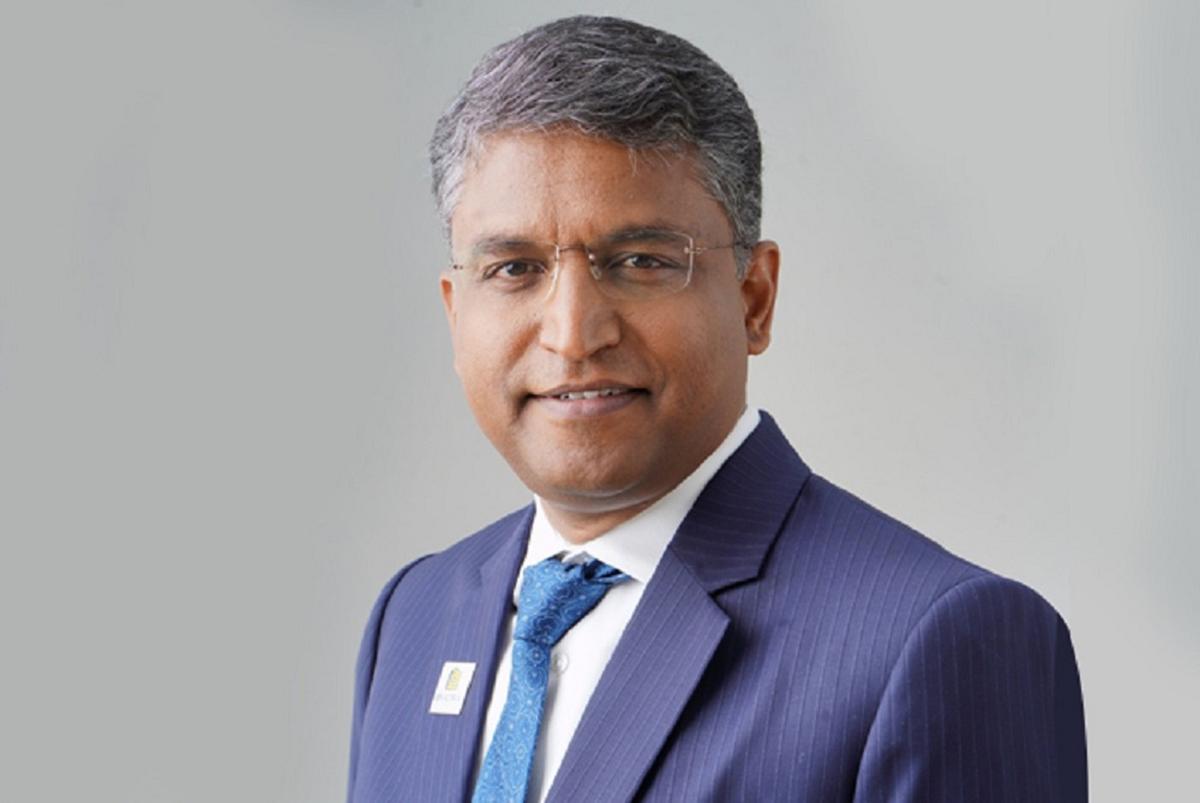
S.B. Sarveshaa
Equally important is the alignment of GST rates for government and private contracts. “Simplified registrations, faster refunds and clearer rate structures also reduce working capital stress and planning ambiguities,” says Bharat Bahl, joint managing director of New-Delhi based Krishna Build Estate Pvt. Ltd.

Poonam Mehta
Home interiors
Speaking of home décor and interior design, 2025 has been a year of experimentation and bold choices. “Homeowners have become far more open to exploring new ideas; they are more intentional and deeply personal about what they want in their homes. At the same time, they have been open to understanding what design can offer beyond the obvious,” says Disha Subramanium, founder and principal designer of New Delhi-based Design by Disha Subramanium. Here’s what ruled in 2025.
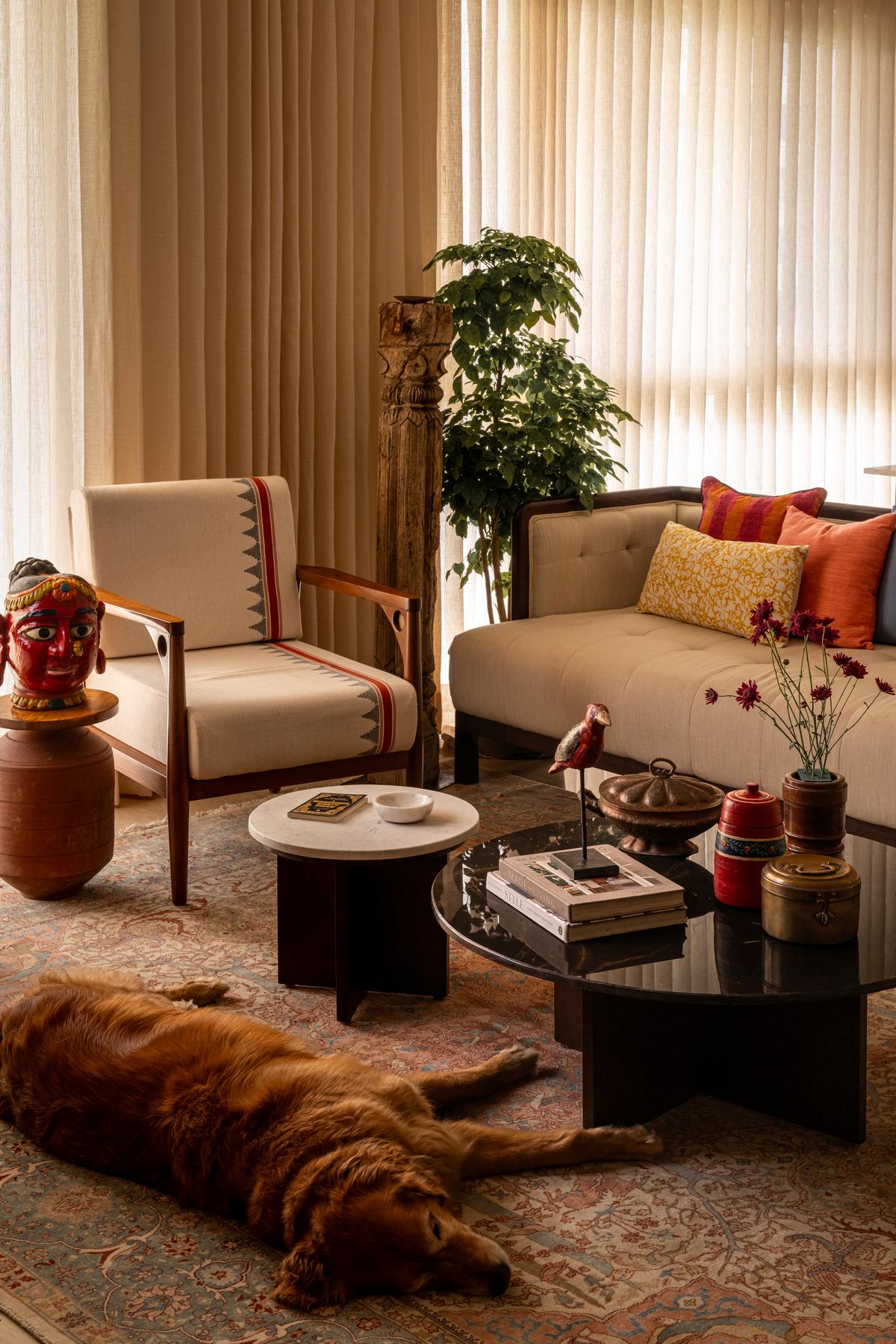
Soft light, handcrafted details, and lived-in textures create a space that feels deeply personal.
Colour drenching
The year definitely brought in the use of bold colours and colour-drenched spaces. “2025 embraced emotion-driven colour stories, where entire rooms were drenched in one dominant hue, including walls, furniture, ceilings, and décor. From deep plums and forest greens to burnt oranges and midnight blues, saturated palettes were used to evoke mood and identity,” says Harshita Nookula, lead-visual merchandising of Bengaluru-based Livspace India. “This trend worked especially well in bedrooms, lounges, and powder rooms, turning spaces into immersive, sensorial experiences rather than neutral backdrops.”

Pratyusha Kethinedi
The focus on muted, dusty shades akin to colourful extensions of neutrals was also popular. “Sage green, soft grey, and light coral colours that evoke a sense of calm were favourites. Sage green, in particular, has emerged as a go-to for cabinetry and walls, providing a soothing link to the outdoors without overwhelming the senses,” says Smita Vijaykumar, founder of ReNNovate Interiors, Mumbai.

C. Rakesh Reddy
Dark wood finishes
The year saw an increasing number of homeowners gravitating towards wooden floors. “Walnut, mahogany, and dark oak are being used to add warmth, depth, and a sense of quiet luxury to interiors. What stands out this year is the mixing of multiple wood tones within the same space, combining light and dark finishes to create visual balance and character. Wood is no longer limited to one element; it appears across cabinetry, wall panelling, flooring, ceilings, and custom furniture, giving spaces a cohesive yet layered look,” says Manav Dangg, founder and principal designer at Studiio Dangg, New Delhi.
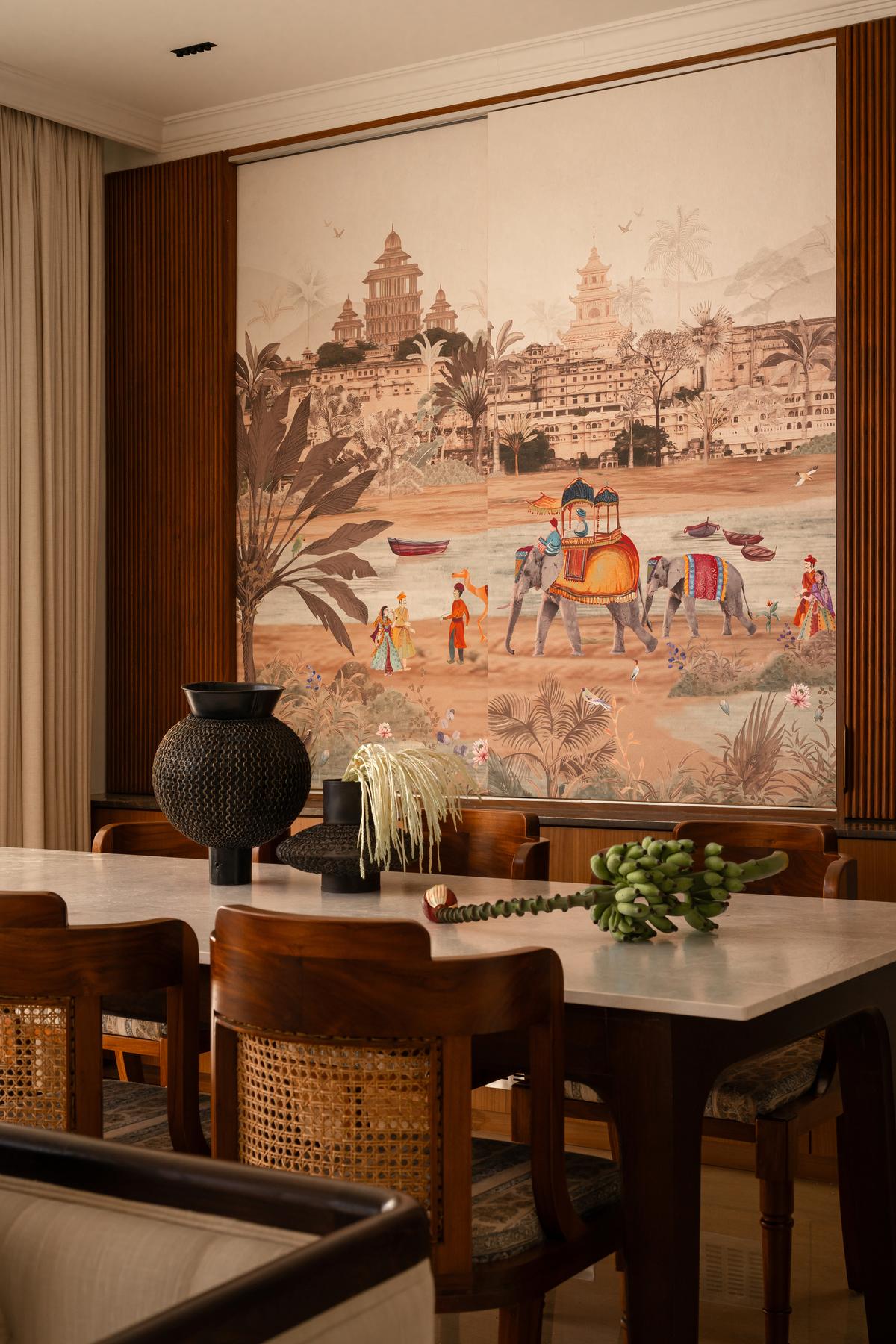
A dining space where heritage narratives, natural materials, and contemporary restraint meet.
Soft curves
Hard lines softened in 2025 as curves dominated furniture, architecture, and décor. “Arched doorways, rounded sofas, sculptural coffee tables, and fluid silhouettes took over the interior world. These forms add a sense of calm, movement, and approachability while still feeling refined,” states Nookula. According to Dangg, more homeowners were open to having unique furniture shapes in their houses, creating a space filled with fluidity, comfort, and spatial harmony.
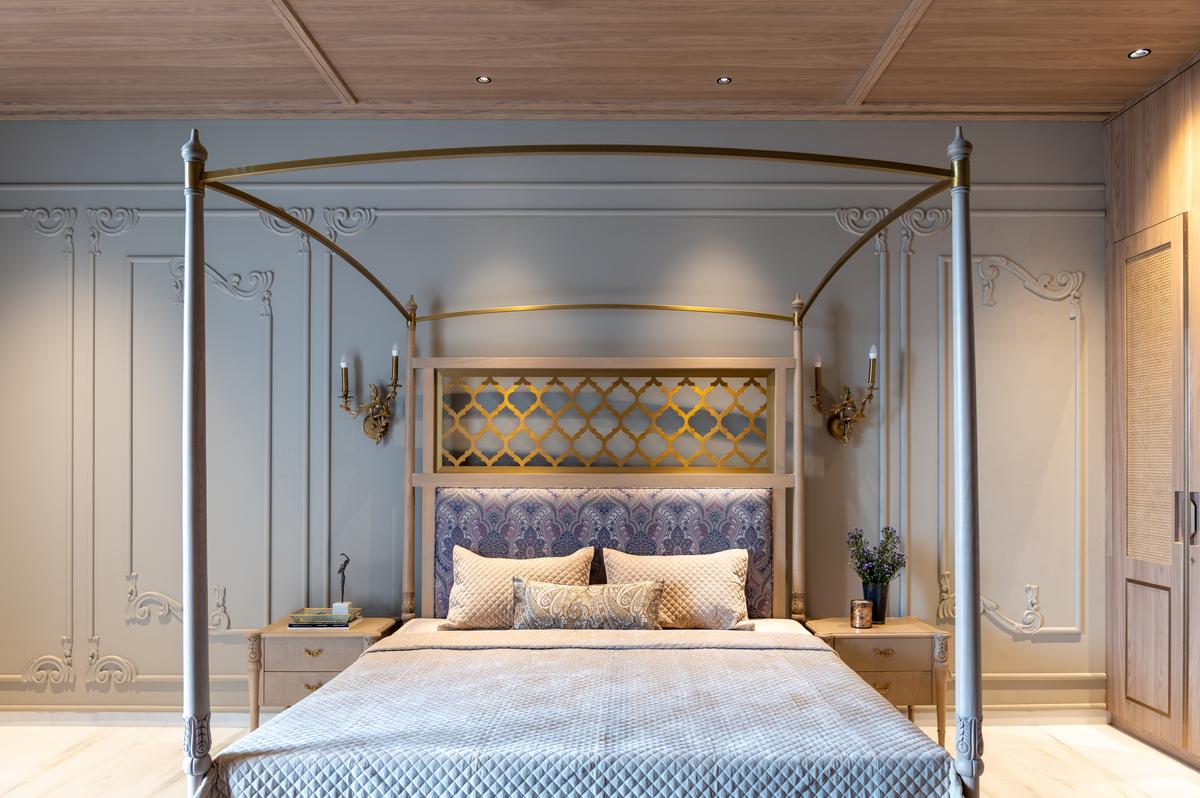
Vintage-inspired details and layered textures come together to create a bedroom that feels calm, timeless, and quietly elegant.
Tactile textures
The year saw the ample use of handcrafted ceramics, carved wood, woven textiles and lime-plastered walls. “Our interest in micro concrete and limewash comes less from their popularity and more from their discipline. It is robust, economical, and quietly expressive,” says Aditya Tognatta, co-founder of Custom Design Stories in Gurugram. Stone has been featured as a focal point. “Whether it is statement island countertops, floor-to-ceiling fireplace walls, or richly veined coffee tables, stones bring a dramatic and luxurious feel to the interiors. This is because the variations in veining and tone make each application feel unique,” adds Subramanium.
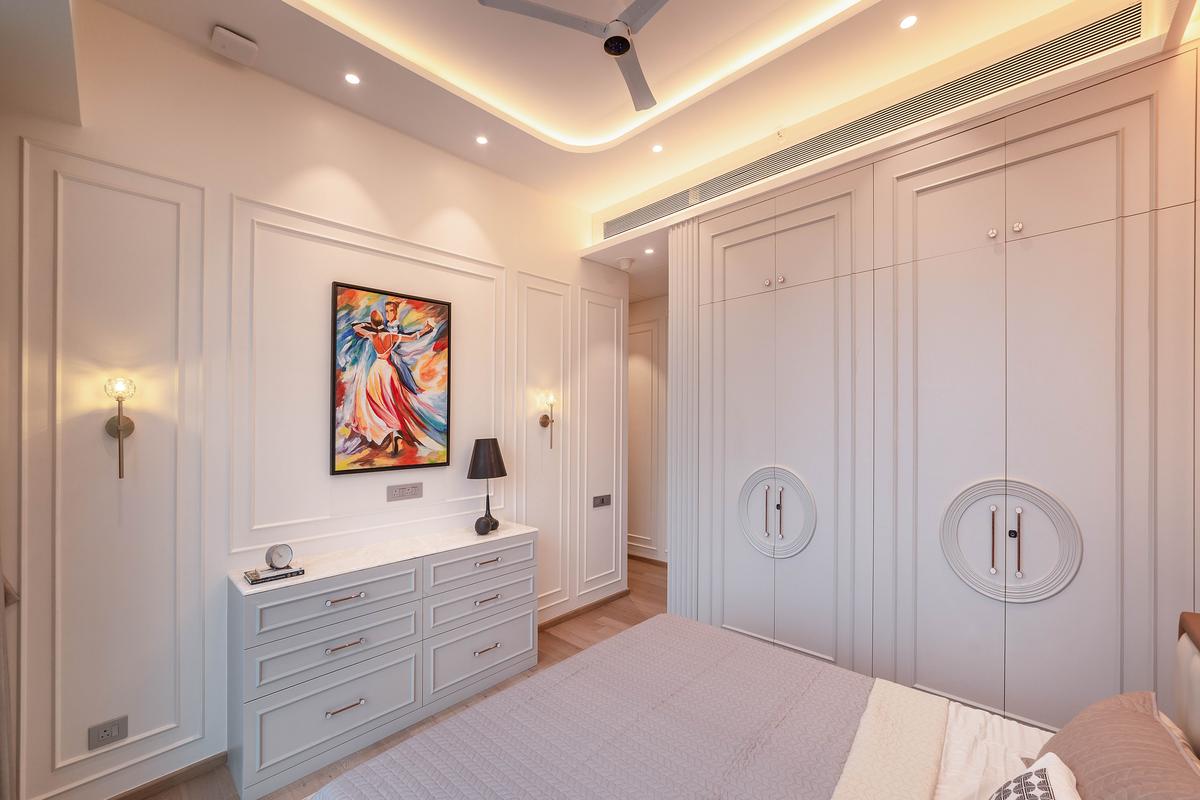
Muted tones, bold mood in the bedroom.
Groovy retro
Retro patterns such as geometrics, psychedelic prints, and classic motifs like paisley and florals made a comeback. “Woven rugs, embroidered fabrics, and vintage quilts are being used to add texture, while reclaimed wood, distressed finishes, and classic designs add character to modern spaces, says Poonam Mehta, co-founder of Pune-based Poonam Akash (formerly known as AMPM Designs). “Further, vintage lighting like mid-century modern chandeliers and antique lanterns were popular statement piece ideas.”
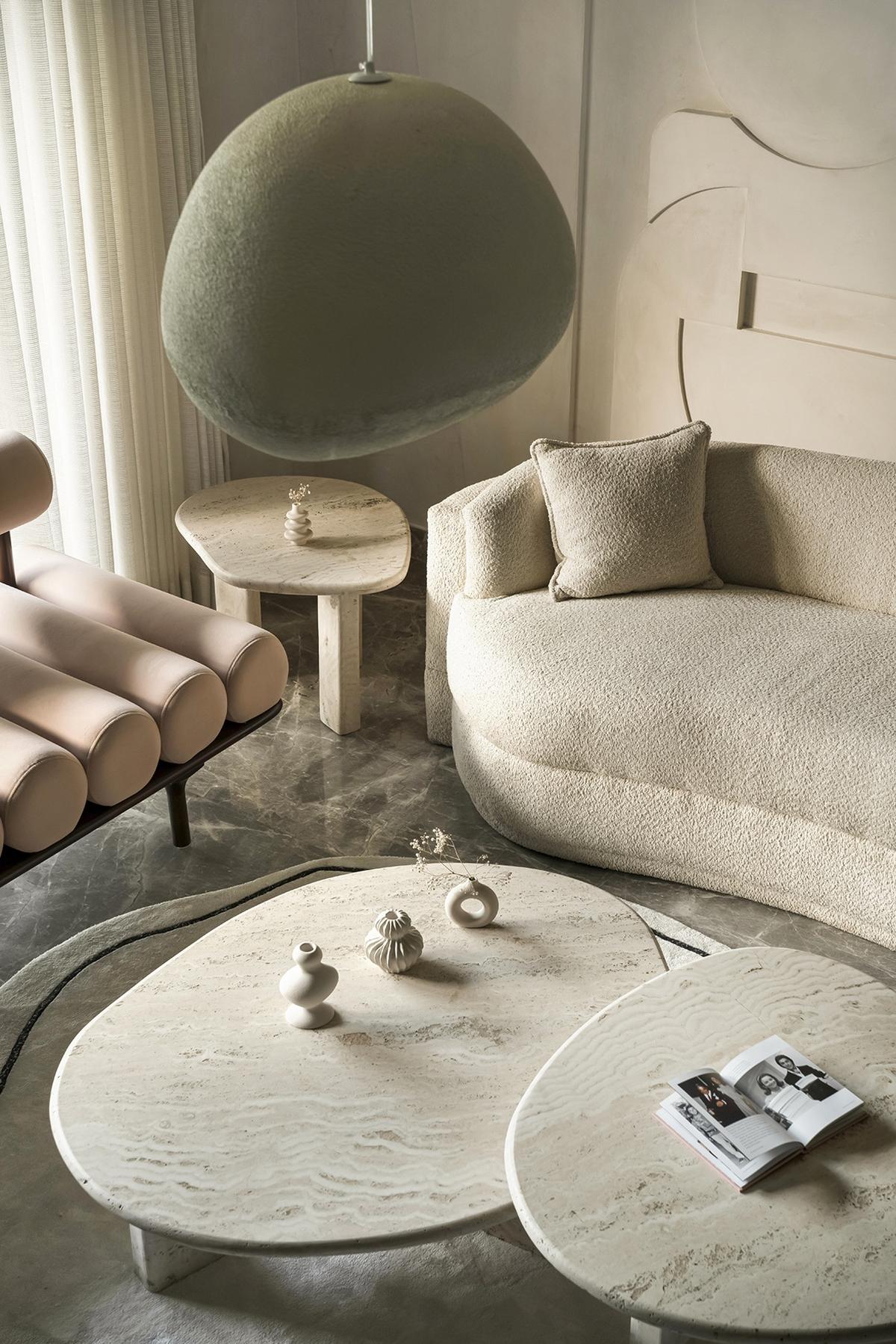
A warm minimalistic space with unusual curved lighting and a textured sofa.
Minimal–maximalism
Maximalism with intention was another key trend of 2025. “There was a conscious move away from greys and beige towards layered, expressive spaces that are curated and not overwhelming,” says Pratyusha Kethinedi, principal designer and founder of Bengaluru-based House of Katha.
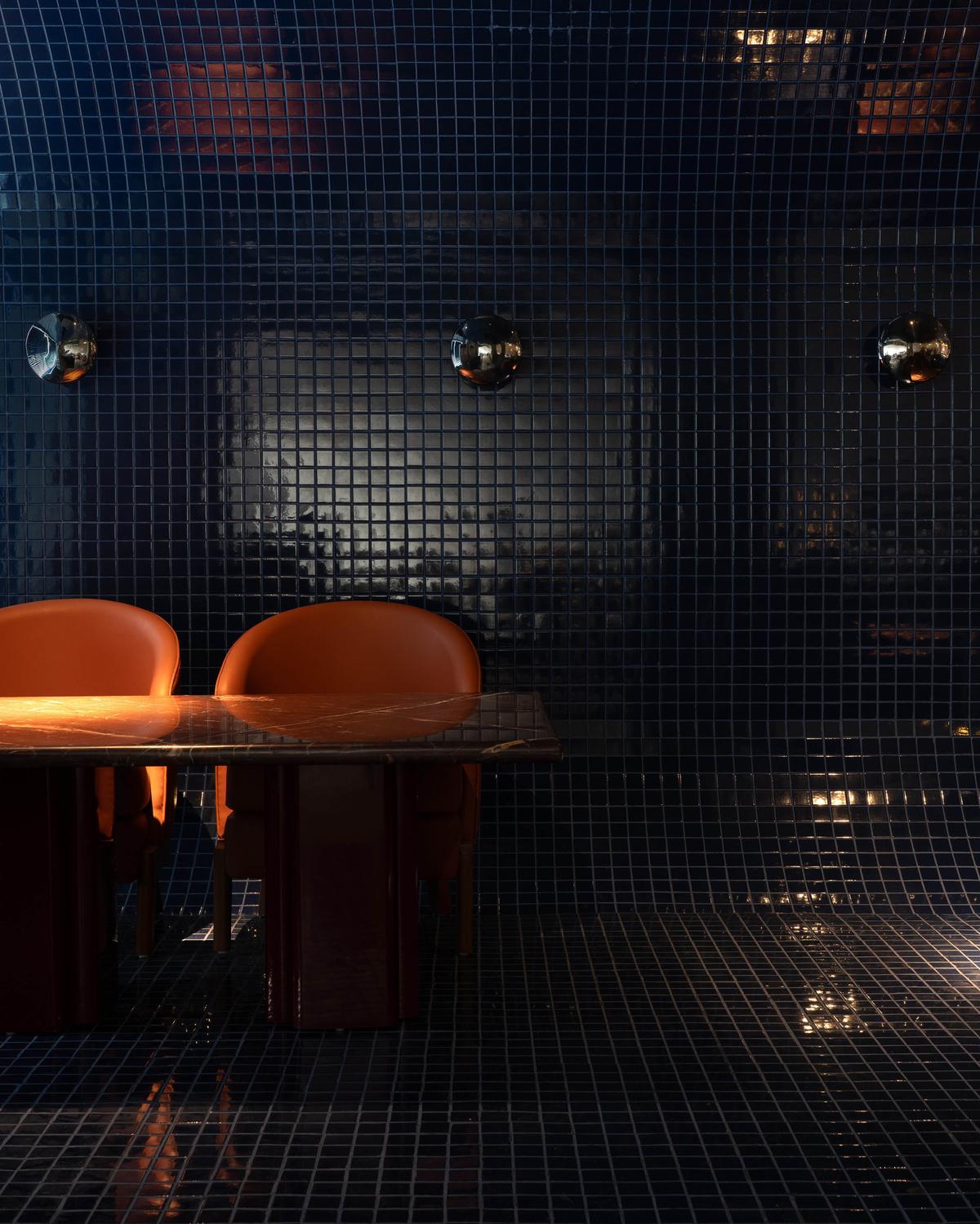
Curved seating with vibrant orange color, perfectly blending in the space giving a more illuminating look.
| Photo Credit:
Avesh Gaur
Functional and flexible spaces
With remote work and evolving lifestyles, flexible and multifunctional spaces were essential in 2025.
“There is a clear demand for integrated study units, flexible storage, reading corners and layouts that can adapt as children grow. Safety and comfort also play a larger role, with preferences for softer finishes, rounded edges and practical materials that are easy to maintain,” says Viswanathan.“At the same time, these spaces are being designed to blend seamlessly with the overall aesthetic of the home rather than feeling separate or overly themed. This reflects a more mindful approach to family living, where children’s needs are addressed without compromising on design quality or longevity.”
The Bengaluru-based freelance writer is passionate about all things design, travel, food, art and culture.