Think urban homes, and the biggest challenge one faces is the lack of space. In today’s dense urban environments, many of us are living in spaces smaller than ever before, whether it’s a compact apartment or a studio.
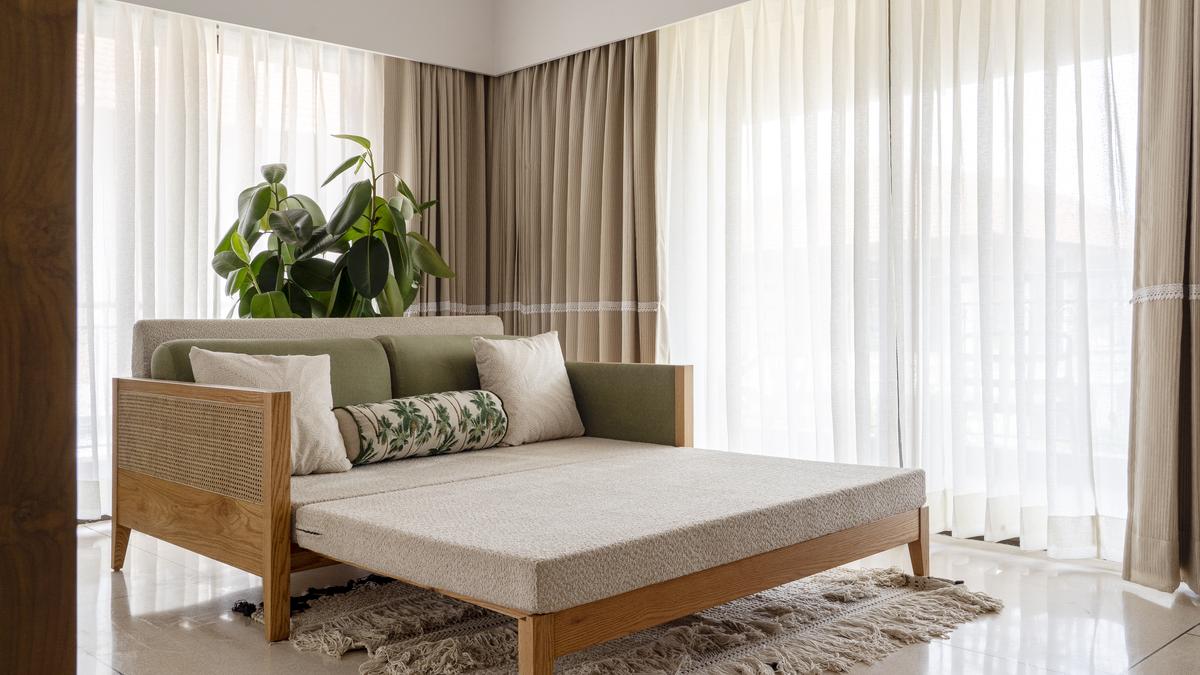
Compact yet creative, this joyous jungle room imagined by AD Studio9 in Pragati Nivasa makes the room feel expansive and stylish.
| Photo Credit:
Nayan Soni
Room sizes are shrinking, every square foot has to work harder, and there’s always the pressure to make it functional yet stylish and chic. “The real challenge isn’t just about fitting everything in. It becomes essential to understand the experience of living in such spaces, because when a home feels cluttered, it affects not only movement but also the sense of ease and calm one naturally seeks,” says Rahul Mistri, founder and principal designer, Open Atelier Mumbai.
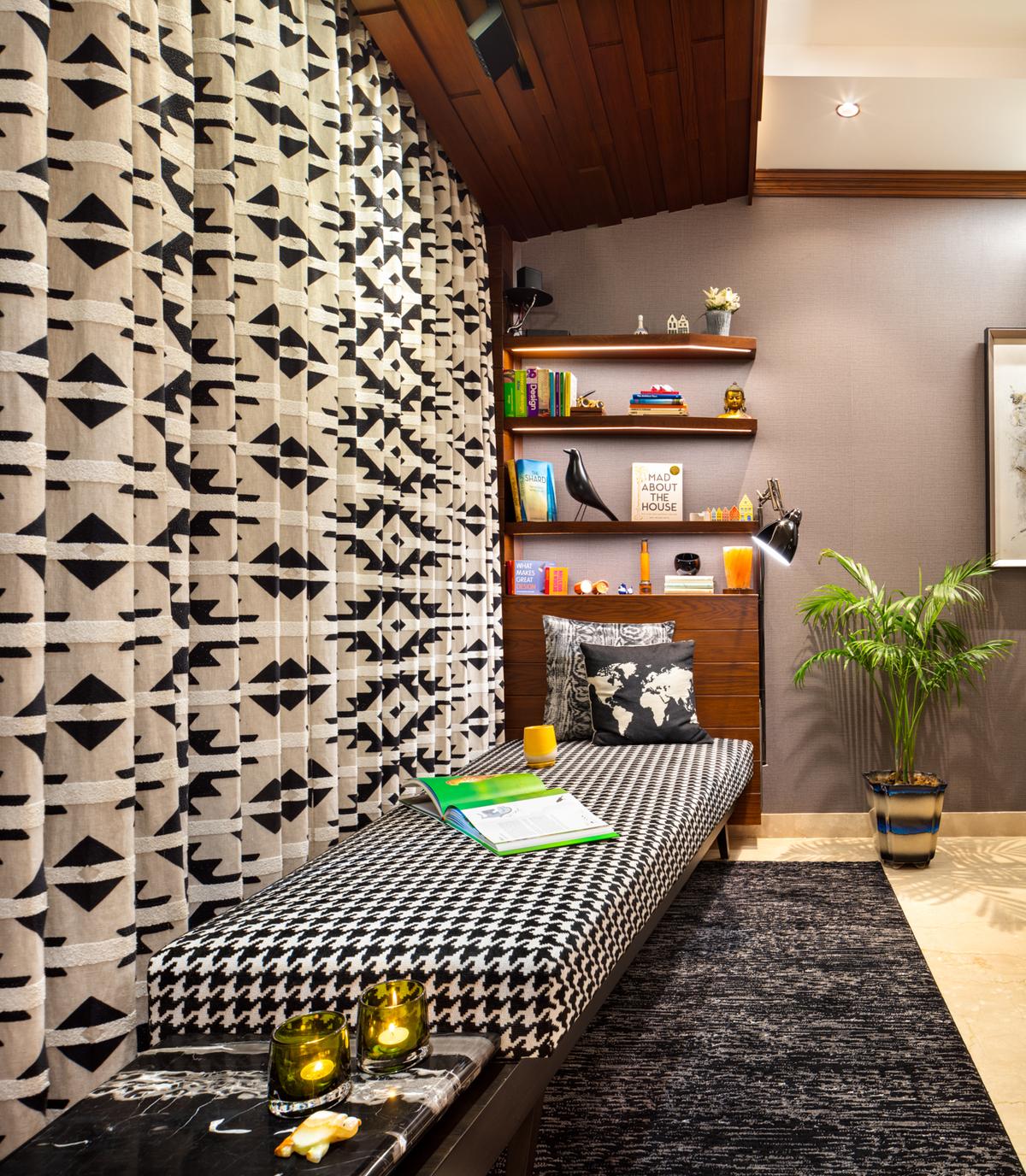
It’s crucial to plan a layout that enables smooth circulation, allowing people to move around easily without obstruction.
| Photo Credit:
Andre Fanthome–Studio NAC
Designing a compact, urban home is a lesson in how to do more with less, effectively combining comfort, utility, and design within a limited footprint. “Every decision, from the size of furniture to the amount of natural light entering, has great significance. If there isn’t enough storage or if circulation isn’t thoughtfully considered, spaces can feel cramped all too quickly. It’s also crucial to maintain a sense of openness; otherwise, a small home may end up feeling boxed in rather than welcoming and airy. The process is really about striking that fine balance between having everything one needs and still keeping the home visually light and inviting,” says Devika Khosla, creative director, The Works Interiors.

Varun Poddar.
A room of one’s own
When designing for urban spaces, the key considerations revolve around context, density, and human experience. “First, it is essential to respond to the site and its surroundings — working within constraints of limited space, neighbouring structures, and local regulations while still creating a distinctive identity. Second: light, ventilation, and privacy. [These] become critical as urban homes are often tightly packed. Thoughtful spatial planning, orientation, and material choices can transform these limitations into opportunities. Also, integrating green spaces, energy-efficient systems, and natural elements helps balance urban density with ecological well-being. Finally, the user experience is paramount. Urban spaces should not only function efficiently but also provide comfort, calm, and a sense of connection to nature — turning homes into sanctuaries within the bustling city fabric,” says Sandesh Dhanaraj, co-founder, AD Studio9.
Another key consideration is creating a sense of openness and flow. “In a limited footprint, even minor interruptions in circulation can make a home feel closed off. The scale of furniture, the way storage is integrated, the integration of natural and artificial lighting, and even the choice of materials all contribute to a sense of balance,” adds Mistri.
Adaptability is equally essential. A compact home will continually evolve, and its design must be flexible enough to support these shifts, whether that’s a corner doubling as a work desk or a dining area that expands to accommodate more people. This adaptability can also extend to technology, where strategic automation systems add to the experience of comfort and ease. The purpose is to make the space feel intuitive, where every element actively enriches the rhythm of daily life, without drawing attention to the home’s size.

Aditi Savani
Ways to maximise space
Maximising space in a compact home is all about getting creative with every nook and cranny. “Always stack functions through lofts, tall shelving, or layered layouts to free up floor area. Keep pathways clear, so movement feels seamless and spaces feel larger. It is also key to use consistent flooring or a muted material palette to create a cohesive look throughout the spaces and maintain visual continuity. Natural partitions, such as screens, mirrors, glass dividers, or open shelving, can effectively zone spaces without making them feel enclosed,” says Rachna Agarwal, founder and design ideator, Studio IAAD.
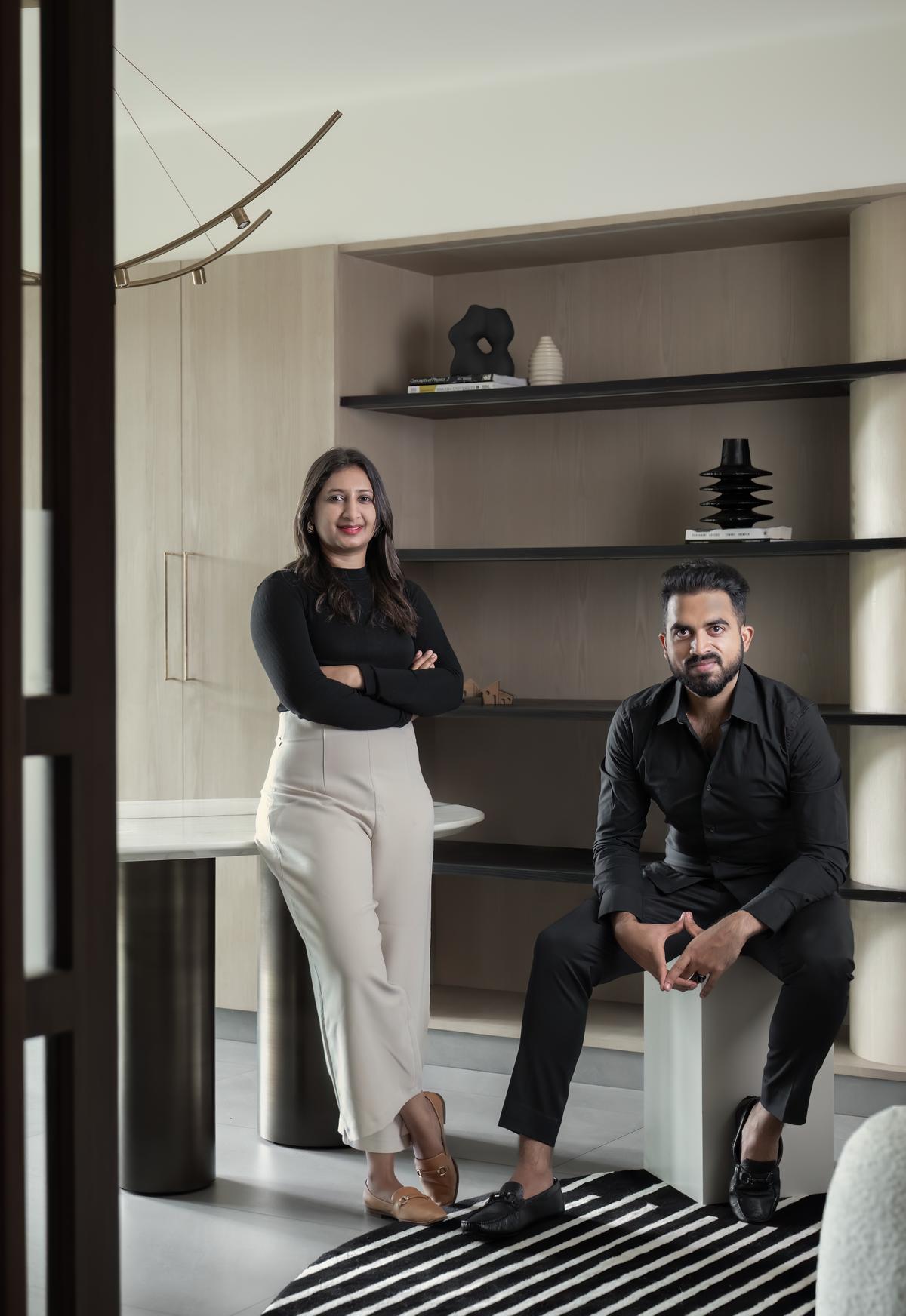
Apoorva Lekha and Sandesh Dhanaraj
Instead of building heavy walls, subtle zoning with rugs, sliding doors, or even lighting can help define areas while keeping the layout flexible and airy. “Double- or triple-height volumes, skylights, and vertical connections help open up interiors, making compact homes feel expansive. In one of our projects, we introduced a triple-height skylight above the staircase. This became the heart of the home, flooding every corner with natural light, despite the building being surrounded closely by neighbours,” says Apoorva Lekha, co-founder, AD Studio9.
Importance of furniture choices
Apart from tall storage units, shelves that go right up to the ceiling, or wall-mounted storage that keeps the floor clear are also clever choices. “Think sofa-cum-beds, extendable dining tables, or ottomans that double up as storage. Even built-in seating with hidden compartments or foldable desks can transform how a small space functions. And let’s not forget the ‘invisible’ spaces, like slim pantries tucked into corners or laundry units hidden behind cabinetry,” says Aditi Savani, founder, Studio Tattva.

Rahul Mistri
Even corners and transitional areas can be turned into productive zones with a desk, a reading nook, or built-in seating. Custom wardrobes, concealed storage under beds, or even a window ledge seating can create functionality without breaking the sense of flow. The more integrated these elements are, the less intrusive they feel. “The space under the staircase, for example, can be brilliantly reinvented. It might become a run of drawers for extra storage, a cosy reading bench, or even open shelving for books and decor, tailored to the family’s lifestyle,” adds Khosla.
A guest room could do double duty as a home office, or a dining nook can transform into a reading and relaxation corner when not in use. Kitchen counters serve multiple roles as well, functioning as a meal prep area, a small dining space, a buffet counter when entertaining, or even a workspace on busy days.

Rachna Agarwal
Another consideration that can transform these homes is the use of outdoor extensions. Even the smallest balcony or patio, if designed well, can become an additional room. The right furniture and greenery allow the home to breathe and give residents more flexibility in how they live.
The selection of durable, easy-to-maintain materials is particularly crucial in tropical climates, where humidity and weather can quickly wear down surfaces. “Homeowners can opt for infratop ceilings as they are maintenance-free, waterproof and help give spaces an aesthetic look. Light finishes and good exterior wall panels further enhance the feeling of space reflecting sunlight to brighten interiors. Altogether, these elements come together to create urban homes that are not only more practical and resilient, but also effortlessly elegant,” says Varun Poddar, Founder VOX India.
Lighting often plays an underrated role. A well-lit space, layered with natural task and accent lights, can completely change how a compact home is experienced. Instead of bulky lamps, wall-mounted or pendant fixtures free up the floor and maintain openness. Maximise natural light with sheer drapes and larger or additional windows wherever possible. Mirrors and glass partitions bounce light and visually open up enclosed spaces.

Devika Khosla
Ultimately, the key lies in choosing design elements that serve both purpose and personality. When design decisions are made with clarity, even the smallest homes can feel expansive, layered, stylish and distinctly their own.
Smart spatial strategies
Stack functions vertically with lofts and tall shelves
Maintain visual continuity using consistent flooring and muted palettes
Use light partitions — screens, glass, mirrors, open shelves.
Rugs, sliding doors, and lighting can zone spaces without enclosure.
Double- and triple-height volumes and skylights dramatically expand perception
Furniture that works overtime
Multi-functional pieces with sofa-cum-beds, extendable dining tables and storage ottomans
Built-ins with hidden storage add function without visual clutter.
Foldable desks, slim pantries, concealed laundry units maximise ‘invisible’ space.
Making every inch count
Corners and passageways can become desks, reading nooks, seating
Under-bed storage, window ledge seating, and custom wardrobes enhance flow.
Staircases can hide drawers, benches and open shelving
Lighting as a space multiplier
Layered lighting (natural, task, accent) reshapes perception.
Wall-mounted and pendant lights free up floor space.
Sheer drapes, larger windows, mirrors, and glass partitions amplify light.
The Bengaluru-based freelance writer is passionate about all things design, travel, food, art and culture.