Often referred to as the foundation of design, flooring today is more than just a surface. While it is the first surface you feel when you step into a space, it is a key architectural element that dictates spatial rhythm, visual quotient and even the acoustic texture of a space.
“It sets the mood, defines the style, and anchors the identity of a space. From natural stone to patterned tiles and seamless micro cement, flooring choices shape how interiors flow and feel. With open plans, sustainable materials, and evolving lifestyles, flooring has become a statement of both design sensibility and long-term value,” says Manisha Gandhi, founder, Studio MG. Given that it is a long-term investment and not something that is changed often, flooring must strike a balance between practicality, aesthetics, and durability.
Grey tiles with blue patterned insets bring a touch of Moroccan charm to the kitchen, balancing utility with visual rhythm.
When designing the flooring for a home, the key considerations include the type of space, its intended usage, the local weather conditions, and the overall aesthetics. “For me, flooring decisions stem from context, character, and comfort. First, context — the site’s climate, usage patterns, and sunlight. Then, character — the mood of the space and the material palette. Lastly, comfort — the tactile quality and ease of maintenance,” says Pooja Bihani, founder and principal architect, Spaces & Design. It is also important to consider aspects like durability, sustainability and lighting impact. Flooring today is all about blending aesthetics with practicality. “One of the biggest trends is the shift towards natural materials, earthy tones and textures: think warm woods, raw stone and neutral palettes.
There is also a strong preference for seamless and large-format flooring, which creates a clean, expansive look, especially in open-plan spaces. Materials like engineered wood, porcelain tiles, and luxury vinyl planks are very popular — not just for their aesthetics, but also for their durability and ease of maintenance.
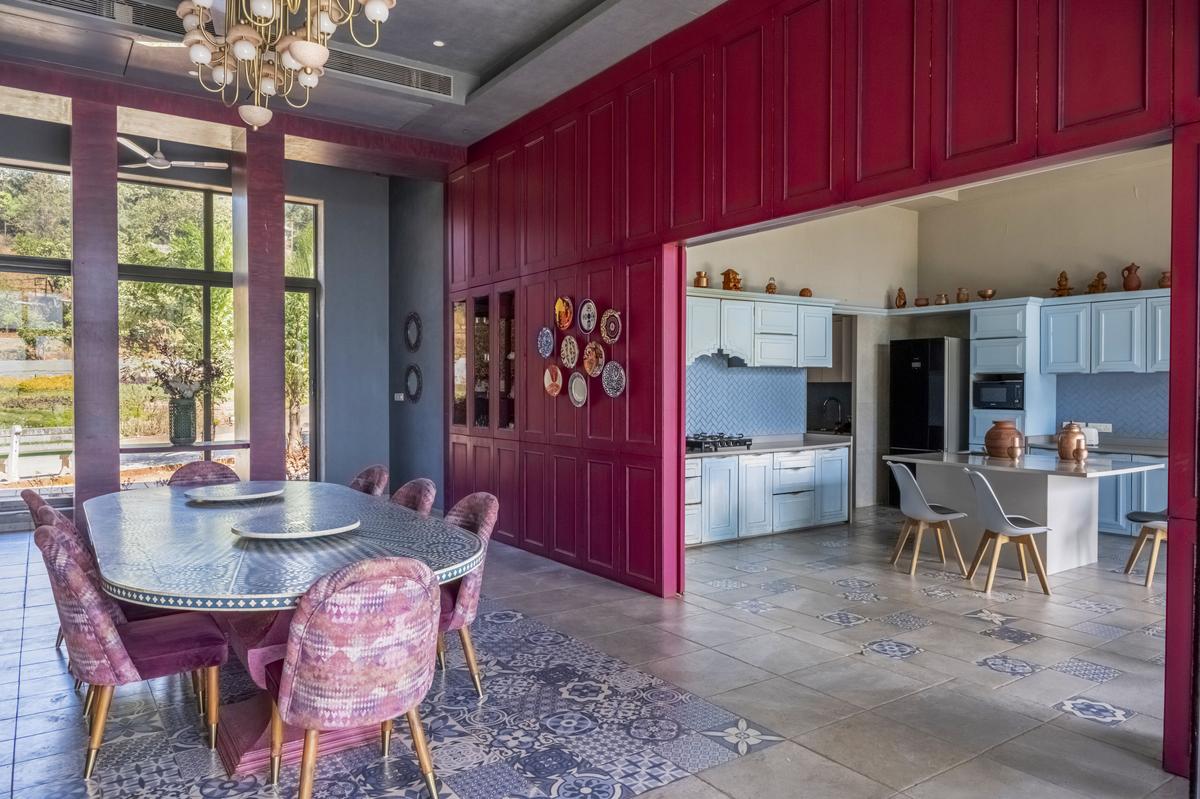
The flooring composition acts as a visual plane of calm guiding movement while anchoring the furniture layout.
“In bathrooms, textured tiles and matte finishes are in demand for both safety and style,” says Sunil Jasani, principal designer and co-founder of Fine Lines Designers.
Lesson on nature and history
Materials that echo nature, history, and artisanal provenance are in demand. “Textured tiles that mimic raw stone or aged wood are favoured for their evocative patina. Moroccan-inspired encaustic tiles are being deployed with architectural intent. Terrazzo, once utilitarian, is enjoying a renaissance as a surface of artistic expression. Eco-conscious materials like bamboo, cork and recycled aggregates are in vogue too. What binds these trends is a shift toward emotional materiality; floors that tell stories, age with grace, and anchor a space with soul,” says Shimona Bhansali, founder and principal designer, DesignHex.
Here is a look at six projects where the flooring is a highlight.
A poetic terrain
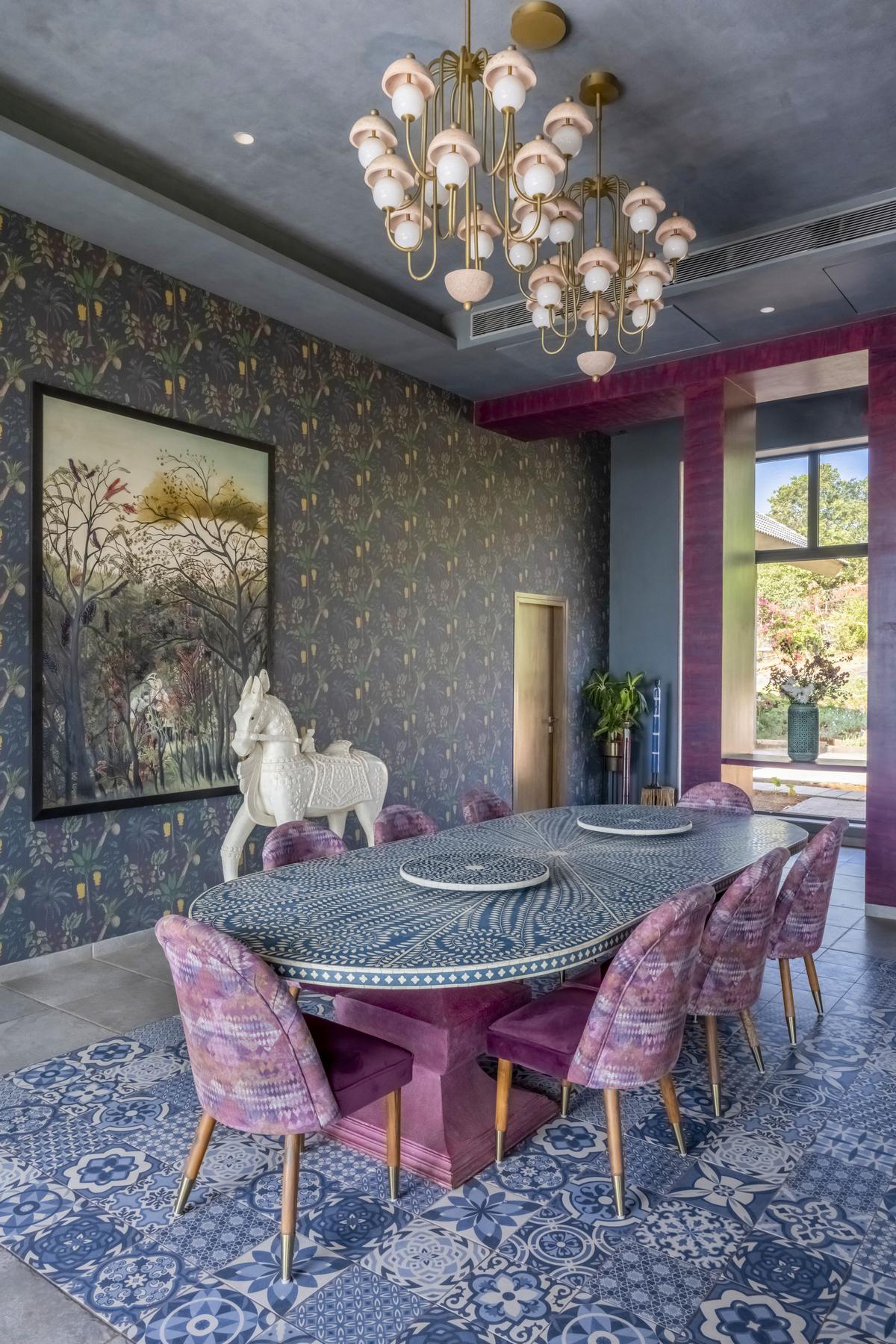
As one moves through the dining area the insets provide a subtle but deliberate spatial punctuation.
Shimona Bhansali, DesignHex, Kolkata
The Mumbai-based practice, established by Bhansali, is dedicated to crafting spaces that transcend mere aesthetics to embody deeper meaning and purpose. The dining area in this home in Maharashtra has been designed using grey tiles reminiscent of traditional Kota stone and is both visually compelling and extraordinarily functional.

Shimona Bhansali
“This is a winning combination where utility seamlessly blends aesthetics. The space required a surface that could endure movement, hosting and the occasional spill, without compromising on beauty. The finishing is elevated through a soft matte texture that adds both depth and durability. Interspersed within this surface are curated insets of patterned blue tiles, evocative of Moroccan motifs. The patterned blue tiles have been laid together to form a showstopping centre piece in the formal dining space. These accents animate the flooring with cultural richness and rhythmic variation, creating a grounded yet poetic terrain beneath the act of gathering,” adds Bhansali.
One of a kind
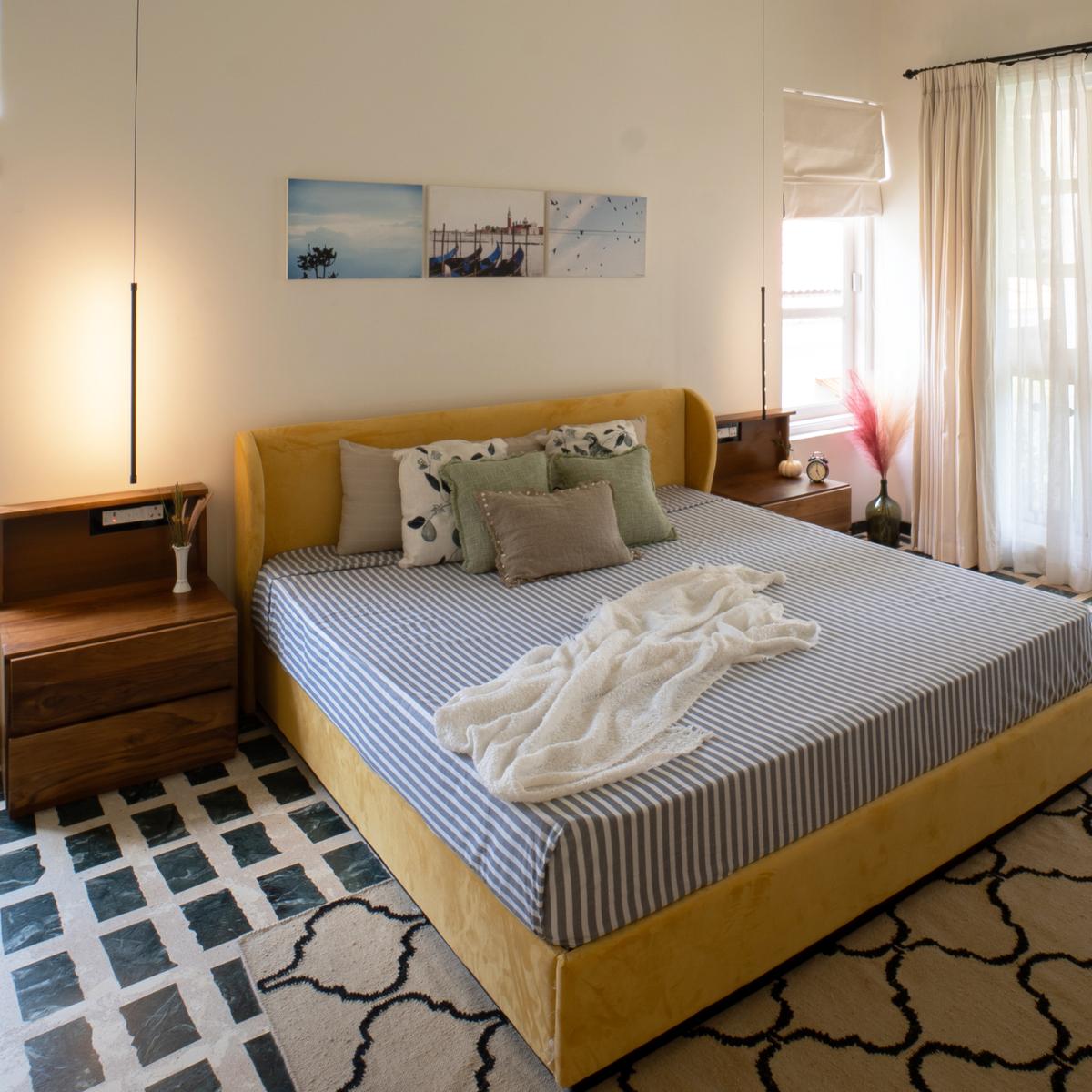
The dance of surealism project.
| Photo Credit:
Rohit Ganguly
Kirti Dodeja, Delhi NCR and Mumbai
A design practice based in Delhi NCR and Mumbai, Kirti Dodeja specialises in interior design, product design and spatial branding. The master bedroom flooring in this home in Goa uses a unique combination of terrazzo and Udaipur green marble, which has been laid using a unique technique. “I call it the paper-tear-flooring for its uneven paper-tear-like edges, which is very hard to achieve in a hard material like marble. The flooring achieves the illusion of paper hand-torn edges in stone. By partially cutting marble slabs to half their thickness before hammering, the slabs broke along guided paths — creating irregular, feathered edges instead of clean cuts. These controlled ‘torn’ marble strips were then hand-laid within terrazzo and polished to merge the textures into a seamless yet organic surface,” says Kirti Dodeja, founding designer and interior architect of her eponymous design studio. Each stone was carefully hand-cut and hammered to get the paper-tear edge effect.

Kirti Dodeja
It was then laid by hand, almost equidistant from each other and then the terrazzo mixture was poured. “We had to be very cautious about the white chips to white cement ratio; just enough chips to bind the mixture together, but not too much to take away from the beauty of the paper-torn edge of the green marble. In the end, it was all polished on-site evenly to bring the two materials into one smooth level of seamless flooring,” adds Dodeja.
Vintage pov
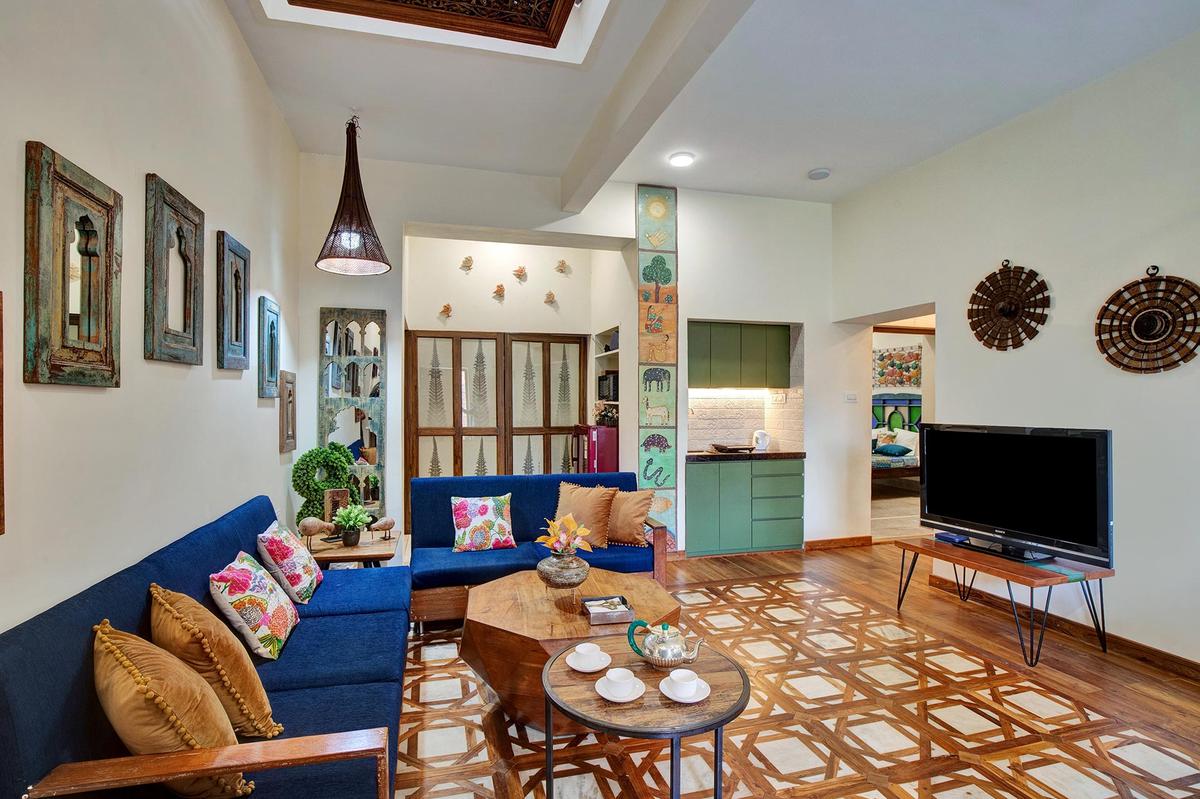
Madan Villa by THC. A checkered pattern adds a unique character to the overall space.
| Photo Credit:
Amit Sharma
Priyank Gupta, Traditional Handicrafts Centre (THC)
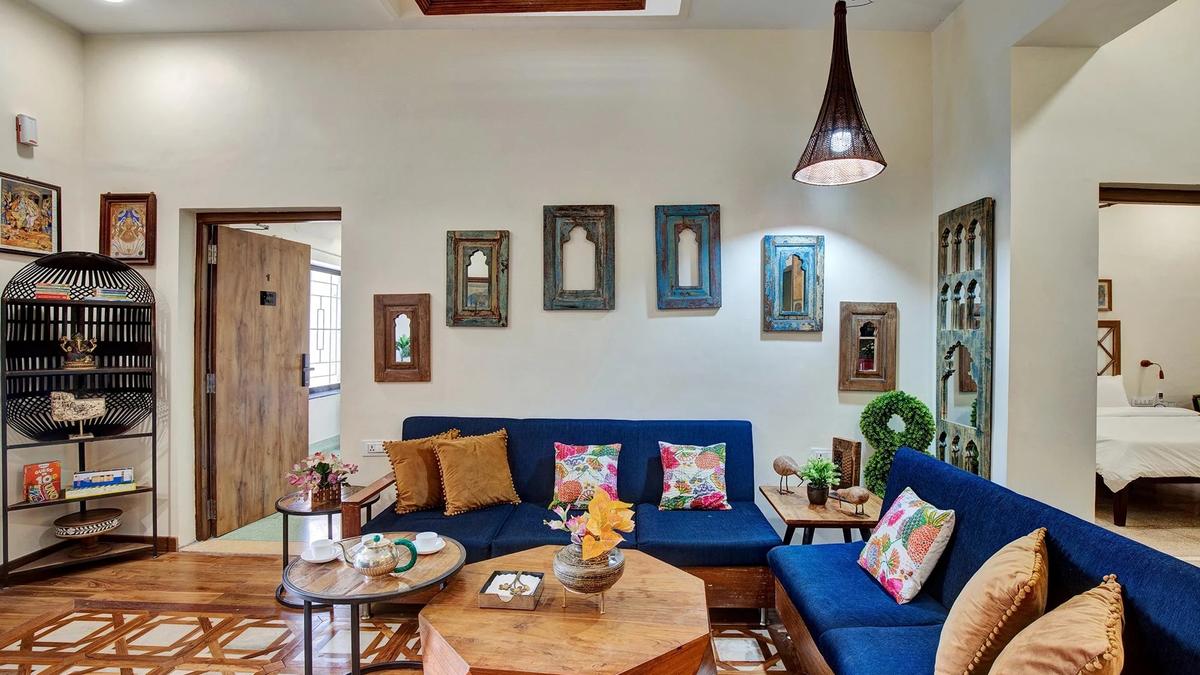
Recycled teak flooring brings nostalgia to a 40-year-old family home where the living room features an intricate repeat pattern of marble and wood. “Principal Designer Vrinda Agarwal chose this combination, which balances durability with style, given the high movement in this space. The natural expansion and contraction of wood is minimised when paired with marble, ensuring stability. Since the guesthouse is in Jodhpur, where temperatures remain high most of the year, this combination also helps keep the living area cool,” says Priyank Gupta, partner, THC.

Priyank Gupta
Additionally, the bold contrast of white marble against wood adds a distinctive character to the space. It is key to note that the recycled teak flooring is sourced from old mills and ships and has been polished with natural dyes and water-based finishes. Paired with marble, it revives a timeless Indian aesthetic in a cosy, nostalgic space.
Masterclass in harmony
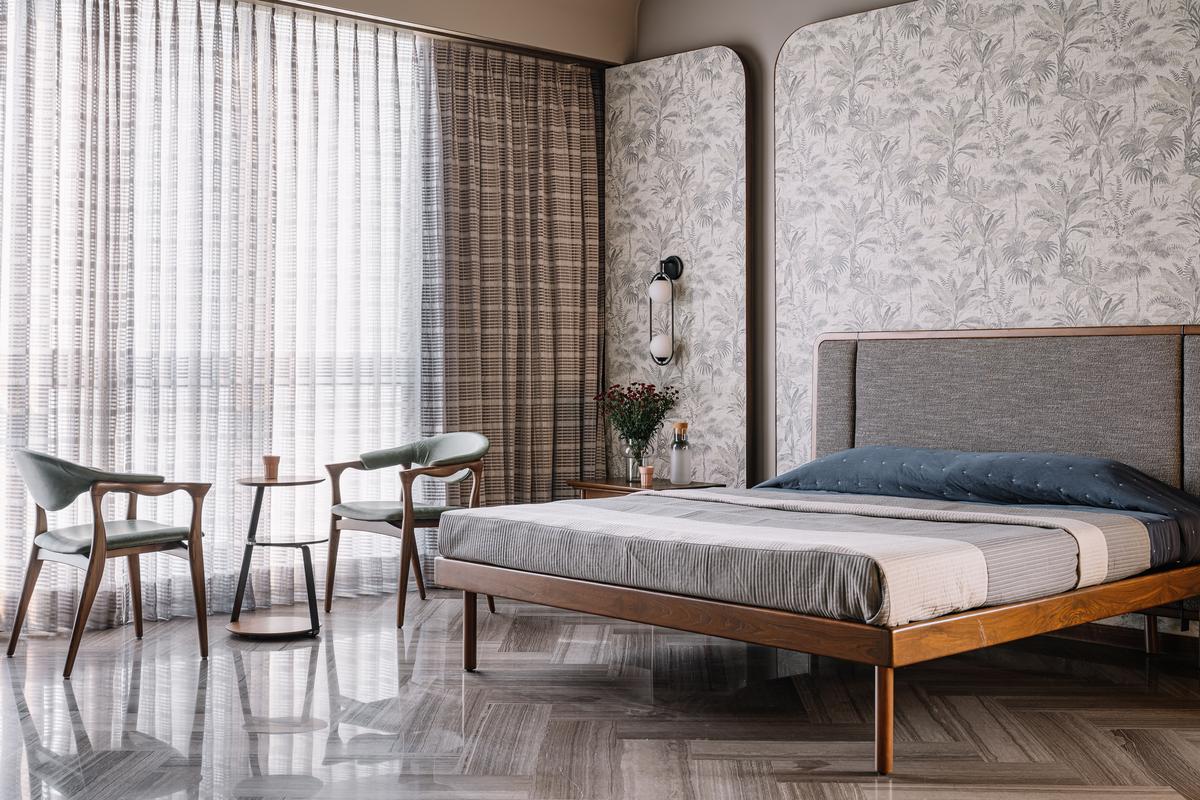
The master bedroom has tobacco brown marble laid in the typical herring bone pattern, with resemblance to wood.
| Photo Credit:
Ishita Sitwala
Pooja Bihani, Spaces & Design, Kolkata
The award-winning design studio founded by Pooja Bihani in 2006 creates bespoke spaces. The flooring in this Kolkata home, called Walnut house, is a masterclass in harmony and cohesiveness. Tobacco-brown marble was chosen as a primary floor material due to its connection with the colour walnut itself. “This is an interesting variant not only because of its unusual colour but the fact that the grains resonate with wood. All rooms had this flooring but in different patterns,” says Bihani.

Pooja Bihani
The master bedroom has this marble laid in a herringbone pattern, giving it a warm finish that mimics wood. In the kids’ room, it has been laid in a large checkered pattern, whereas in the other two bedrooms, it is laid as large slabs. While each space has its own character, the colour sync remains a constant. “The common areas have muted beige marble, but the long passage and the entrance lobby are characterised by geometrical inlays overlaid with the same tobacco brown, grey and black marble. The entire flooring palette was curated to harmonise with the custom-made walnut furniture and our client’s vision of quiet luxury,” adds Bihani.
Neutral hues
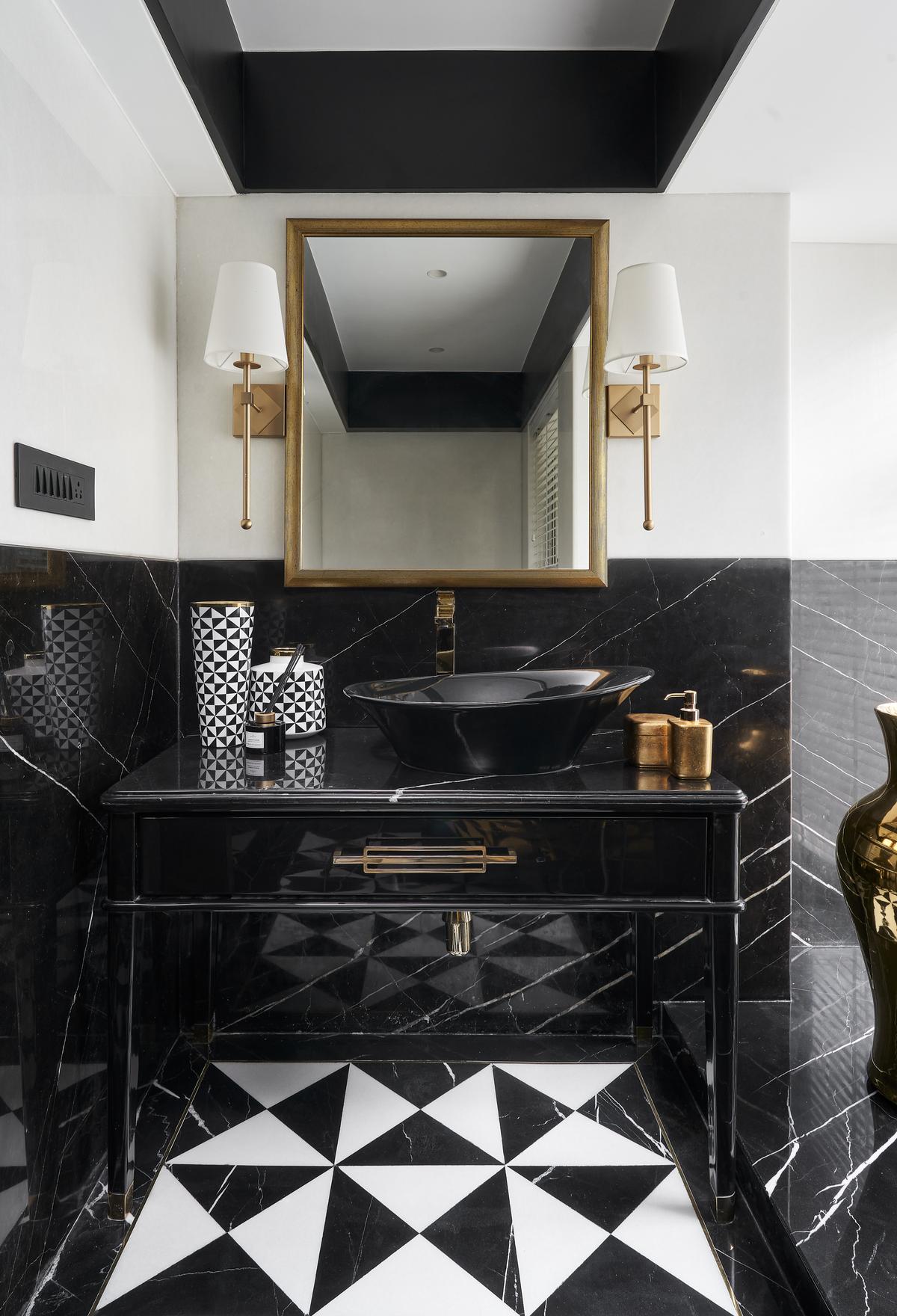
Statement bathroom flooring.
| Photo Credit:
Yadnyesh Joshi
Sunil Jasani, Fine Lines Designers
Flooring plays a crucial role in making this bathroom space in a Mumbai home feel larger and visually striking. The floors feature a seamless blend of polished marble with a crisp, modern aesthetic. The use of rich tones and textured surfaces throughout creates a sophisticated foundation, while the neutral hues allow the accents and features to stand out.
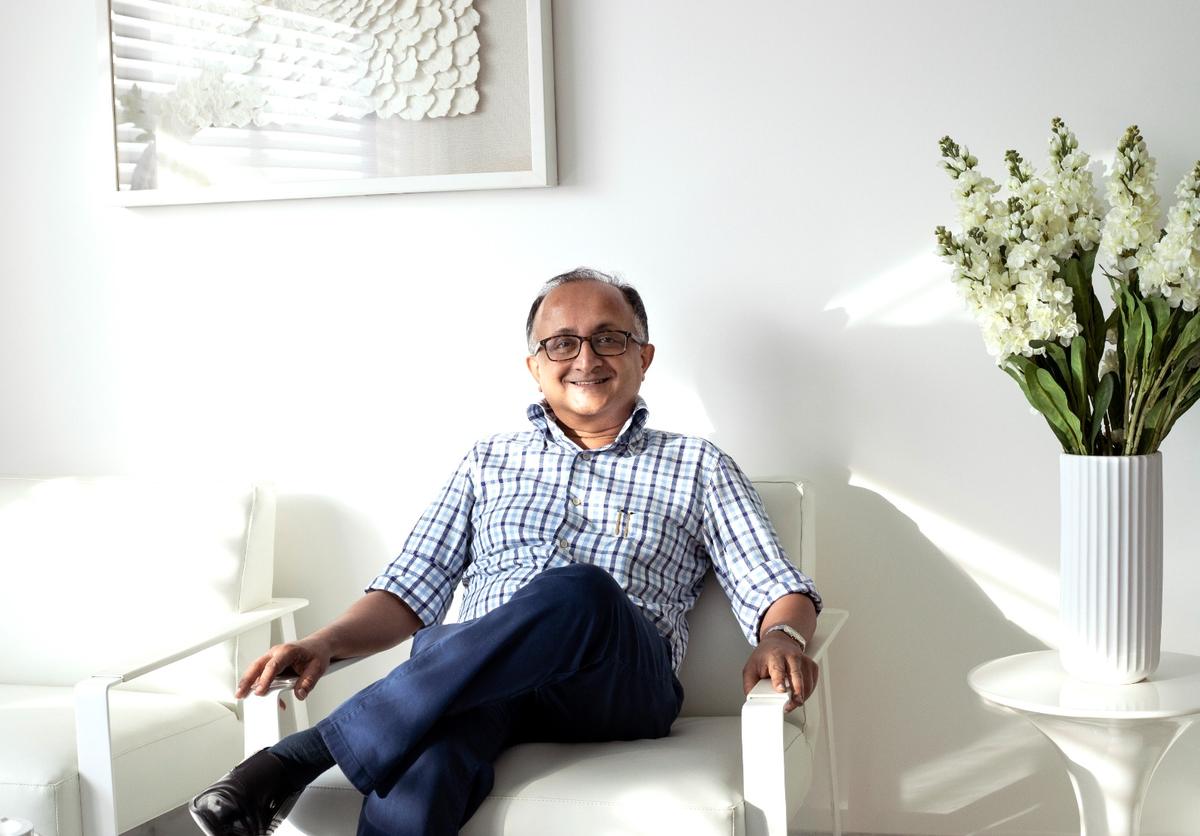
Sunil Jasani
“Gold accents were introduced sparingly but powerfully — on lighting fixtures and decorative details. These golden touches add an element of awe and richness, serving as the perfect counterpoint to the sleek, minimalist surfaces. The gold is never overwhelming but adds a sense of elegant grandeur that is unmistakable,” says Jasani, principal designer & co-founder of Fine Lines Designers. The lighting design is a key feature of this space. Hanging lights with gold accents adds an air of sophistication and warmth, casting a soft, inviting glow that enhances the luxury feel.
Rustic Indian aesthetic
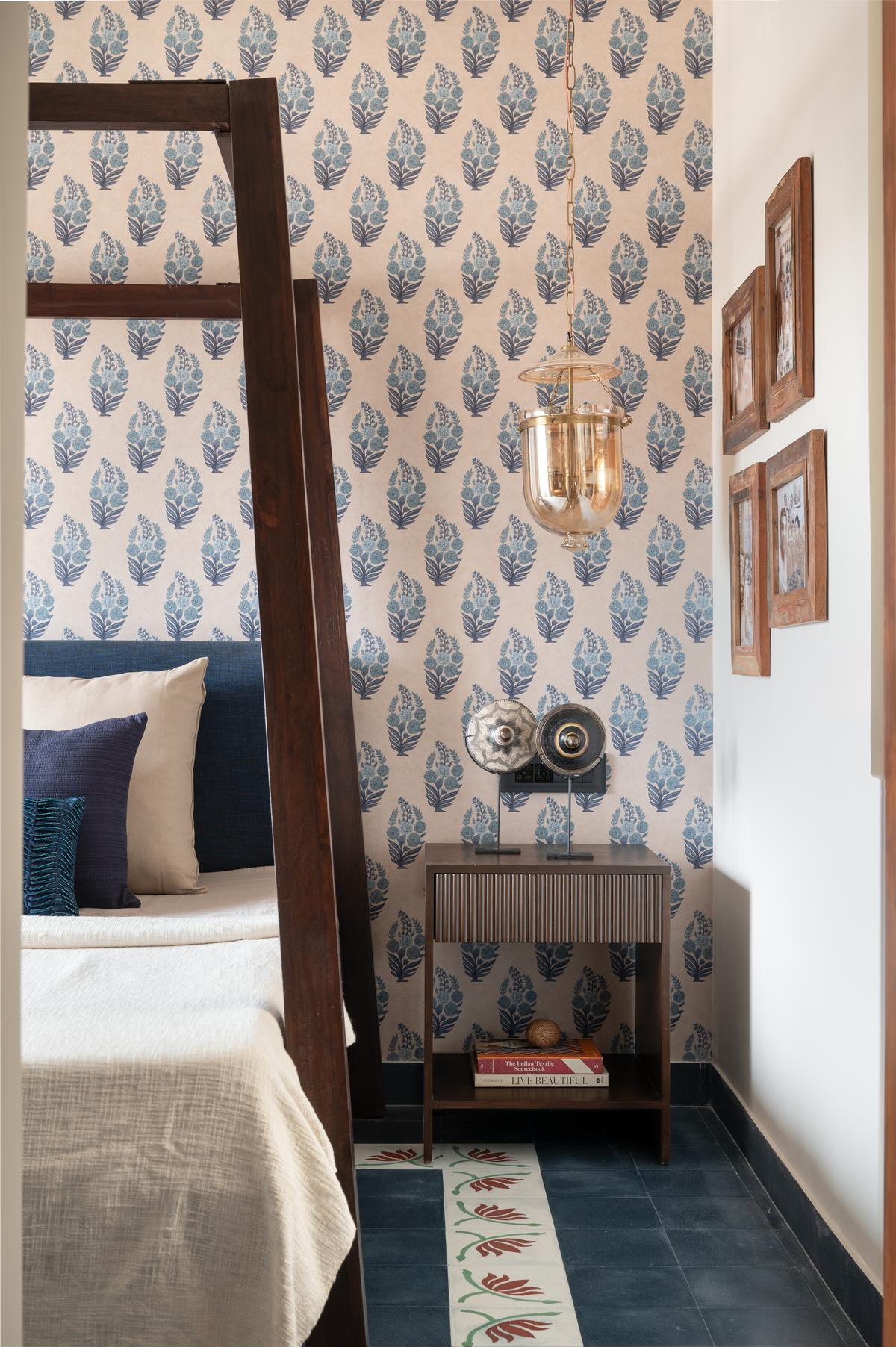
Bedroom featuring a four-poster bed set against a striking Sabyasachi wallpaper, with handcrafted floral inlay flooring that adds an elegant layer of detail to the space.
| Photo Credit:
NAYAN SONI
Studio MG, Bengaluru
The flooring in this 1,200-square-foot Bengaluru apartment was conceived as a key design element to complement the home’s rustic Indian aesthetic. Given the compact size of the apartment, the flooring needed to create a sense of continuity while also introducing character and detail. The approach was to keep the palette earthy and grounded, using flooring as a backdrop to enhance warmth while reflecting traditional Indian influences.

Manisha Gandhi
“The floors of the living and dining areas were finished in distressed blue pigmented micro cement, which was chosen for its seamless quality and raw texture. This created a contemporary yet earthy base that amplifies the rustic mood of the home. The lack of joints lends a feeling of openness, making the space feel larger and more fluid. A striking element in the design is the use of large-format cement tiles edged with a traditional Indian lotus border tile, which brings a handcrafted, artisanal touch and adds a layer of ornamentation that feels both nostalgic and fresh,” says Manisha Gandhi of Studio MG. In bedrooms and smaller spaces, the flooring transitions subtly, ensuring a cohesive flow while maintaining the rustic vocabulary of the design.
Dos
Choose flooring based on room function — what works in a living room will not necessarily suit a bathroom
Seal natural materials like stone, marble, and terrazzo to prevent stains and water absorption
Consider anti-skid finishes for bathrooms, kitchens, and outdoor decks
Follow the manufacturer’s cleaning guidelines to extend the life of your flooring
Consider flooring as a long-term investment, balance initial costs with durability, upkeep, and resale value
Don’ts
Don’t compromise on quality in high-traffic or moisture-prone areas
Don’t overlook installation: even the best material fails if laid poorly, invest in skilled workmanship
Don’t ignore climate: in humid/tropical regions, solid wood can warp; engineered wood or tiles with a wood finish are better alternatives
Don’t overlook acoustics: Hard flooring everywhere can cause echo; balance it with rugs or textured finishes.
The Bengaluru-based freelance writer is passionate about all things design, travel, food, art and culture.